




What is a Ginger Compress?
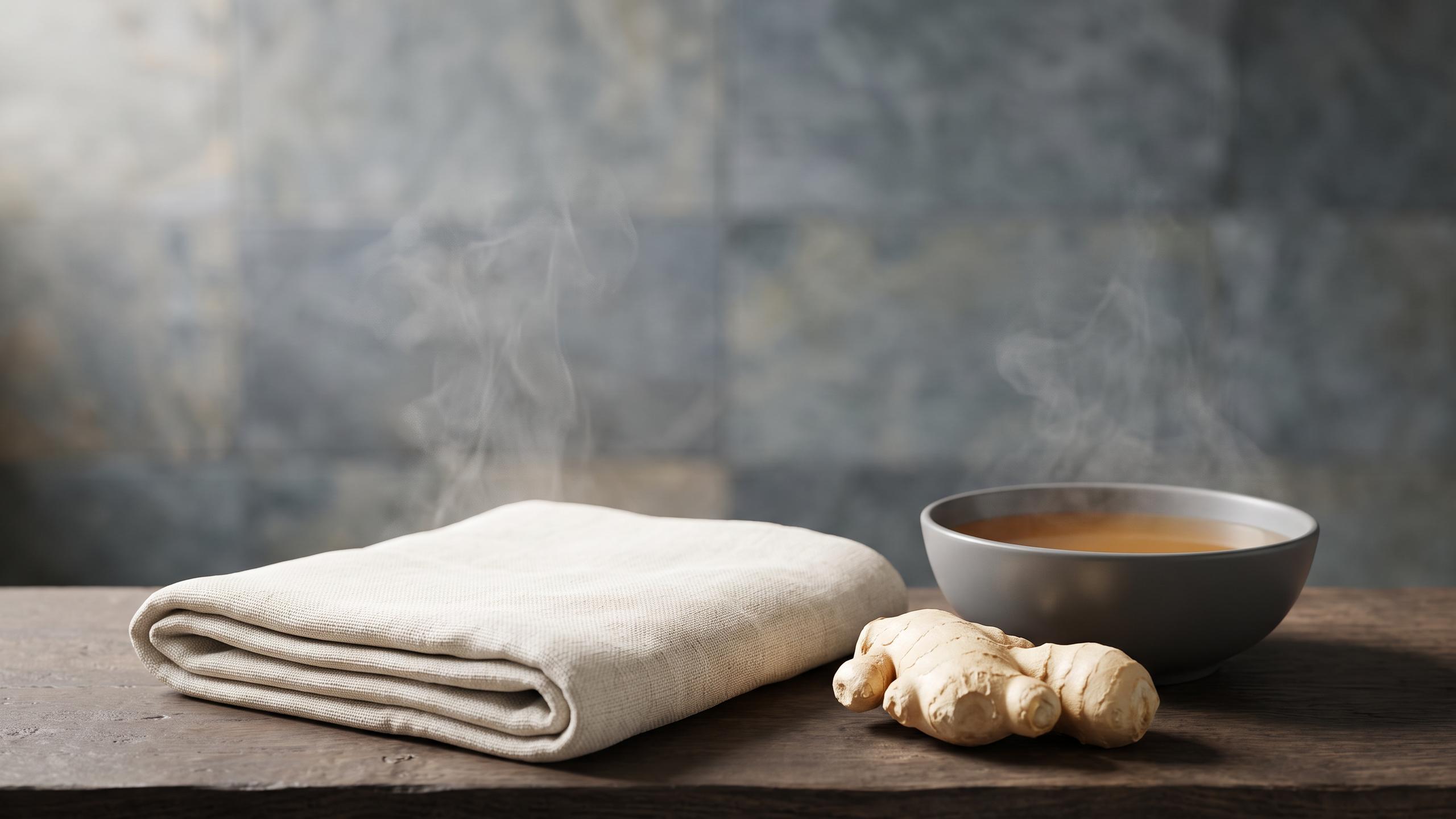
A ginger compress is a form of heat therapy that involves applying a hot towel, soaked in ginger-infused water, to a specific part of the body. Its use is rooted in traditional wellness practices, including Traditional Chinese Medicine and macrobiotics,
where it is believed to stimulate circulation, dissolve tension, and encourage the flow of energy. The core idea combines the simple, comforting power of heat with the purported therapeutic properties of ginger. The heat helps to widen blood vessels, increasing blood flow to the area, while the active compounds in ginger are thought to provide additional benefits. It’s a technique used for centuries to address ailments like muscle stiffness, joint pain, and menstrual cramps.
The Science vs. The Tradition
Traditionally, ginger compresses are used for a wide range of issues, from backaches and arthritis to bronchitis. The belief is that the compress can relieve pain, reduce inflammation, and break up stagnation in the body. From a scientific perspective, the evidence for the specific benefits of a topical ginger compress is limited, with most research focusing on ingested ginger. However, we do know that ginger itself contains powerful anti-inflammatory compounds like gingerols and shogaols. Studies on oral ginger have shown it can be effective for osteoarthritis pain and menstrual pain. When applied topically, it's plausible that these compounds, along with the heat, provide localized relief. The heat itself is a well-known method for soothing sore muscles by increasing circulation and interrupting pain signals. So, while it may not be a proven medical treatment, the combination of heat and ginger’s properties offers a logical basis for its soothing effects.
How to Make a Ginger Compress
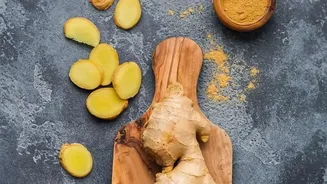
Making a ginger compress is simple. You will need a large pot with a lid, about two litres of water, a large knob of fresh ginger root, a grater, a small cotton bag or cheesecloth, and two small towels plus one larger towel. Do not use ginger powder; fresh root is essential. 1. Bring the water to a boil in the pot, then reduce the heat to a low simmer. 2. Grate a handful of fresh ginger (roughly a golf-ball sized amount) and place it inside the cheesecloth, tying it securely to create a small bag. 3. Submerge the ginger bag into the hot water, cover the pot, and let it steep for about 5-10 minutes. 4. Turn off the heat. Your ginger-infused water is now ready.
Applying the Compress Safely and Effectively
Proper application is key to getting the benefits without risking burns. 1. Dip the middle of one of the smaller towels into the hot ginger water, keeping the ends dry. 2. Carefully wring out the excess water back into the pot. The towel will be very hot, so you may want to wear rubber gloves. 3. Test the temperature on your forearm before applying it to the target area. It should be hot, but not scalding. 4. Place the hot towel on the affected area, such as sore shoulders, lower back, or abdomen for cramps. 5. Cover the wet towel with a dry towel to insulate it and trap the heat. 6. When the towel begins to cool (usually after 3-5 minutes), swap it with the second towel, which has been soaking in the pot. 7. Continue this rotation for 15-20 minutes, allowing the area to become warm and red from the increased circulation.
Realistic Expectations and When to Be Cautious
A ginger compress is a tool for comfort, not a cure. It can be wonderfully effective for soothing general muscle soreness, easing menstrual cramps, and relieving stiffness. Think of it as an elevated heating pad. However, it will not fix a serious injury or cure a chronic disease. Studies on topical ginger for osteoarthritis show potential, but it's considered a complementary therapy to manage symptoms. There are also times to avoid using a ginger compress. Never apply it to the head, face, or over an open wound. Avoid using it on babies or infants. People with bleeding disorders or those on blood-thinning medications like warfarin should exercise caution, as ginger can have anti-platelet effects. It’s also advised to avoid applying compresses directly over the spine, especially near sites of previous injections.