




A Monsoon Tradition for Digestion
During the monsoon season, our digestive system can often feel sluggish. Traditional wisdom, backed by Ayurveda, suggests that this is a time when our 'agni' or digestive fire is weaker. This is where fermented foods come in. For generations, Indian households
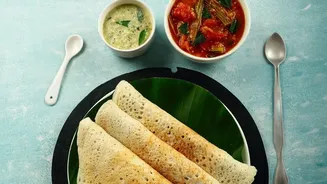
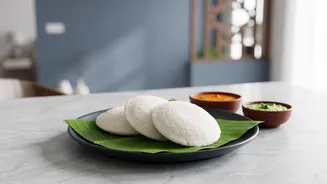
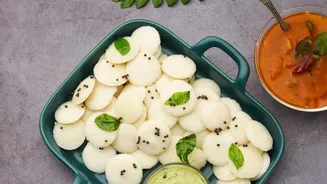
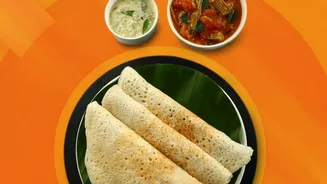
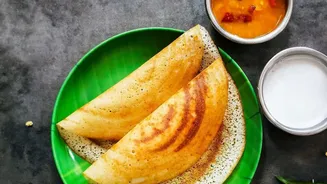
have turned to staples like dahi, idli, and dosa, especially during the rains. The fermentation process essentially 'pre-digests' the food, making it lighter and easier on the stomach. These foods can help support gut health and strengthen the body's natural defences when immunity might take a dip. So, that comforting bowl of curd rice or a plate of fluffy idlis isn't just tasty—it's part of a long-standing practice of eating right for the season.
The Real Benefits of Probiotics
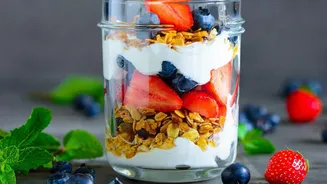
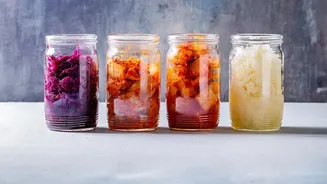
The magic behind most fermented foods lies in probiotics—the beneficial live bacteria that are good for your gut. When you eat foods like homemade dahi, buttermilk (chaas), or kanji, you are introducing these friendly microbes into your digestive system. Scientific evidence supports that a healthy gut microbiome is crucial for more than just digestion; it influences everything from nutrient absorption to your immune system. Probiotics help maintain a healthy balance of bacteria, which can aid in easing digestive discomfort and supporting overall wellness. Fermentation also increases the bioavailability of certain nutrients, like B vitamins, and breaks down anti-nutrients found in grains and lentils, allowing your body to absorb more minerals like iron and calcium.
Myth: A Miracle Cure in a Bowl
While the benefits are real, it's important to approach fermented foods with a dose of reality. They are not a miracle cure for all ailments. The internet is full of bold claims, but science does not support the idea that eating dahi or pickles can cure major diseases. Probiotics support your health; they don't replace medicine. Furthermore, the benefits of probiotics are often strain-specific, and results can vary greatly from person to person. Some regulatory bodies have pushed back against overstated health claims on probiotic products for not being sufficiently backed by science. Think of fermented foods as a supportive player in a balanced diet, not a solo superstar that can solve all your health problems.
Variety Is the True Monsoon Spice
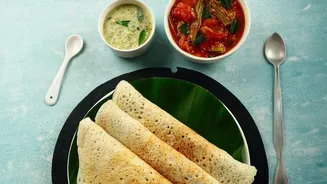
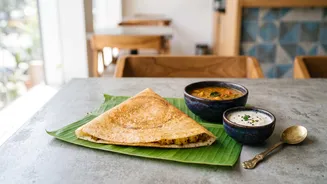
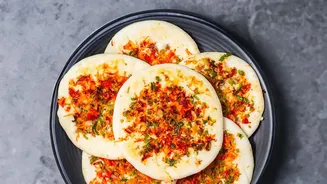
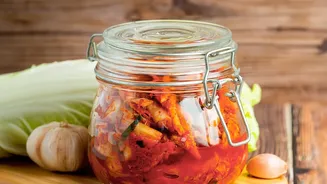
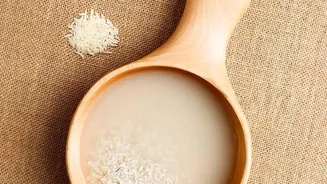
Perhaps the greatest, undisputed benefit of fermented foods is the incredible variety and flavour they bring to your plate. Indian cuisine offers a vast and delicious array of options that go far beyond just curd. Think of the soft, spongy dhokla from Gujarat, made from fermented gram flour, or the tangy kanji, a North Indian drink made from black carrots. South India gives us the beloved idli and dosa, made from a fermented batter of rice and lentils. And let's not forget traditional homemade pickles (achaar), which, when made without excess oil and salt, can be a source of probiotics that aid digestion. Even leftover rice can be fermented overnight to create Pazhaya Sadam or Pakhala Bhaat, a traditional dish that's both cooling and gut-friendly.
Making Fermented Foods a Monsoon Habit
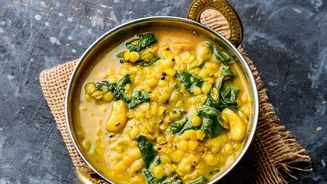
Incorporating these foods into your monsoon diet is simple. Start your day with a couple of idlis, have a small bowl of fresh, room-temperature curd with your lunch, or enjoy a glass of spiced buttermilk in the afternoon to beat digestive sluggishness. A small serving of homemade pickle can liven up a simple dal-rice meal. However, hygiene is critical, especially during the monsoon when humidity can encourage the growth of harmful bacteria. Always opt for freshly prepared foods. For batters like idli or dosa, ensure they are fermented correctly and not left out for too long. If you are new to some of these foods, start with small servings to see how your body adapts.