




What Exactly Are Naphthalene Balls?
Naphthalene balls are not simply air fresheners; they are solid pesticides. Composed of naphthalene, a chemical derived from coal tar or crude oil, their purpose is to repel or kill insects like moths and silverfish that damage fabrics. The balls work
through a process called sublimation, where the solid chemical turns directly into a gas. This vapour is toxic to pests, which is why the balls shrink and disappear over time. It is this very gas, however, that also poses risks to human health. The International Agency for Research on Cancer (IARC) classifies naphthalene as a possible human carcinogen.
The Hidden Health Dangers
When naphthalene fumes are inhaled, they can cause a range of symptoms, even at low levels. These include headaches, nausea, dizziness, and irritation to the eyes and throat. For many, these mild symptoms might be dismissed or attributed to other causes. However, the real danger lies in prolonged exposure or accidental ingestion. Naphthalene can cause a serious condition called haemolytic anaemia, where the body’s red blood cells are destroyed faster than they can be replaced. This leads to fatigue, jaundice, and in severe cases, kidney or liver damage. Accidental ingestion is a medical emergency and can lead to vomiting, abdominal pain, seizures, and even coma.
A Special Risk for Children and G6PD Patients
Children and infants are particularly vulnerable to naphthalene poisoning. Their higher respiratory rates and tendency to play on floors where heavy vapours can settle increases their exposure. Furthermore, their developing bodies are more susceptible to chemical harm. A significant concern in India is for individuals with Glucose-6-Phosphate Dehydrogenase (G6PD) deficiency, a common genetic condition. People with G6PD deficiency have a low tolerance for oxidative stress, and even small amounts of naphthalene can trigger severe haemolytic anaemia. Storing baby clothes with naphthalene balls is especially risky, as it can expose newborns to the chemical, potentially leading to severe jaundice and even brain damage.
Why Cupboards and Bathrooms Are Risky Zones
The effectiveness of naphthalene balls depends on the concentration of their fumes in an enclosed space. This is precisely why poorly ventilated cupboards and bathrooms become high-risk areas. In these tight spaces, the toxic vapours build up to levels that can be harmful to people, not just pests. Every time you open the cupboard door, you release a concentrated cloud of these vapours, which you then inhale. The chemical also settles into the fibres of your clothes, meaning you continue to be exposed throughout the day as you wear them. Using them as bathroom deodorisers is also a misuse, as it releases the pesticide fumes into a living area.
Safe Handling: The Do's and Don'ts
If you choose to use naphthalene balls, it is crucial to do so with extreme caution. The primary rule is to use them only in completely airtight containers, such as sealed trunks or zip-lock garment bags, where the fumes cannot escape into your living space. Never place them loose in open wardrobes, drawers, or bathrooms. Always keep them well out of reach of children and pets, who might mistake the white balls for candy. Before wearing any clothes stored with naphthalene balls, they should be aired out thoroughly outdoors and then washed to remove any lingering chemical residue.
Safer, Natural Alternatives for a Fresh Home
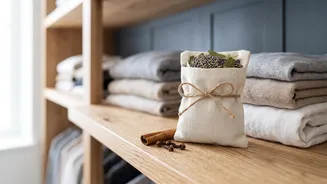
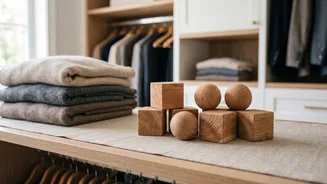
Fortunately, there are many effective and non-toxic alternatives to keep pests away. Cedar wood blocks or chips are a fantastic option; their natural oils repel moths and can be refreshed by lightly sanding the wood. Sachets filled with dried herbs like lavender, rosemary, cloves, or mint not only deter insects but also leave your clothes with a pleasant, natural fragrance. Dried neem leaves, a traditional Indian remedy, are also a powerful insect repellent. For controlling moisture, which attracts pests, consider using silica gel packets. These alternatives protect your garments without compromising the health of your family.