



The Heart of the Pandal Feast
Durga Puja is as much a feast for the soul as it is for the senses, and at the core of this culinary celebration is the 'bhog'. This is not just any meal; it is a sacred offering, or prasad, first presented to Goddess Durga before being distributed to all
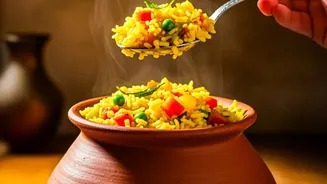
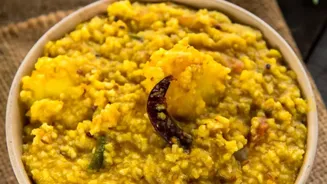
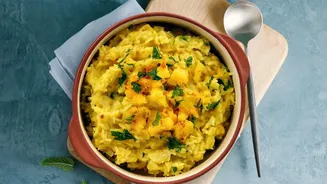
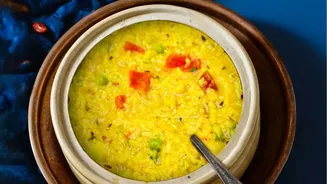
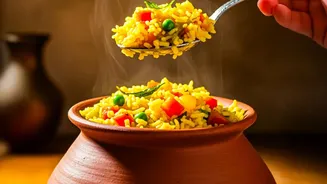
devotees. The act of serving and eating bhog together is a powerful community exercise, dissolving social barriers and uniting everyone in a shared, blessed experience. It transforms a simple meal into an act of devotion and togetherness. Khichuri, a humble dish of rice and lentils, stands as the undisputed centrepiece of this communal feast, served to thousands from pandal to pandal. Its presence is so integral that for many, the puja feels incomplete without that first warm, comforting spoonful.
A Symbol of Purity and Devotion
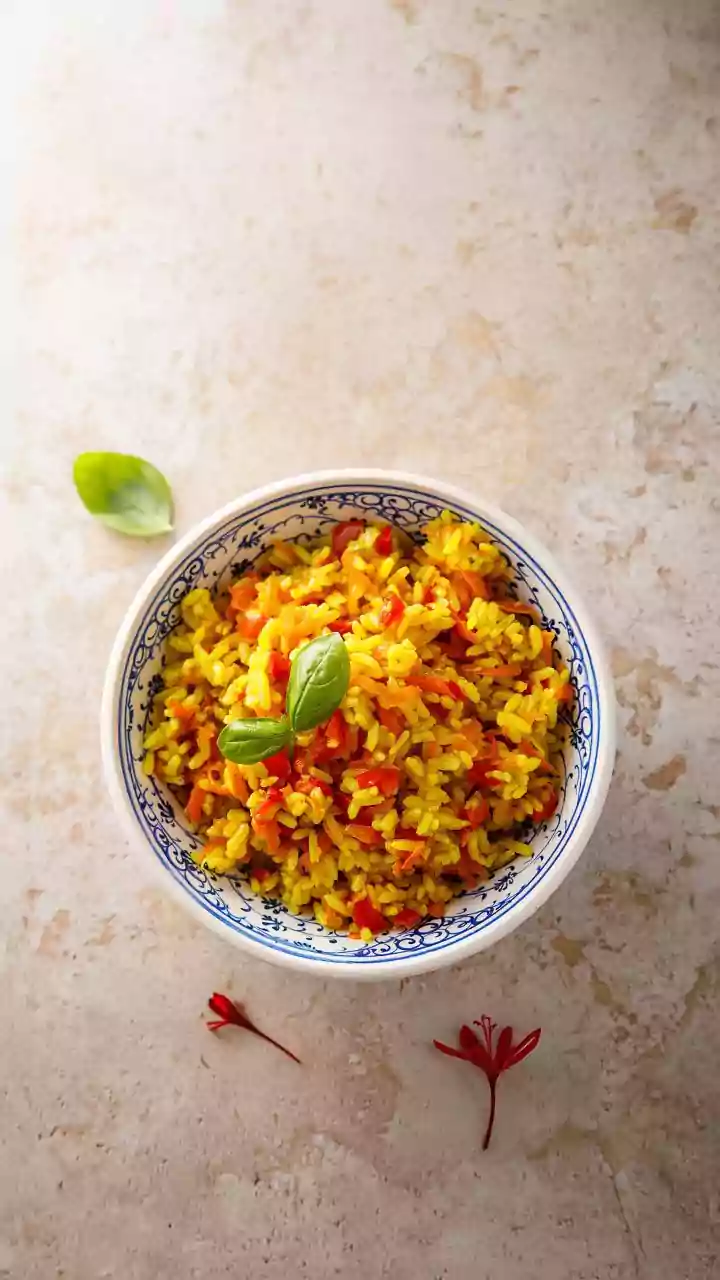
The khichuri served as bhog is distinct from its everyday counterpart. Known as 'niramish khichuri', it is strictly vegetarian and sattvic, prepared without onions or garlic, which are considered rajasic or tamasic in nature and thus unsuitable for a sacred offering. This version is typically made with aromatic Gobindobhog rice and roasted moong dal, which imparts a unique nutty flavour. The preparation symbolizes purity, simplicity, and nourishment. By offering a food that is wholesome, light, and easy to digest, devotees present a meal that is considered pure enough for the divine. This simple combination of rice and lentils is seen as a representation of gratitude for the harvest and the abundance provided by nature.
More Than Just Rice and Lentils
What elevates bhoger khichuri from a simple dish to a sublime experience is its unique preparation. The moong dal is dry-roasted before cooking, giving the final dish a distinct, fragrant aroma that is a hallmark of the bhog. The mixture is then slow-cooked with vegetables like potatoes, cauliflower, and green peas, along with a medley of whole spices like cinnamon, cloves, cardamom, and bay leaves. The cooking process is often a grand affair in itself, with massive cauldrons simmering over wood or coal fires for hours, infusing the khichuri with a smoky essence that is difficult to replicate at home. A generous drizzle of ghee at the end adds a final layer of richness, making it an unforgettable culinary memory.
The Taste of Togetherness and Nostalgia
For Bengalis and puja attendees everywhere, the flavour of bhoger khichuri is deeply intertwined with cherished memories of childhood, family, and community celebration. It is the taste of standing in a queue with friends, receiving the prasad in an earthen bowl or a sal pata plate, and sharing a meal with hundreds of others. This khichuri acts as a great equalizer; everyone, regardless of background, partakes in the same meal, reinforcing the spirit of unity that Durga Puja champions. This shared experience is why many believe the khichuri served at a pandal tastes divinely different—it’s seasoned not just with spices, but with devotion, community spirit, and collective joy.
The Perfect Accompaniments
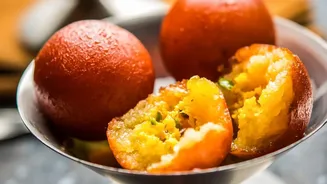
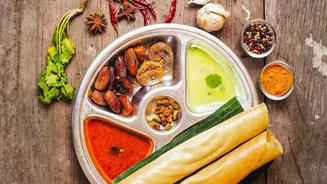
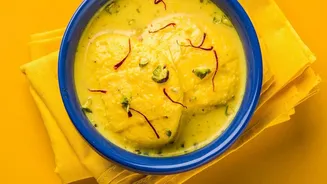
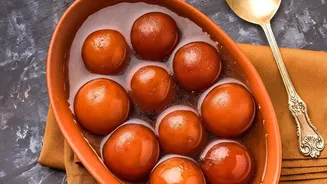
While khichuri is the star, the bhog experience is incomplete without its classic accompaniments that create a perfectly balanced platter. The most common side dish is 'labra', a mixed-vegetable curry where a variety of seasonal vegetables are cooked together with minimal spices. Also popular are 'bhajas' or fritters, especially 'beguni' (batter-fried eggplant slices) and aloo bhaja (fried potatoes). A tangy tomato or plastic chutney acts as a palate cleanser, and the meal is often rounded off with a sweet, such as 'payesh' (rice kheer) or rasgulla. Together, these elements create a meal that is simple in its ingredients but complex and deeply satisfying in flavour.