


A Green Time Capsule
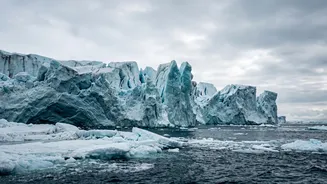
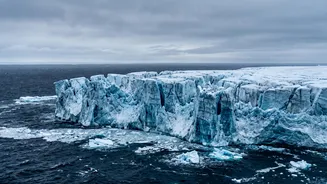
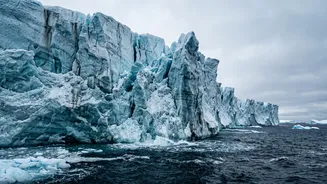
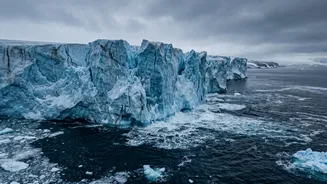
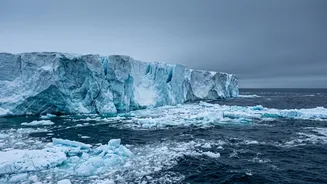
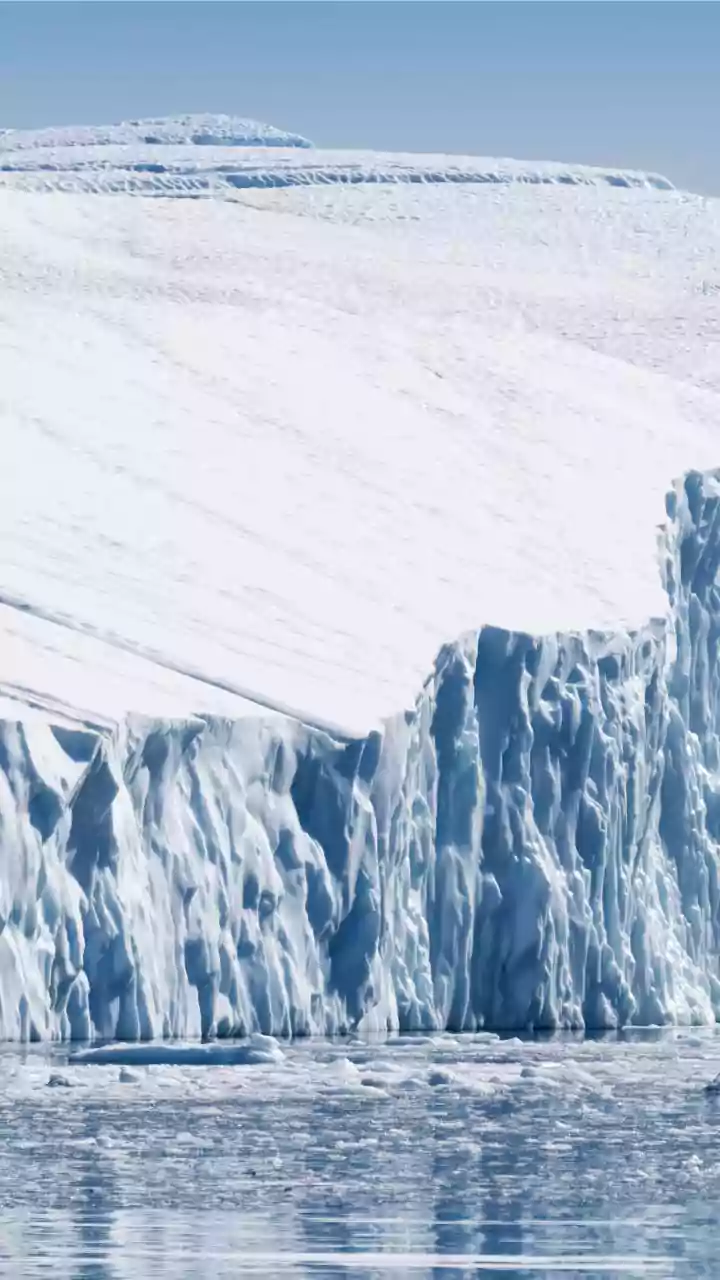
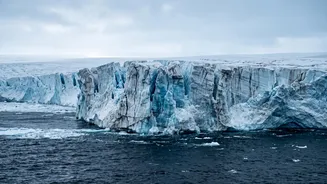
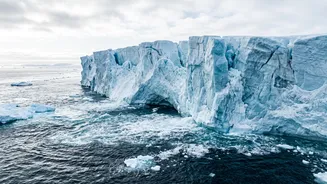
Imagine a plant, frozen in time, holding secrets of Earth's climate from before the rise of modern human civilization. This isn't science fiction. In places like Antarctica and Canada's Baffin Island, as glaciers melt, they are revealing perfectly preserved
mosses that were entombed by advancing ice thousands of years ago. These are not fossils, but the actual plants, some of which are so well-preserved that their cellular structures remain intact. Researchers venturing to the remote, icy edges of our world find these dark, frozen plants peeking out. These humble organisms, some of which can even be revived after centuries in a deep freeze, serve as tiny, organic time capsules. Their very existence offers a direct physical record of the last time their patch of ground was ice-free and saw the sun.
How Dead Moss Tells Time
The key to unlocking these secrets is a technique called radiocarbon dating. All living things, including moss, absorb carbon from the atmosphere. A tiny fraction of this is a radioactive isotope called carbon-14. When a plant dies—or in this case, is buried by a glacier and starved of light—it stops absorbing carbon. The carbon-14 it contains begins to decay at a predictable rate. By measuring the ratio of remaining carbon-14 to stable carbon-12 in the preserved moss, scientists can accurately determine when the plant was 'killed' by the advancing ice. This 'kill date' provides an exceptionally precise timestamp for when a glacier advanced over a specific location. As glaciers retreat today, they expose mosses of different ages, allowing researchers to piece together a detailed timeline of ice movement over hundreds or even thousands of years.
What the Mosses Have Revealed
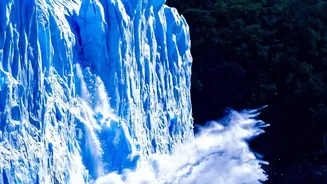
Studies from different polar regions have painted a dramatic picture. On Baffin Island in the Canadian Arctic, some uncovered mosses are at least 40,000 years old, suggesting the region is warmer now than at any point in the last 115,000 years. Research on Signy Island in Antarctica used moss burial dates to show that a major ice advance occurred between 1000 and 1400 CE. This aligns with a known regional cooling period. Crucially, the same study found that the ice cap is now retreating about six times faster than it previously advanced. On Anvers Island, another part of Antarctica, scientists learned that the last time a glacier was at its 2019 position was approximately 850 years ago. These findings provide concrete evidence that the current warming and glacial melt in polar regions are unprecedented in recent millennia, far exceeding the natural cycles of growth and retreat.
Why Ancient Ice History Matters Today
Understanding when and how fast ice sheets grew and shrank in the past is critical for predicting our future. The stability of massive ice sheets in Greenland and Antarctica is directly linked to global sea levels. As this ice melts, it contributes to sea-level rise, threatening coastal communities worldwide, including the densely populated coastlines of India. By feeding the data from these moss 'kill dates' into climate models, scientists can refine their projections for future melting. The research shows that current warming is pushing the Arctic, for example, into a state not seen since before the last ice age. As one researcher noted, this means modern civilization is witnessing a climate regime it has never experienced before. The mosses tell a clear story: the rate of change we are causing today is alarmingly fast compared to the natural rhythms of the planet's past.