



Bengaluru at the Centre of Space Operations
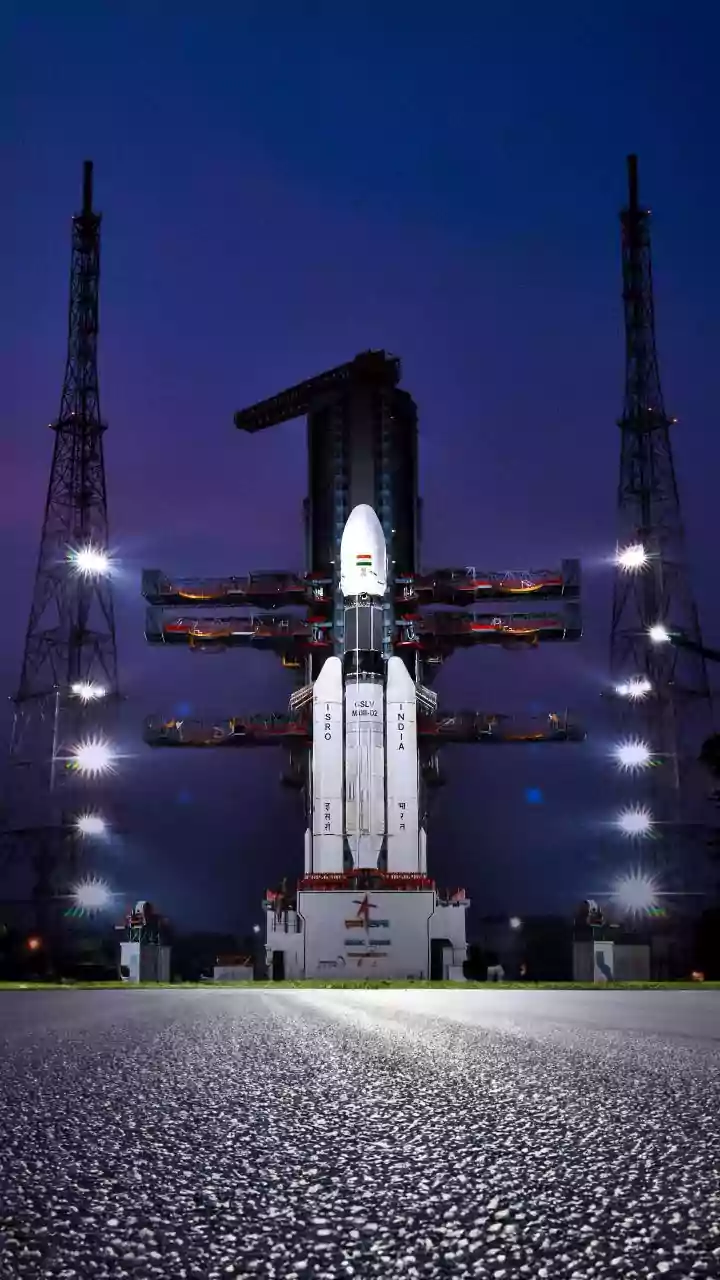
Bengaluru recently hosted the second edition of the International Conference on Spacecraft Mission Operations (SMOPS-2026), an event jointly organised by the Indian Space Research Organisation (ISRO) and other international bodies. The conference brought
together experts from around the globe to discuss the future of managing spacecraft. The theme, “Innovative Operations for Smart and Sustainable Space Mission Management – Next Generation,” highlights the industry's focus on automation, sustainability, and handling the ever-increasing complexity of space missions. The city is a natural hub for such a discussion, being home to ISRO's Telemetry, Tracking and Command Network (ISTRAC), the nerve centre for India's space missions. From here, engineers monitor and control every Indian satellite in orbit, from launch until the end of its mission.
The 24/7 Watch in Orbit
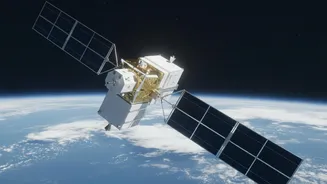
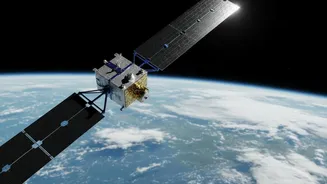
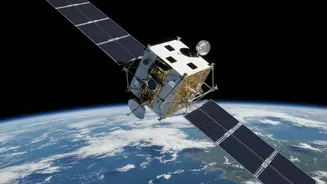
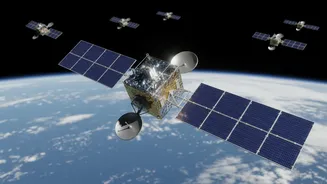
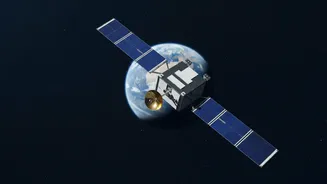
Once a satellite reaches orbit, its real work begins, and so does the work of the mission control team on the ground. Think of it as a constant health check-up. Engineers at centres like ISTRAC monitor a continuous stream of data, or telemetry, from the satellite. This data tells them everything about the satellite's condition: its power levels, temperature, and whether all its systems are functioning correctly. They also send commands to the satellite, telling it where to point its cameras or antennas, when to perform an orbital adjustment, or how to reconfigure its systems. This round-the-clock operation ensures that satellites providing services like navigation, weather forecasting, and communications continue to function flawlessly.
Navigating a Celestial Traffic Jam
One of the most significant challenges discussed at SMOPS-2026 is the growing problem of space debris. The space around Earth is becoming increasingly crowded. With thousands of active satellites and millions of pieces of debris—from old rocket stages to tiny fragments from past collisions—orbit is like a high-speed highway with no traffic lights. A key focus for agencies like ISRO is Space Situational Awareness (SSA), which involves tracking these objects to prevent collisions. ISRO’s System for Safe and Sustainable Space Operations Management (IS4OM) is dedicated to this task, performing collision avoidance manoeuvres to protect our valuable space assets. In 2025 alone, ISRO performed 17 such manoeuvres to keep its satellites safe. India has also announced its “Debris Free Space Missions” (DFSM) initiative, aiming for zero debris creation from all Indian missions by 2030.
The Rise of AI and Automation
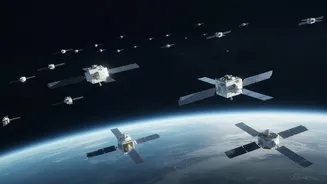
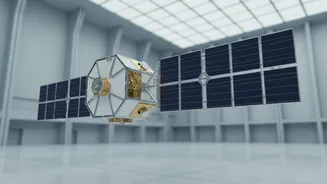
Managing a single satellite is complex enough, but today companies are launching vast constellations of hundreds or even thousands of satellites. This has made manual operation nearly impossible. As a result, Artificial Intelligence (AI) and machine learning are becoming essential tools, a key topic at SMOPS-2026. These technologies can automate routine health checks, predict potential system failures, and even help manage entire constellations more efficiently. ISRO Chairman Dr. V. Narayanan noted that AI has moved from a theoretical concept to a critical necessity for modern space missions. The goal is to create more autonomous systems that can react to problems faster and reduce the burden on human operators, ensuring the smooth operation of services we rely on daily.
Why It Matters on the Ground
The meticulous work of satellite operations has a direct impact on our everyday lives in India. The NavIC constellation, managed by ISTRAC, provides precise positioning services crucial for transportation and logistics. Satellites give us the weather forecasts that warn of approaching cyclones, enable digital connectivity in remote villages through satellite internet, and provide the imagery used for urban planning and monitoring agricultural health. They are a vital part of the national infrastructure. When engineers manoeuvre a satellite to avoid debris or reconfigure a payload, they are ensuring these critical services continue without interruption, safeguarding both lives and livelihoods across the country.