
Understanding 'Scale of the Look'
In the world of floral and fashion design, 'scale' and 'proportion' are guiding principles. Scale refers to how the size of your floral arrangement relates to its setting, while proportion is about the size relationship between the elements themselves—the
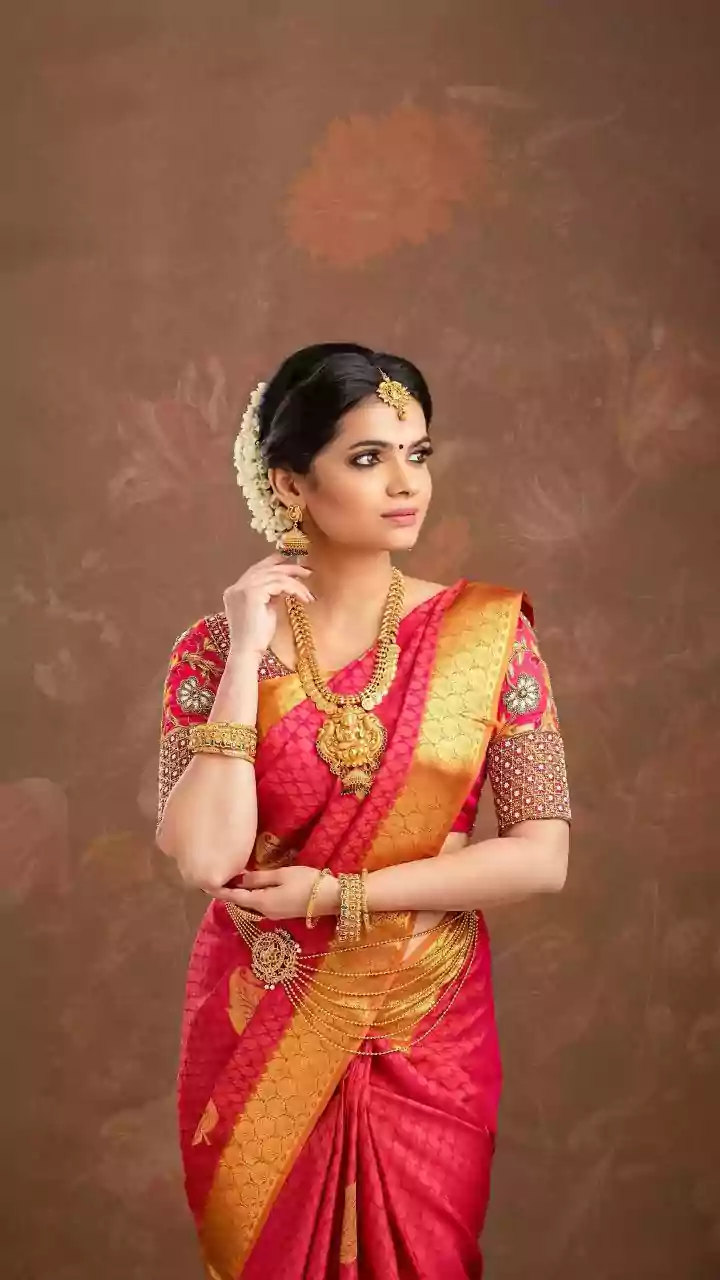
flowers, foliage, and even your hairstyle. When stylists talk about matching the scale of the look, they mean considering the entire picture: your hair's volume and style, the intricacy of your outfit, your own physical frame, and the event's atmosphere. A large, dramatic flower might overwhelm a petite person or a very simple dress, while a tiny bud could get lost in voluminous curls or a grand ballroom setting. The goal is to create harmony, where the flowers complement your look rather than competing with it.
For Subtle and Understated Styles
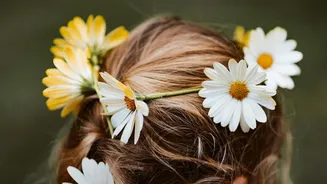
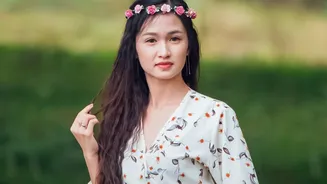
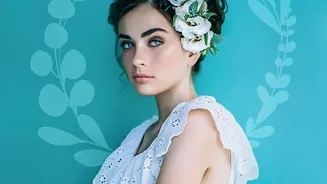
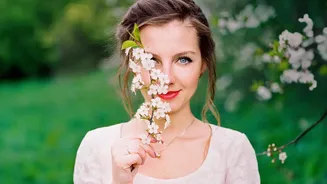
Delicate looks call for delicate florals. If you're wearing a simple slip dress, have fine hair, or are styling a sleek, minimalist updo, small-scale flowers are your best friend. Think about using tiny, airy blooms like baby's breath (gypsophila), waxflower, or small spray roses. These can be tucked individually into braids or pinned around a neat bun to add texture and a hint of romance without adding too much visual weight. For those with shorter hair, a few small, well-placed blossoms pinned behind the ear or into a small twist can make a significant impact. The key is subtlety. These smaller flowers enhance the overall style rather than becoming the sole focal point, creating a look that feels effortless and elegant.
Making a Bold and Dramatic Statement
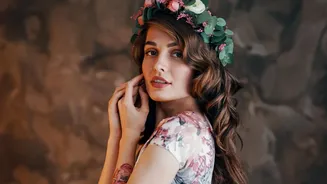
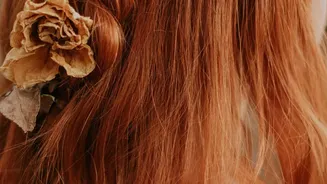
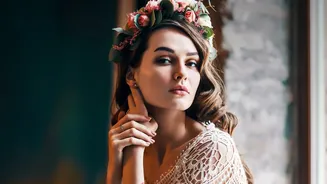
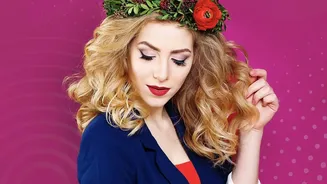
On the other end of the spectrum are bold, statement-making florals. Large, focal flowers like peonies, gardenias, hibiscus, or even certain varieties of dahlia and rose can create a stunning, high-fashion effect when scaled correctly. These work best when the rest of the look can support their drama. Consider a single, show-stopping bloom tucked behind the ear to complement a voluminous gown or a vibrant, tropical-themed outfit. Full flower crowns, a festival and bridal favorite, are another example of large-scale floral styling. They balance best with long, flowing hair or bohemian-style dresses that have a grander feel. The rule of thumb here is that if the flower is big, let it be the hero piece and keep other accessories to a minimum.
Let the Hairstyle Be Your Guide
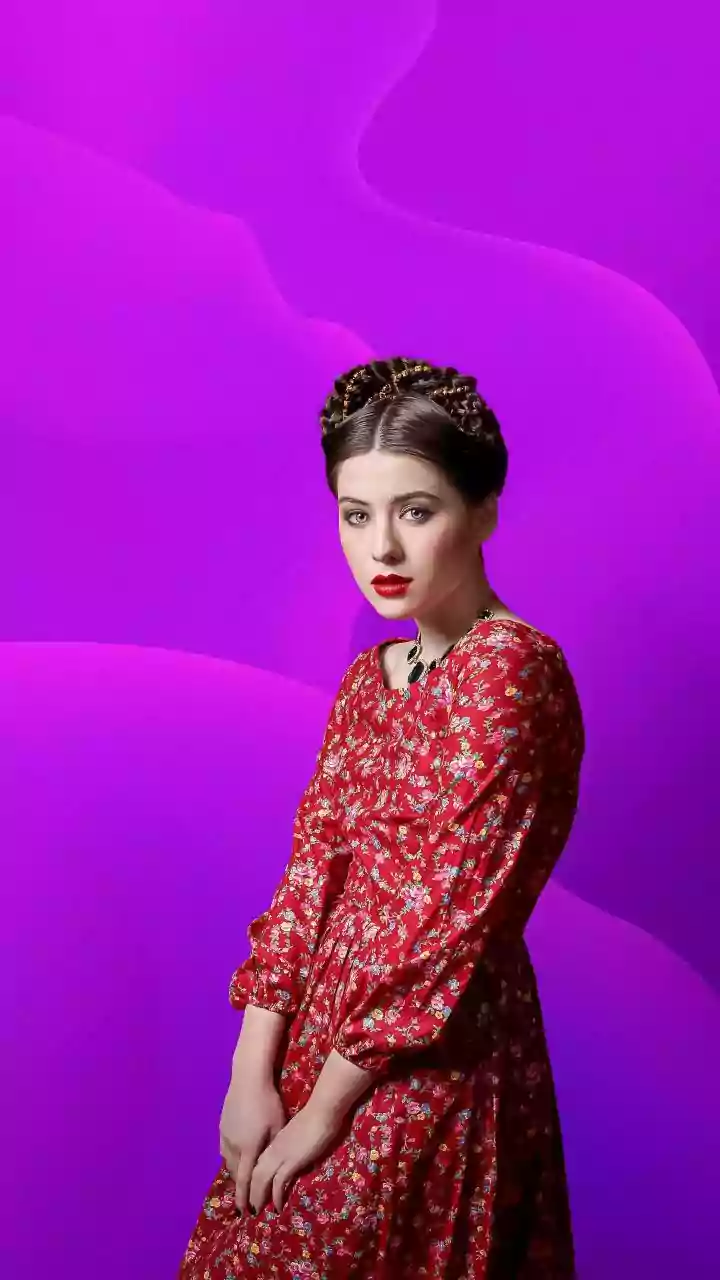
The structure of your hairstyle plays a huge role in determining the right floral scale. An intricate updo with lots of twists and braids might benefit from smaller flowers dotted throughout to highlight the detailed work. In contrast, a simple, loose ponytail or a classic chignon can handle a medium-to-large flower or a cluster of blooms at its base for a sophisticated touch. For half-up, half-down styles, you have versatility. You can use smaller blooms where the hair is gathered to showcase the detail, or opt for larger flowers to make them the focal point of the style. Celebrity stylists often use floral placement to enhance the hairstyle itself, such as adding a cascade of flowers down a long braid or framing a messy bun with fresh roses.
Expert Tips for a Flawless Finish
To ensure your floral hairstyle looks its best and lasts, a few professional tricks go a long way. Choose sturdy flowers that won't wilt easily, such as orchids, spray roses, or chrysanthemums. It's often recommended to talk to a florist about which blooms will hold up best throughout an event. For fresh flowers, keep them refrigerated in water for as long as possible before styling to ensure they look crisp. When it's time to place them, remember that flowers should be the very last thing you add to your look. Hair products like hairspray contain alcohol that can damage delicate petals and cause them to wilt. Secure each flower with bobby pins, ideally crossing two pins in an 'X' shape for extra hold. This ensures your beautiful, perfectly scaled blooms stay in place all day or night.