



The Allure of 'Natural' Sun Protection
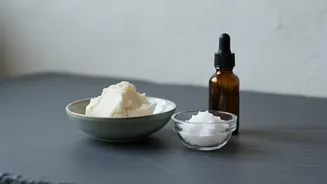
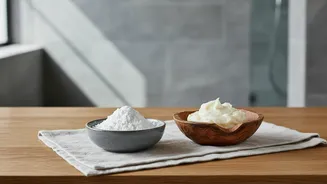
In an era of clean living, the idea of making your own sunscreen is undeniably tempting. Social media is filled with recipes promising sun protection using simple ingredients like coconut oil, shea butter, and zinc oxide powder. The motivation is often
a desire to control what goes on your skin, avoid synthetic chemicals, or save money. These recipes give a false sense of security, suggesting that a handful of kitchen-friendly ingredients can replicate a product that is, by law, treated as an over-the-counter drug. However, dermatologists and health organizations are issuing clear warnings: this is one DIY project that can have serious health consequences.
Why Simply Adding Zinc Oxide Isn’t Enough
Many recipes hinge on adding zinc oxide or titanium dioxide powder to a lotion or oil, as these are effective UV-blocking minerals used in commercial sunscreens. The problem is that creating a safe and effective sunscreen is a complex science. The effectiveness depends on the particle size of the minerals and, crucially, their even and stable distribution throughout the product. At home, it is impossible to achieve the homogenous mixture required for uniform protection. Zinc oxide particles tend to clump together, creating invisible gaps in coverage. One part of your skin might be covered, while another is left completely exposed to harmful UV radiation, dramatically increasing your risk of sunburn and, over time, skin cancer.
The Science of SPF: A Test You Can’t Do at Home
The Sun Protection Factor (SPF) number on a bottle is not a simple calculation; it is the result of rigorous, expensive, and highly standardized testing. In the United States, the Food and Drug Administration (FDA) regulates sunscreens as drugs and mandates this testing. The primary method is an "in vivo" test, which involves applying a precise amount of sunscreen (2mg per square centimetre) to the skin of human volunteers. Scientists then expose the protected skin and a patch of unprotected skin to a controlled dose of UV light from a special lamp. The SPF is calculated by comparing how long it takes for the protected skin to show minimal redness (sunburn) versus the unprotected skin. There are no shortcuts or at-home calculations that can reliably determine a product's SPF.
Broad-Spectrum and Water Resistance: More Untested Claims
Effective sun protection is about more than just preventing sunburn, which is primarily caused by UVB rays. UVA rays, which penetrate deeper, contribute to premature aging and skin cancer. Commercially sold sunscreens labelled "broad-spectrum" have undergone separate testing to prove they offer significant protection against both UVA and UVB rays. Furthermore, claims of water resistance must also be verified through specific FDA-mandated tests, where participants are immersed in water for either 40 or 80 minutes during the SPF testing process. Homemade concoctions offer no guarantee of broad-spectrum coverage or any level of water resistance, leaving you vulnerable even if you reapply frequently.
The Expert Consensus Is Clear
The medical and scientific communities are united on this issue. The American Academy of Dermatology, the Skin Cancer Foundation, and numerous dermatologists explicitly advise against using homemade sunscreen. They emphasize that the risks—which include inconsistent protection, product instability, and potential for bacterial or mold growth—far outweigh any perceived benefits. Research into recipes shared online has found that they provide insufficient UV protection, despite claims to the contrary. Experts stress that while commercial sunscreens undergo rigorous testing to ensure they are safe and deliver the SPF promised on the label, DIY products have no such assurances. Applying oils like coconut or lavender oil, sometimes promoted as natural sunscreens, offers almost no protection and can even intensify sun damage.