




The Real Cost of Convenience
The allure of food delivery apps is undeniable. With a few taps, a hot snack arrives at your door. But this convenience comes at a steep price, and it’s not just the cost of the food. Delivery fees, surge pricing during peak hours, restaurant handling
charges, and taxes can dramatically inflate the final bill. That 50-rupee snack can easily become a 150-rupee indulgence. This habit of frequent, small orders creates a significant drain on your finances over time. Studies show that impulse buying is strongly influenced by convenience and positive emotions triggered by attractive app visuals and offers. Apps are designed to make ordering feel effortless and rewarding, tapping into our brain's desire for instant gratification. Resisting this requires a proactive strategy, not just willpower.
The Solution: Your Personal Snack Station
Enter the planned snack drawer. It’s a simple yet powerful concept: a designated, well-stocked spot in your home or office for grab-and-go snacks. This isn't about restriction; it's about preparation. By having appealing options within arm's reach, you create a powerful counter-offer to the delivery app. You eliminate the decision fatigue of figuring out what to eat and the waiting time for delivery, satisfying your craving instantly. The financial benefit comes from buying items in bulk, which significantly lowers the cost per unit compared to single-serving, marked-up prices on delivery platforms. Taking a few minutes each week to portion out snacks from larger packages saves money and gives you control over what you consume.
How to Build Your Snack Drawer
Creating your snack station is easy. First, choose a location. It could be a drawer in your kitchen, a shelf in your pantry, or a box in your office desk. The key is accessibility. Next, invest in some simple containers. Clear, airtight containers or small, reusable bags are great for keeping snacks fresh and visible. You don’t need a perfectly Instagrammable setup; functionality is the goal. Create zones for different types of snacks—salty, sweet, high-protein—to make finding what you want effortless. Labeling bins can help everyone in the household know where things go, making the system easier to maintain.
Stocking It Right for Indian Palates
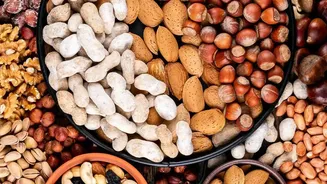
A great snack drawer has variety. Aim for a mix of textures and flavours that cater to different cravings. For an Indian context, this can be a delicious blend of traditional and modern options. For a savoury, crunchy fix, stock up on roasted makhana (fox nuts), bhuna chana (roasted chickpeas), khakhra, or ragi murukku. Nuts like almonds and walnuts, and seeds like pumpkin and sunflower, provide lasting energy. For a touch of sweetness, consider dates, dried figs, or homemade energy laddoos made with oats and jaggery. Wholewheat crackers, protein bars, and even portioned-out packets of your favourite biscuits can satisfy a comfort-food craving. The trick is to have a balanced mix of 'always' foods (healthy staples) and occasional treats.
Making the Habit Stick
The key to a successful snack drawer is maintenance. Make restocking a part of your weekly routine, perhaps after you do your grocery shopping. Involving the whole family can make it a shared and easier task. Think of it as a small act of self-care that sets you up for a less stressful, more affordable week. The goal isn't perfection. There will still be days you crave something specific and decide to order in. But by being prepared, you shift the balance. You're no longer a passive consumer at the mercy of a craving; you are an active participant in your choices, armed with delicious, readily available alternatives that are kinder to your wallet.