






A Universe of New Opportunities
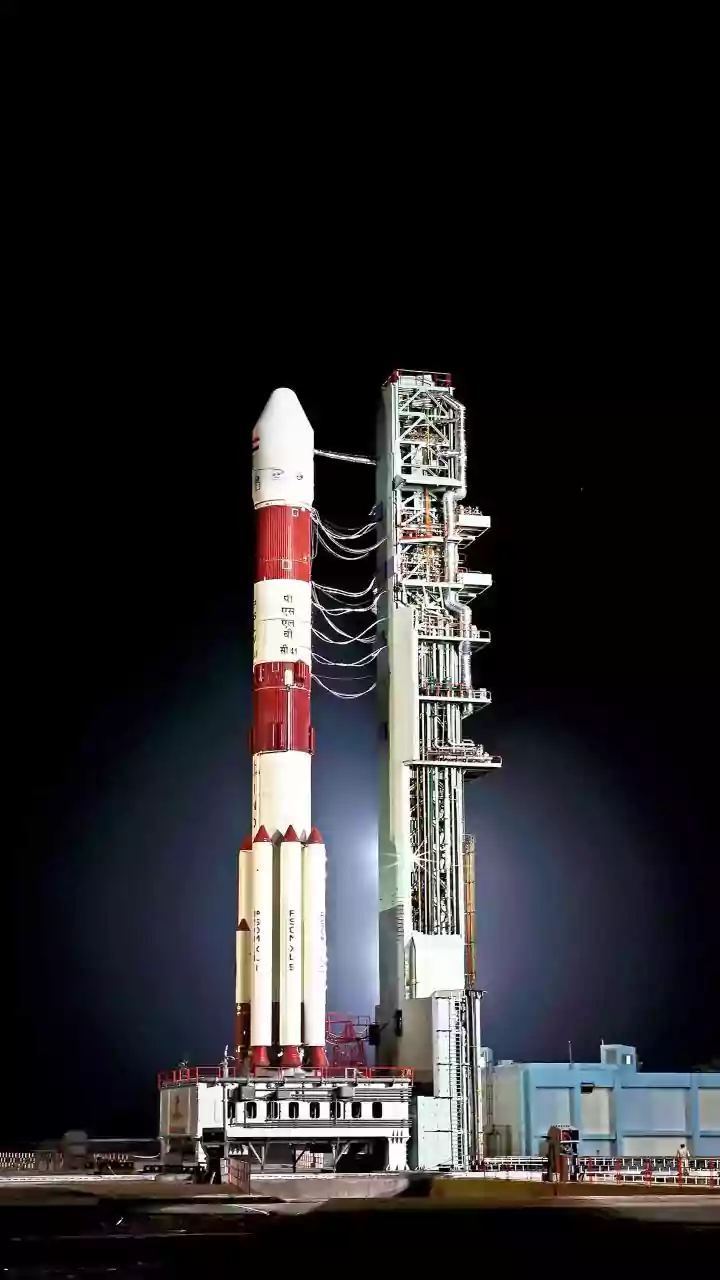
India's space programme, long the proud domain of the Indian Space Research Organisation (ISRO), is rapidly commercialising. The landmark Indian Space Policy 2023, coupled with the establishment of the regulatory body IN-SPACe, has thrown open the doors
to private enterprise. This policy shift has ignited a startup boom, with over 400 private space companies now registered, up from just a handful a decade ago. This burgeoning private ecosystem, spanning satellite manufacturing, launch services, and data applications, is projected to quintuple the Indian space economy from around $8 billion today to $44 billion by 2033. Such explosive growth is creating tens of thousands of new, high-skilled jobs, and they are not just for engineers.
The Lawyers of Outer Space
As the space frontier becomes crowded with commercial players, a new and critical field is emerging: space law. With hundreds of private satellites being launched, questions of liability, insurance, and international treaty compliance are paramount. Space lawyers are needed to navigate the complex regulatory landscape, draft launch service agreements, and protect intellectual property for new technologies. They also play a crucial role in advising startups on everything from securing foreign investment to mitigating risks associated with space debris. Law firms are now actively building space law practices to service this growing market, creating opportunities for legal professionals to help shape the rules of this final frontier.
Analysts and Strategists Take Center Stage
A rocket launch is a feat of engineering, but a successful space company is a feat of business strategy. The new space economy is hungry for financial analysts, market researchers, and policy specialists. These professionals are essential for helping startups write business plans, secure venture capital, and identify profitable niches in the global market. Companies like Pixxel, which specialises in hyperspectral imaging, and SatSure, which provides climate analytics, rely on business experts to turn satellite data into commercially viable products for sectors like agriculture, insurance, and urban planning. As private investment and even 100% FDI in certain segments fuels the industry, the demand for sharp financial and strategic minds will only intensify.
The Ground Crew: Operators and Data Experts
For every satellite in orbit, there is a team on the ground making it work. The commercialisation of space means a huge demand for space systems operators, mission control specialists, and ground station managers who can handle the day-to-day operations of private satellite constellations. Furthermore, the vast amounts of data beamed back from Earth observation and communication satellites are useless without skilled data analysts to process, interpret, and transform them into actionable insights. These roles in the 'ground segment' are the backbone of the services economy, turning space assets into tangible value for clients on Earth.
Engineers Still Reign Supreme
Of course, the need for brilliant engineers has not diminished; it has diversified. While ISRO continues to recruit top talent for its ambitious missions, private companies like Skyroot Aerospace and Agnikul Cosmos are aggressively hiring aerospace, mechanical, and software engineers to design and build their own launch vehicles and satellites. The focus is on innovation—creating reusable rockets, 3D-printed engines, and miniaturised satellites that can reduce costs and increase launch frequency. This private-sector push complements ISRO's role, creating a dynamic ecosystem where engineering talent has more avenues to contribute than ever before.