







Meet Your Unwanted Pantry Guests
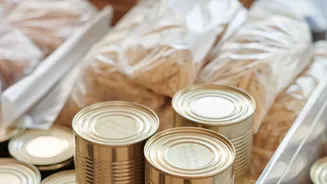
Before you can win the battle, you need to know your enemy. The most common culprits found in Indian kitchens are Indian meal moths, flour beetles, and rice weevils. These pests don't just magically appear; they often hitch a ride into your home inside
contaminated grocery items. Adult moths and beetles lay microscopic eggs in grains and flour at warehouses or even in the store. Once in the warmth of your pantry, these eggs hatch into larvae, which are the primary culprits that eat and contaminate your food with webbing and droppings.
The Allure and Failure of Viral Hacks
You’ve probably seen them on social media: videos promising to rid your pantry of bugs with a simple trick, like scattering a few bay leaves or whole cloves. These hacks are popular because they seem easy and use common kitchen ingredients. The idea is that the strong scent of these spices repels insects. While there is some truth to this—compounds like eugenol in cloves and eucalyptol in bay leaves can act as mild, short-term deterrents—they are not a real solution. These methods do nothing to kill existing eggs or larvae already hidden in your food packages. The scent fades over time, and a hungry pest will eventually ignore it. Viral hacks provide a false sense of security while the infestation continues to grow unseen.
Step 1: The Foundation of a Deep Clean
The only guaranteed way to eliminate pantry pests and prevent their return is through systematic hygiene, starting with a deep clean. First, take absolutely everything out of your pantry. Inspect each item, and be ruthless: throw away any open packages that show signs of infestation, like webbing, clumping, or the insects themselves. Don't try to salvage infested food. Next, use a vacuum cleaner with a crevice tool to thoroughly clean every corner, shelf-pin hole, and crack. This crucial step removes lingering crumbs, eggs, and larvae. Finally, wipe all surfaces with a solution of equal parts white vinegar and water, which cleans the area without leaving harmful chemical residues.
Step 2: The Ultimate Defence Is Airtight Storage
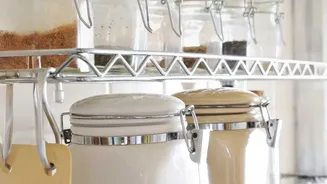
Once your pantry is sparkling clean, it's time to build your fortress. Cardboard boxes and paper or thin plastic bags offer zero protection; determined pests can and will chew through them. The single most effective preventative measure is to transfer all your dry goods into airtight containers. Choose high-quality containers made of rigid-walled plastic or glass with locking lids and silicone or rubber gaskets. These create an impenetrable physical barrier. Not only do they keep new pests out, but if you accidentally bring home an infested product, the container will trap the pests inside, preventing them from spreading to your entire pantry. It contains the problem before it even begins.
Step 3: Maintaining a Pest-Free Zone
Pest prevention is not a one-time task but an ongoing habit. Adopt a "First-In, First-Out" (FIFO) system by rotating older items to the front and placing new purchases at the back. This ensures food doesn't sit forgotten for months, becoming a potential breeding ground. Keep your pantry shelves dry, as moisture attracts pests. Before putting new groceries away, give the packaging a quick inspection for any tears or holes. By combining a clean environment with impenetrable storage, you move from reactive, ineffective hacks to a proactive system that truly works.