






A Historic Homecoming
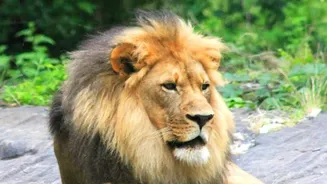
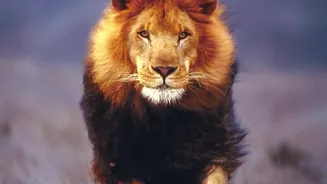
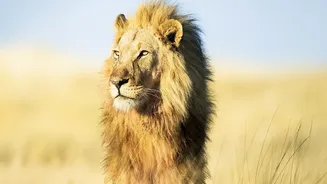
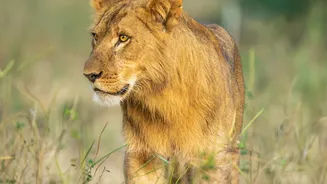
In a landmark move for wildlife conservation, Barda Wildlife Sanctuary is now home to 17 Asiatic lions. This isn't just a simple relocation; it's a historic return. The last official record of lions in Barda dates back to 1879. The process began with
the natural dispersal of a lone male lion into the sanctuary in January 2023, a testament to years of habitat restoration work. Following this, the Gujarat Forest Department introduced five females to establish a breeding population. The current population, consisting of six adults and eleven cubs born in their new home, confirms that the lions are adapting. This re-establishment is a key part of 'Project Lion', a national initiative to secure the future of the species.
Why Barda Was Chosen
Located about 100 kilometres from the Gir National Park, the Barda Wildlife Sanctuary spreads across 192 square kilometres of rugged hills and forests in the Porbandar and Devbhumi Dwarka districts. For years, conservationists have viewed it as a promising second home for lions. Its habitat has been systematically prepared for this moment. A crucial part of the preparation involved strengthening the prey base. Hundreds of spotted deer (chital) and sambar have been translocated to Barda to ensure the lions have ample wild prey. Studies have confirmed that the sanctuary's grasslands and forests offer a suitable environment to sustain a long-term lion population.
The Urgent Need for a Second Home
The success of Asiatic lion conservation has been remarkable, with the population growing from a few dozen in the early 1900s to nearly 900 today. However, this entire population has been concentrated in and around Gir National Park. This single-site concentration poses a significant risk. A single catastrophic event, like an epidemic or a natural disaster, could wipe out the entire species. The 2018 Canine Distemper Virus outbreak, which killed dozens of lions in Gir, was a stark reminder of this vulnerability. For decades, scientists and even the Supreme Court have advocated for creating a geographically separate second population to mitigate this risk.
What This Means for Lion Conservation
Establishing a population in Barda is the first major step towards creating a safety net for Asiatic lions. It acts as a buffer and reduces the pressure on the overcrowded Gir landscape. As the Gir population has grown, lions have increasingly ventured into human-dominated areas, leading to conflict. Barda provides a protected alternative habitat for dispersing lions. While some experts have argued for a second home further away, such as in Madhya Pradesh, Barda represents a significant move within Gujarat to diversify the lion's habitat. This approach aims to create a 'metapopulation'—a group of spatially separated populations that interact—which is considered a more resilient conservation model.
The Challenges Ahead
The return of lions to Barda is a success, but it comes with challenges. Long-term success depends on several factors. Continuous efforts are needed to manage the habitat, particularly by removing invasive plant species and ensuring water availability. Ensuring a robust prey base is also critical to prevent lions from preying on livestock, which can lead to conflict with local communities. The sanctuary is home to Maldhari pastoralist communities, and fostering coexistence is paramount. To this end, authorities have deployed full-time lion trackers and rapid response teams to monitor the animals and manage any potential conflict situations proactively. The initial studies on the Barda lions are based on a small population over a short period, and long-term monitoring is essential to ensure this new stronghold is secure and enduring.