







The Grand Vision for AI
India's ambition to become a global AI leader is backed by significant government action. The IndiaAI Mission, with an outlay of over ₹10,300 crore, is the flagship initiative designed to create a comprehensive ecosystem. A core part of this strategy
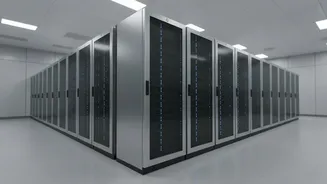
involves building a vast physical and digital infrastructure, including hundreds of AI labs and dozens of Centres of Excellence across the country. Recent government updates confirm progress, with 27 'India Data and AI Labs' already established and many more planned for technical institutes. These labs aim to provide the computational power and data necessary for research, alongside fellowships to cultivate talent. The goal is to democratise technology and create economic opportunities, transforming sectors like healthcare, agriculture, and governance.
The Gap Between Theory and Practice
Despite this impressive rollout, a persistent challenge threatens to undermine these efforts: the gap between academic knowledge and industry application. Many graduates, even from top engineering programmes, are considered not fully ready for specialised software development roles, a problem that extends directly into the AI domain. Curriculums in academic institutions often lag behind the rapid evolution of technology, focusing more on theory than the practical, problem-solving skills demanded by the industry. This results in a situation where students may understand the concepts of AI but lack hands-on experience in building, deploying, and refining real-world solutions. Reports highlight that an overwhelming majority of students are eager for internships and practical experience, signalling a clear demand for more than just classroom learning.
The Critical Need for Industry Feedback
For AI labs to become true innovation hubs, they must operate within a continuous feedback loop with the industry. Currently, academic projects can become theoretical exercises, disconnected from the problems businesses are trying to solve. Without regular input from companies on the front lines of AI development, research risks becoming irrelevant. This disconnect means that even promising projects developed in a lab may not be commercially viable or scalable. Integrating industry feedback into the lab's lifecycle—from project inception to final assessment—ensures that the work remains grounded, relevant, and aligned with market needs. This collaborative approach turns labs from isolated academic centres into dynamic environments that produce not just research papers, but prototypes and potential products.
The Missing Mentorship Layer
Perhaps the most crucial missing piece is a robust network of qualified mentors. Technology and infrastructure alone cannot guide a student or an early-stage researcher. Mentorship from seasoned industry professionals provides invaluable context, strategic direction, and practical wisdom that can't be found in textbooks. These experts can help young innovators navigate complex challenges, avoid common pitfalls, and understand how to transform a technical idea into a business solution. Initiatives are emerging, with some companies partnering with educational bodies to offer virtual internships that include mentorship from industry experts, and these programmes are seeing massive interest. Expanding such models is essential. By connecting experienced practitioners with the next generation of talent, India can accelerate the learning curve, foster a culture of practical innovation, and ensure its burgeoning AI workforce is equipped to lead, not just follow.