





A Torrent of Rock and Ice
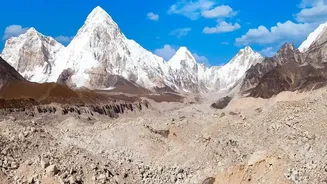
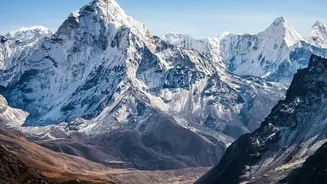
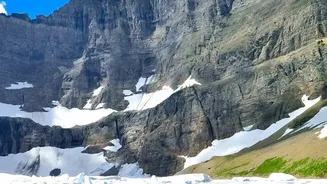
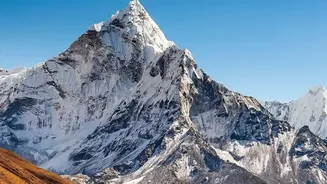
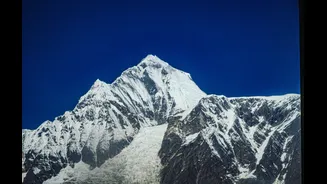
The disaster began high in the Himalayas, near the Nepal-China border. A massive section of rock and an overlying glacier on Langtang Lirung peak suddenly collapsed. This triggered a colossal avalanche of rock and ice that cascaded approximately 1,200
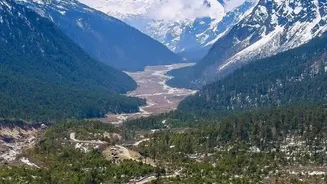
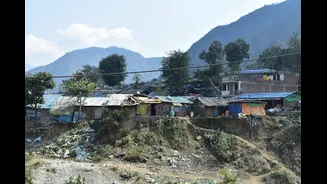
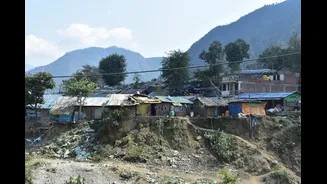
to 1,400 meters down into the valley below. The energy released was so immense it registered as a seismic event. As the debris careened down the mountain, friction generated intense heat, melting much of the ice and creating a fast-moving slurry of water, sediment, and boulders. This torrent swept through communities along the Trishuli River corridor, obliterating homes, bridges, and crucial infrastructure, resulting in over 1,300 deaths and leaving thousands more missing.
The Mountain's Weakened Foundation
This was not just a random landslide. Scientists from the World Weather Attribution group concluded that long-term environmental changes made the mountain face dangerously unstable. A major contributing factor was the lingering structural damage from the massive 2015 Gorkha earthquake, which likely weakened the bedrock for years. On top of this geological vulnerability, climate change has been relentlessly altering the high-altitude environment. Rising global temperatures are causing the permafrost—the permanently frozen ground that acts like a cement holding rock and soil together—to thaw. As this natural glue melts, mountain slopes become less stable and more prone to collapse. This process, combined with the seismic weaknesses, primed the mountain for failure.
Climate Change's Deadly Signature
The fingerprints of climate change are all over this tragedy, even if it wasn't a direct weather event like a hurricane. Himalayan glaciers are melting at an accelerated rate, losing mass and retreating. The Langtang Lirung glacier, for example, has retreated significantly since the 1990s, exposing rock that was once supported by ice. Furthermore, the freezing line—the altitude where temperatures stay below zero—is moving higher up the mountains by about 100 meters per decade. This exposes more rock to freeze-thaw cycles, which further destabilizes slopes. The months leading up to the disaster, July and August 2026, were the warmest ever recorded in the area, likely adding immediate stress through excessive meltwater seeping into the mountain's cracks.
A Warning for the Entire Himalayan Region
The disaster in Nepal is a grave warning for the entire Hindu Kush Himalaya region, including India. States like Uttarakhand, Himachal Pradesh, and Sikkim share the same fragile geology and are subject to the same climate-driven threats. A 2021 disaster in Uttarakhand was similarly linked to a rock and ice collapse exacerbated by thawing permafrost. Scientists warn that as temperatures rise, such cascading catastrophes will become more frequent. The threat is not just from sudden collapses but also from the growing danger of Glacial Lake Outburst Floods (GLOFs), where lakes formed by melting glaciers burst their natural dams. Reports have already classified 56 glacial lakes in India as being at very high risk. Unplanned construction and deforestation in these vulnerable areas only multiply the potential for devastation when these events occur.