





In a world grappling with climate change, some are not only responsible for the damage but are also profiting from the recovery. Oxfam's 'Destroy and Rebuild Index' shines a light on this troubling cycle, questioning who truly pays the price for disasters.
Decoding the 'Destroy and Rebuild' Concept
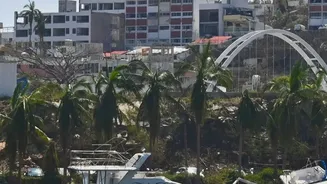
The 'Destroy and Rebuild Index' is a framework created by Oxfam to identify and analyse a specific group of corporations. It tracks 217 companies that fall into two main categories: those in industries that significantly contribute to climate breakdown, such as fossil fuels, and those that profit from disaster preparedness, recovery, and reconstruction efforts. This includes companies providing everything from flood barriers and firefighting equipment to food and loans in post-disaster scenarios. The index isn't just a list; it's a tool to highlight a 'double dividend' where the world's wealthiest can benefit from both the cause and the effect of climate crises, creating a powerful incentive to delay meaningful climate action.
Who Profits from Climate Chaos?
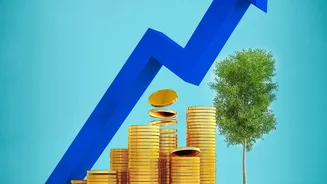
According to Oxfam's analysis, the companies within the Destroy and Rebuild Index are highly profitable. In 2025 alone, these firms reportedly made an average profit of $1.8 billion each and paid out over $1 billion on average to their shareholders. The report points a finger at major asset managers like BlackRock and Vanguard, noting they are invested in 92% of the corporations in the index, with their combined investments totalling more than $1 trillion. This concentration of investment suggests that the financial giants profiting from polluting industries are the same ones benefiting from the lucrative disaster recovery market, a sector projected to grow from $70 billion to $92 billion annually by 2029.
The Human Cost of a Warming Planet
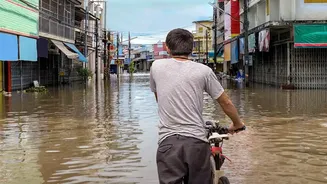
The index does more than just follow the money; it connects corporate profiteering to human suffering. Climate disasters act as 'inequality machines'. Research cited by Oxfam shows that deaths from flooding are seven times higher in more unequal countries. While the wealthy can afford to shield themselves by buying safer homes or even hiring private firefighters, poorer communities are disproportionately affected. They often live in more exposed areas, have fewer savings to recover from losses, and bear the brunt of consequences like soaring food prices after extreme weather events. Oxfam estimates that a single year of emissions from the richest 1% will cause an estimated 1.9 million excess heat-related deaths over the next century.
A Vicious Cycle of Injustice
Oxfam argues that the situation creates a vicious cycle. The ultra-rich, who contribute disproportionately to the emissions driving climate change, profit from the pollution itself. They then profit again from the disaster recovery and cleanup efforts. This dynamic is worsened when climate disasters are used as an opportunity to push for policies that deepen inequality, such as privatizing public services or offering tax breaks to corporations. The result is that those least responsible for the crisis—often in the Global South—end up paying those most responsible through higher prices and the immense cost of rebuilding their lives and communities.