






The Great Bath Debate: To Bathe or Not to Bathe?
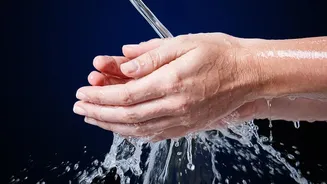
One of the most common questions when you're burning up with a fever is whether a bath is a good idea. In many households, it's a long-held belief that bathing can make a fever worse. However, modern medical advice suggests that bathing can be beneficial,
provided it’s done correctly. The key is the water temperature. Taking a lukewarm bath can help you feel more comfortable, cleaner, and can gently assist in lowering your body temperature. The goal isn't to shock your system into cooling down, but to provide gentle relief and comfort. It helps remove sweat and can make you feel more human during an illness.
Avoid a Shock to the System
While a lukewarm bath can be soothing, taking a cold or hot one is strongly discouraged. A cold bath or shower might seem like a logical way to cool down quickly, but it can be counterproductive. The shock of cold water causes your blood vessels to constrict and can trigger shivering. Shivering is your body's attempt to generate heat, which can actually cause your core temperature to rise, making the fever worse. On the other end of the spectrum, a hot bath is also a bad idea. It can raise your body temperature even further and increase the risk of dehydration through sweating, which is something you want to avoid when you're already ill. The ideal temperature is lukewarm—around 29-35°C—which feels comfortable to the touch.
Hydration: The Unsung Hero of Recovery
While bathing is optional, hydration is non-negotiable. A fever increases your body's metabolic rate and can cause significant fluid loss through sweating, even if you don't feel it. This fluid loss can quickly lead to dehydration, which makes symptoms like headaches and body aches worse and hinders your body's ability to fight infection. Drinking plenty of fluids helps regulate your body temperature, supports your immune system by carrying immune cells throughout the body, and helps flush out toxins. Water is the best choice, but you can also opt for broths, which provide electrolytes and nutrients, or diluted juices. The average adult with a fever should aim to drink more than the usual eight glasses a day to replenish lost fluids.
The Science of Restful Recovery
Fighting an infection takes an enormous amount of energy. When you have a fever, your body is working overtime to create an environment where viruses and bacteria can't thrive. This is why you feel so tired and lethargic. Resting, and especially sleeping, allows your body to redirect that energy toward the immune response. During sleep, your body produces and releases proteins called cytokines, which are essential for targeting infections. Pushing yourself to work or perform daily activities can prolong the illness and even increase the risk of complications. Giving your body the downtime it needs is one of the most effective things you can do to get better faster. Don't see it as being lazy; see it as actively helping your immune system do its job.