





Each December, the hills of Nagaland come alive with a unique rhythm. The Hornbill Festival is a dazzling spectacle of culture, a place where ancient traditions and modern music meet, creating an unforgettable experience for all who attend.
The 'Festival of Festivals'
Often called
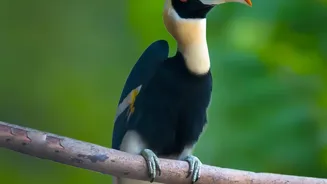
the 'Festival of Festivals', the Hornbill Festival is an annual 10-day carnival held from December 1st to 10th at the Naga Heritage Village, Kisama, about 12 km from Kohima. Initiated by the Nagaland government in 2000, its primary aim was to encourage interaction between the various tribes and to preserve and showcase the state's rich cultural tapestry for a global audience. The festival is named after the revered hornbill bird, a symbol of courage and beauty prominent in Naga folklore. It serves as a single, vibrant platform for all of Nagaland's major tribes to come together and display their unique customs, food, songs, and dances.
A Journey Through Naga Heritage
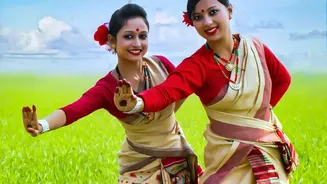
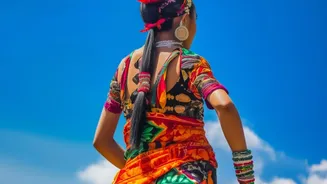
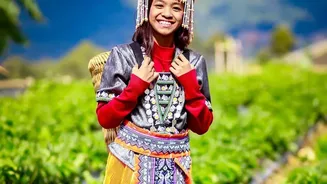
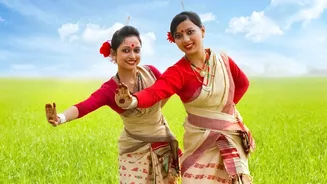
At the heart of the festival are the incredible displays of cultural heritage. The Kisama Heritage Village is dotted with morungs, or traditional youth dormitories, each one built and decorated to represent a specific Naga tribe. Visitors can walk through these structures, which house artifacts, weapons, and sacred hunting trophies, offering a direct glimpse into the Naga way of life. The main arena pulses with activity throughout the day, featuring captivating folk dances, warrior chants, and traditional music performed by troupes in spectacular, colourful attire adorned with feathers, beads, and animal motifs. These performances are not just for show; they tell ancient stories of harvests, battles, and community legends, passed down through generations.
The Modern Rhythm of the Hills
While heritage is the soul of the festival, music provides its modern heartbeat. The Hornbill Music Festival has become a major draw, attracting artists and fans from across the country and beyond. While the famous Hornbill International Rock Contest was officially discontinued in 2019, it has been replaced by 'The Great Hornbill Rock', ensuring that the high-energy music scene continues. This event features winners from state-wide auditions and prominent bands, making for several nights of electrifying performances. The music festival is a bridge between generations, honouring ancient melodies while embracing contemporary sounds, showcasing the dynamic evolution of Naga culture.
More Than Music and Dance
Beyond the main stage and cultural performances, Hornbill is a feast for the senses. Food stalls serve a variety of traditional Naga dishes, offering a chance to sample delicacies like smoked pork, bamboo shoot preparations, and the famously fiery Naga king chilli. Handicraft stalls exhibit and sell exquisite local art, including intricate wood carvings, traditional jewellery, and handwoven textiles. There are also indigenous games, traditional archery competitions, fashion shows, and even a World War II car rally, ensuring there is hardly a dull moment. The bustling night carnival in Kohima extends the festivities, with more food and music under the stars.
Planning Your 2026 Visit
If you're planning to attend in 2026, the festival will run from December 1st to 10th. The main venue is the Kisama Heritage Village, easily accessible from the state capital, Kohima. The nearest airport and major railway station are in Dimapur, from where you can hire a taxi for the approximately three-hour journey to Kohima. Most experts recommend spending at least two to three days at the festival to soak in the main cultural events, explore the morungs, and enjoy the evening concerts. The opening days are typically the most crowded and feature grand performances, while mid-festival days can offer a more relaxed experience.