



A Primer on E20 Fuel
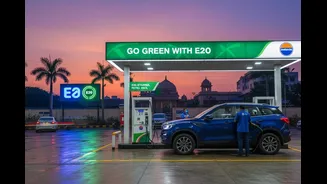
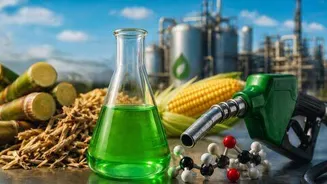
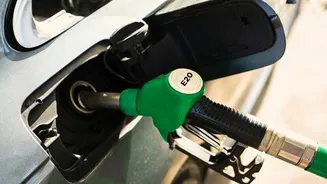
First, let's break down the basics. E20 is a specific blend of petrol that contains 20% ethanol. Ethanol is a biofuel, typically produced in India from feedstocks like sugarcane, maize, and surplus food grains. The idea is simple: by mixing a domestically
produced renewable fuel with imported petrol, the country can achieve several goals at once. This isn't a new concept globally, but India has accelerated its adoption timeline, making E20 the standard petrol available across much of the country. The government's push is part of a larger strategy to enhance energy security, reduce the carbon footprint of the transport sector, and provide an economic boost to the agricultural community.
India's Ethanol Ambition
The government's programme has been remarkably successful in terms of rollout, achieving the 20% blending target years ahead of its original 2030 schedule. The primary drivers are clear: India imports over 88% of its crude oil, making its economy vulnerable to global price shocks and geopolitical instability. Reducing this dependency is a major strategic priority. Furthermore, ethanol burns more cleanly than pure petrol, which helps in lowering vehicular emissions. The policy also creates a massive new market for agricultural produce, directly benefiting farmers and increasing rural incomes. With the E20 goal now met, discussions are already underway about the feasibility of higher blends like E25 or E30 in the future.
Automakers Signal Green Light
The Society of Indian Automobile Manufacturers (SIAM), the influential body representing most major carmakers in the country, has recently and publicly reaffirmed its full support for the government's E20 initiative. This is a significant development, as it signals that the industry is ready and willing to produce vehicles that are fully compatible with the new fuel standard. Since April 2023, most manufacturers have been rolling out E20-compliant models. SIAM's endorsement helps build confidence, suggesting that the technical hurdles of producing E20-ready engines have been largely overcome from a manufacturing perspective. Their backing is crucial for the long-term success of the ethanol blending programme.
The Fine Print: Fuel Quality Concerns
The headline of this story finds its footing in a recent, complex development. Reports emerged based on a communication from SIAM to the government that flagged concerns over fuel quality, specifically contamination with chlorides and moisture. The letter reportedly cited an increase in failures of components like fuel injectors and pumps, linking them to corrosion caused by these contaminants. However, SIAM subsequently withdrew this communication, stating that the data needed further authentication and that the excerpts didn't reflect the full context of its routine technical discussions with stakeholders. The industry body clarified there was "no cause for concern," reassuring the public of its support for the E20 rollout and the adequacy of existing testing standards.
Why Consistency Is Key
Despite the official retraction, the underlying issue of fuel quality remains a critical part of the conversation. The initial concerns raised by automakers, even if preliminary, highlight a key technical challenge. Ethanol is hygroscopic, meaning it can absorb water, which, if excessive, can lead to issues. Similarly, contaminants like chlorides can be corrosive to engine and fuel system components. Automakers have reportedly been advocating for stricter mandatory limits on such contaminants in the official Bureau of Indian Standards (BIS) specifications for fuel for over two years. The government and oil marketing companies have responded by stating that fuel quality monitoring has been strengthened, with frequent checks at over 87,000 outlets.
Impact on the Indian Driver
For the average car owner, this complex debate boils down to a few key questions. For those with vehicles manufactured after April 2023, there is little to worry about, as they are designed to be E20-compliant. For owners of older vehicles, the situation is more nuanced. While authorities and manufacturers state that no major breakdowns have been reported due to E20, some long-term effects on rubber and plastic components in non-compliant cars are possible. There is also a small, acknowledged drop in fuel efficiency—typically 3-6%—because ethanol contains less energy than petrol. Automakers have assured customers that warranties will be honoured, dismissing rumours to the contrary.