





Understanding the Science of Taste
It can be frustrating when a child rejects a food you know is good for them, but their hesitation is often rooted in biology. Children are born with an innate preference for sweet tastes, an evolutionary trait that signals energy-rich foods like breast
milk. Conversely, a suspicion of bitter flavours, common in many vegetables, acted as a natural defence against potential toxins in the wild. Children also have more sensitive taste buds than adults, meaning flavours we find mild can seem overwhelmingly intense to them. This developmental stage, often called 'neophobia' or the fear of new foods, is a normal part of growing up, typically peaking between ages two and six. The good news is that these preferences are not set in stone. Taste is a learned sense, and early, repeated exposure is one of the most effective tools for expanding a child's palate.
The Power of Patient Persistence
The core principle is simple: keep offering. Research has repeatedly shown that a child may need to be exposed to a new vegetable many times before they are willing to try it, let alone like it. Some studies suggest it can take anywhere from 10 to 17 encounters or even more. The key is to make these encounters low-pressure. Forcing, bribing with dessert, or scolding a child for not eating can create negative associations with food and increase mealtime stress. Instead, the goal is exposure, not immediate consumption. Simply having the vegetable on the plate where they can see, smell, and perhaps touch it is a small victory. One Dutch study found that repeated exposure over several months significantly increased children's intake of vegetables like pumpkin and radish. The process requires patience, but consistency helps a new food become familiar and, therefore, less intimidating.
Smart Strategies for the Dinner Table
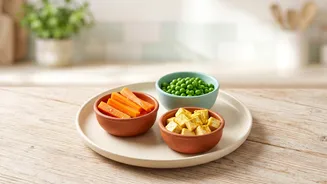
How you serve the vegetable matters just as much as what you serve. Start with tiny portions, sometimes as small as a single pea or a sliver of carrot, to avoid overwhelming your child. Presenting a new or less-liked food alongside a familiar favourite can make the experience feel safer. Another effective technique is to serve vegetables first, when your child is hungriest. Providing a few healthy choices can also empower them. For example, letting them choose between broccoli and green beans gives them a sense of control over their meal. Also, consider texture. Researchers have noted that a crispy texture, like that of raw radish slices, can be appealing to kids even if the taste is slightly bitter. Experimenting with different forms—raw, steamed, or roasted—can reveal surprising preferences.
Make It Fun and Get Them Involved
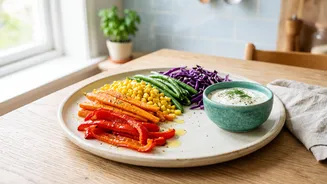
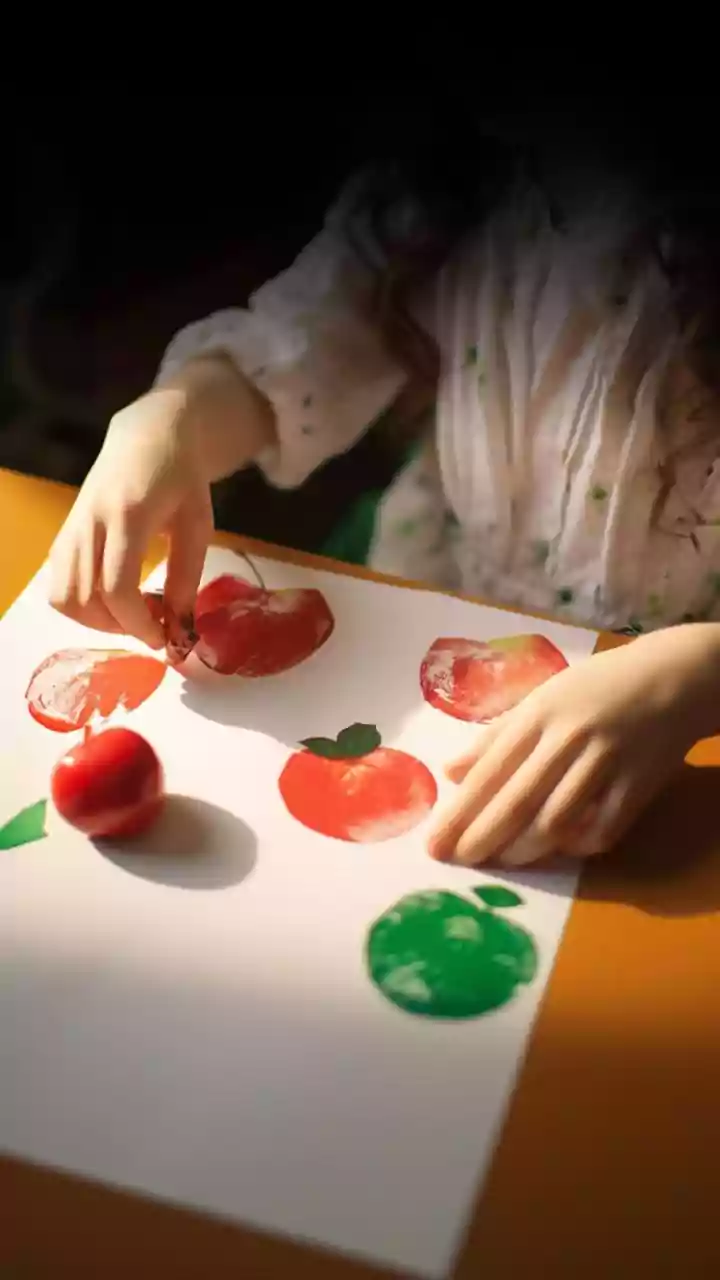
Moving beyond the dinner plate can transform a child’s relationship with vegetables. Involving them in the process sparks curiosity and reduces fear. Let them pick out a new vegetable at the grocery store or help wash and prepare it in the kitchen. Even simple tasks like tearing lettuce or stirring a sauce can make them more invested in the final meal. You can also make eating playful. Arrange vegetables into a smiley face on their plate, use cookie cutters to make fun shapes, or serve them with a favourite healthy dip like hummus or a yogurt-based sauce. These positive, hands-on experiences help build a foundation of enjoyment around healthy food, turning a potential power struggle into a shared activity.
Lead by Example
Children are excellent observers, and they learn what to eat by watching you. Family meals are a powerful opportunity to model healthy eating habits. When a child sees their parents, older siblings, or even peers enjoying a variety of vegetables without fuss, they are more likely to try them too. Make it a habit to fill your own plate with the vegetables you are encouraging them to eat. Talk positively about the food, mentioning its colour, crunch, or flavour. This approach normalises vegetable consumption and frames it as an enjoyable and expected part of a meal. Creating a relaxed and positive environment at mealtimes is crucial. When the focus is on connection and enjoyment rather than just consumption, children feel more secure and open to trying new things.