



NASA's dream of a permanent human outpost on the Moon is closer than ever, but the path to 'Artemis Base Camp' isn't a single leap. It's a complex chain of missions, each a critical link that must be forged before the next can be added.
The Grand Vision: More Than Flags and Footprints
For the first time
since the Apollo era ended in 1972, NASA is not just planning to visit the Moon, but to stay. The Artemis program represents a strategic shift from temporary sorties to establishing a sustainable, long-term human presence, starting with a base camp at the lunar South Pole. This outpost is envisioned as a hub for science, technology demonstration, and eventually, a stepping stone for future missions to Mars. The plan involves a phased approach, beginning with robotic missions and culminating in a continuously crewed surface habitat in the 2030s. However, getting there requires a sequence of unprecedented achievements, and the entire timeline is a cascade of dependencies where one delay can ripple through the whole program.
The Critical Path: A Mission-by-Mission Buildup
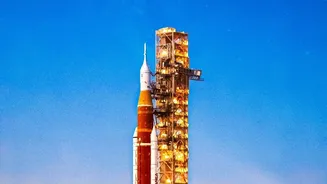
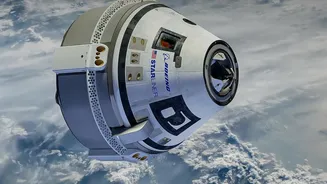
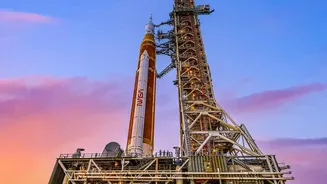
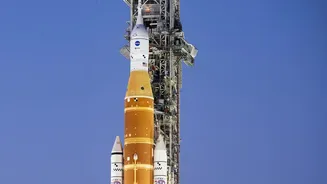
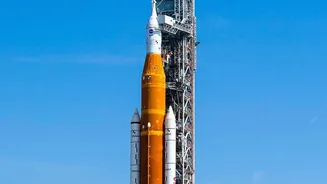
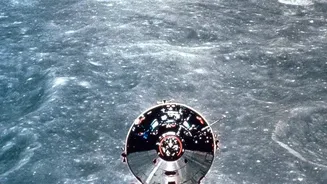
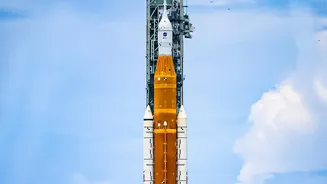
The journey to the Moon base is built upon the Artemis missions. Artemis I was a successful uncrewed test flight of the powerful Space Launch System (SLS) rocket and Orion crew capsule in 2022. Artemis II followed in April 2026, taking a crew of four astronauts on a flyby of the Moon, proving the Orion spacecraft's life support and deep-space capabilities with humans aboard. But the missions that follow are where the complexity multiplies. Artemis III, now slated for 2027, has been reshaped from a landing mission into a crucial Earth-orbit test. Its crew will rendezvous and dock with test versions of the commercial human landing systems (HLS) being developed by SpaceX and Blue Origin, a critical dress rehearsal before any landing attempt.
The Unbuilt Bridges: Landers and Logistics
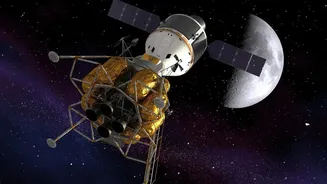
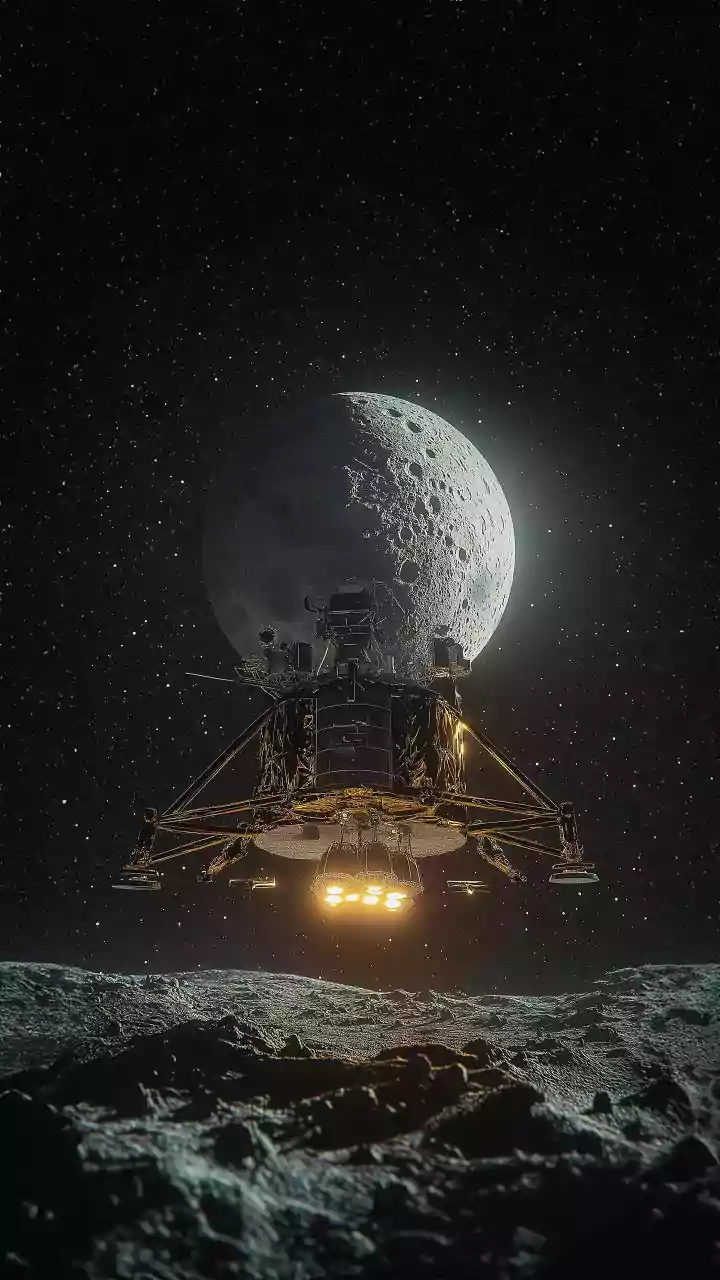
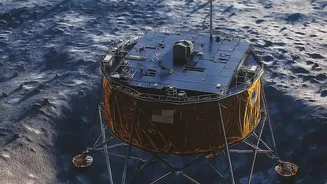
The first crewed lunar landing since Apollo is now targeted for Artemis IV in early 2028. This mission's success hinges entirely on the readiness of the HLS, the vehicles that will ferry astronauts from lunar orbit down to the surface. Both SpaceX's Starship and Blue Origin's Blue Moon lander are in development and face their own demanding test schedules. For instance, SpaceX must first demonstrate in-orbit propellant transfer for its Starship lander, a feat never before accomplished on that scale, before it can even attempt an uncrewed lunar landing. Blue Origin is also working toward an uncrewed landing attempt before it can be certified for astronauts. Any significant delays in these commercial programs directly impact NASA's ability to land crews on the Moon by 2028.
A Foundation Built by Robots
Even before astronauts return to the surface, a swarm of robotic missions is needed to pave the way. Through its Commercial Lunar Payload Services (CLPS) initiative, NASA is partnering with several companies to deliver scientific instruments, rovers, and infrastructure prototypes to the Moon. This initial phase, running through 2029, involves more than 20 robotic landings. These missions will scout landing sites, test power systems capable of surviving the brutal, weekslong lunar night, and deploy mobility systems like rovers. In May 2026, NASA announced partnerships with companies like Astrolab and Lunar Outpost to develop the Lunar Terrain Vehicle (LTV), essentially a Moon car that will be waiting for astronauts when they arrive. These uncrewed deliveries are foundational; without them, the equipment and knowledge needed for a human base won't be in place.
Shifting Timelines and Strategies
The timeline has already seen significant evolution. An ambitious 2024 landing goal set by a previous administration was widely seen as technically unfeasible. More recently, in early 2026, NASA leadership paused plans for the Lunar Gateway, a small space station in orbit around the Moon, to focus resources directly on developing the surface base. This pivot simplifies the architecture for the initial landings but requires repurposing hardware and international contributions that were originally planned for the Gateway. This strategic flexibility highlights the core reality of the program: the schedule is not set in stone. It is a dynamic plan that must adapt to technical progress, budget realities, and the performance of its many commercial partners.