Choosing Your Train: Speed vs. Experience
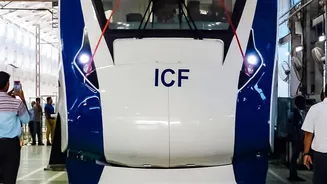
The first major decision is selecting the right train. The Delhi-Varanasi route offers a spectrum of choices. For speed and comfort, the Vande Bharat Express is the top pick, completing the journey in about eight hours. These are modern, air-conditioned
chair-car trains with onboard meals included, ideal for travellers who prioritise time. In contrast, numerous overnight trains like the Shiv Ganga Express or Swatantrata Sainani Express offer a more traditional experience. These journeys can take anywhere from 10 to 14 hours, allowing you to sleep through the night and arrive in the morning. This option is often more budget-friendly and gives you the classic Indian Railways experience of waking up to the changing landscape. Your choice depends on your budget, schedule, and the type of travel experience you seek.
Understanding the Classes of Travel
Indian Railways has a tiered class system that can be confusing at first. For overnight trains, the main options are Sleeper Class (SL) and various Air-Conditioned tiers. SL is the most economical choice but is non-AC and can be crowded. The AC classes offer more comfort and are generally considered safer for tourists. AC 3-Tier (3A) is the most common and strikes a balance between cost and comfort, with three levels of berths. AC 2-Tier (2A) provides more space and privacy with two levels of berths and curtains. First AC (1A) is the most premium, offering private, lockable cabins of two or four berths, much like a hotel room on wheels. For daytime trains like the Vande Bharat, you can choose between AC Chair Car (CC) and the more spacious Executive Chair Car (EC).
Booking Your Tickets: The Essential Steps
This is one of the busiest routes in India, so booking tickets well in advance is crucial, especially during festival seasons. The official channel for booking is the IRCTC (Indian Railway Catering and Tourism Corporation) website or mobile app. You will need to create an account to book. The general booking window opens 120 days in advance. For last-minute plans, there's the 'Tatkal' quota, which opens one day before departure at 10 AM for AC classes and 11 AM for non-AC classes, though seats are limited and sell out almost instantly. It's wise to check your PNR (Passenger Name Record) status after booking to see if your ticket is confirmed (CNF) or on a waitlist (WL).
Navigating the Stations
Delhi has several major railway stations, with most Varanasi-bound trains departing from New Delhi Railway Station (NDLS) or Anand Vihar Terminal (ANVT). NDLS is a massive and often chaotic station with 16 platforms. Arrive with ample time to find your platform. Both stations offer facilities like waiting rooms, food courts, and free Wi-Fi. Executive Lounges are also available at both New Delhi and Varanasi stations for a fee, offering a more comfortable, air-conditioned space to wait with amenities like Wi-Fi, beverages, and clean restrooms. In Varanasi, you'll likely arrive at Varanasi Junction (BSB) or the newly developed Banaras station (BSBS).
Onboard Essentials and Safety
For overnight journeys in AC classes, clean bedding (a pillow, sheets, and a blanket) is provided. However, in Sleeper Class, you'll need to bring your own. Meals are often included in Rajdhani and Vande Bharat fares, but for other trains, you can either purchase food from the pantry car, vendors on the train, or pre-book meals online through various services. It's always a good idea to carry snacks and a water bottle. For safety, secure your luggage with a chain and lock, especially in Sleeper Class. Keep valuables out of sight and be cautious, as you would in any crowded public space. Travelling in AC coaches is generally considered more secure as doors are locked at night between stations.