




The Soothing Appeal of Natural Remedies
In a world of complex ingredient lists and synthetic compounds, the allure of herbal remedies is powerful. Many people in India and across the globe turn to plants for healing, drawing on centuries of traditional knowledge. Whether it's a turmeric paste
for inflammation or a tulsi tea for a cough, these practices offer a sense of control and connection to nature. The thinking is often that if it comes from the earth, it must be safer. This belief has fueled a massive global market for natural products, from essential oils to herbal supplements. But as these remedies move from traditional, supervised use into mainstream DIY wellness, it's crucial to understand that they are not without risks.
When 'Natural' Means Chemical
The core misunderstanding is that 'natural' is the opposite of 'chemical'. In reality, everything is made of chemicals; plants are simply complex bundles of naturally occurring ones. Peppermint, for instance, gets its famous cooling power from a potent compound called menthol. When you apply an herbal remedy, you are applying these active chemical compounds directly to your skin. For some, this can trigger what’s known as contact dermatitis—an inflammatory skin reaction that can cause redness, itching, burning, and even blistering. This isn't a failure of the plant, but a potent reminder that natural substances have powerful effects that must be respected.
The Peppermint Paradox
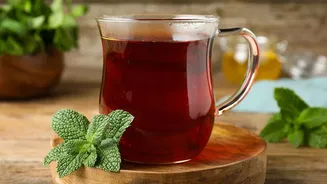
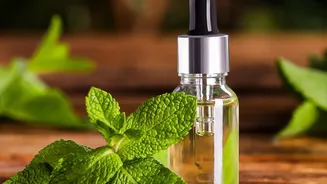
Peppermint oil is a perfect example of this paradox. It’s widely used to soothe tension headaches, calm overworked muscles, and relieve itching. Its main active component, menthol, works by triggering cold receptors in the skin, creating a cooling sensation that provides relief. However, this very potency is also its biggest risk. Applied directly to the skin without dilution, peppermint oil’s high concentration of menthol can overwhelm these receptors, leading to a burning sensation, rashes, and irritation. It should never be applied 'neat' or undiluted. Even in a compress, if the concentration is too high or the skin is particularly sensitive, that cooling relief can quickly turn into uncomfortable and painful inflammation.
It’s Not Just Peppermint
This principle applies far beyond peppermint. Many popular essential oils and herbal preparations carry a risk of skin irritation. Tea tree oil, lauded for its antiseptic properties, can cause dermatitis if not properly diluted. Citrus oils like lemon and bergamot can cause phytophotodermatitis, a painful reaction that occurs when the treated skin is exposed to sunlight. Even seemingly gentle botanicals like lavender and jasmine have been known to trigger allergic responses in some individuals. The reaction depends on the plant's chemical makeup, its concentration, and your unique skin sensitivity. Just because a friend has a great experience with an herbal remedy doesn't guarantee you will too.
How to Use Herbal Compresses Safely
Enjoying the benefits of herbal remedies like peppermint while minimising the risks comes down to a few key practices. First and foremost: always dilute essential oils. The golden rule for topical use is to blend a few drops of the essential oil with a 'carrier oil'—such as coconut, jojoba, or sweet almond oil—before letting it touch your skin. A 1-2% dilution is recommended for most applications. Before using a new preparation, always perform a patch test. Apply a small amount of the diluted mixture to your inner arm and wait 24 hours to see if any reaction occurs. Never apply these potent oils to broken or already inflamed skin, as this can worsen irritation and increase absorption. And if you have a history of sensitive skin or allergies, it’s always best to exercise extra caution.