


The Neutral Canvas: Understanding Sago
Sabudana, or tapioca pearls, are a relatively recent addition to the Indian pantry, having been introduced from Southeast Asia and popularised in the 20th century. Made from the starch of the cassava root, these pearls are almost pure carbohydrate. While
they provide a quick and easily digestible source of energy, they are notably lacking in protein, fat, fibre, and flavour. Their primary contribution to a dish is their unique, chewy texture. On their own, they are a blank slate, offering energy but little else in terms of nutrition or taste. This is precisely why their companions in the bowl are so critical. They need other ingredients to transform them from simple starch into a complete, satisfying meal.
The Grounding Force: The Role of the Potato
Enter the humble potato. Like sago, potatoes are a fantastic source of carbohydrates, making the combination a powerhouse of energy. This is particularly important for those observing religious fasts (or 'vrat'), who need sustained energy from non-grain sources. But the potato does more than just add bulk. It provides a soft, yielding texture that contrasts beautifully with the chewy, sometimes gelatinous sago pearls. It also absorbs the flavours of the spices—like cumin, green chillies, and curry leaves—that are tempered in ghee or oil, helping to distribute that flavour throughout the dish. Without the potato, sago-based breakfasts would feel less substantial and texturally monotonous.
The Powerhouse Ingredient: The Peanut’s Crucial Crunch
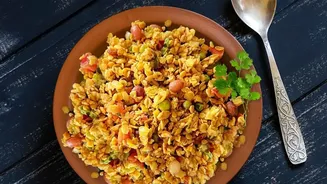
If sago is the canvas and potato is the body, then the peanut is undoubtedly the soul of the dish. Peanuts are the component that elevates sago-based breakfasts from a simple carb-load to a more balanced meal. They provide the much-needed protein and healthy fats that sago and potatoes lack, contributing to a feeling of satiety that keeps you full for longer. Nutritionally, they are doing the heavy lifting. But their contribution is equally important in terms of flavour and texture. Roasted and coarsely crushed, peanuts introduce a vital crunch that cuts through the softness of the other ingredients. Their rich, nutty flavour provides a deep, savoury note that stands up to the starchiness of the pearls and potatoes, making the entire dish more complex and delicious.
A Symphony of Synergy: Why It Works for Fasting
The combination of sago, potato, and peanuts is a textbook example of culinary synergy, where the whole is far greater than the sum of its parts. Together, they create a dish that is balanced in texture—chewy, soft, and crunchy—and flavour. Culturally, this trio has become synonymous with fasting food in many parts of India for good reason. During fasts like Navratri or Ekadashi, grains are often prohibited. This dish provides a permissible, gluten-free energy source from carbohydrates (sago, potato) while also delivering essential protein and fats (peanuts) to maintain strength and fullness throughout the day. It’s a complete meal that is light on the stomach yet deeply satisfying, adhering to religious guidelines without sacrificing nutrition or taste.