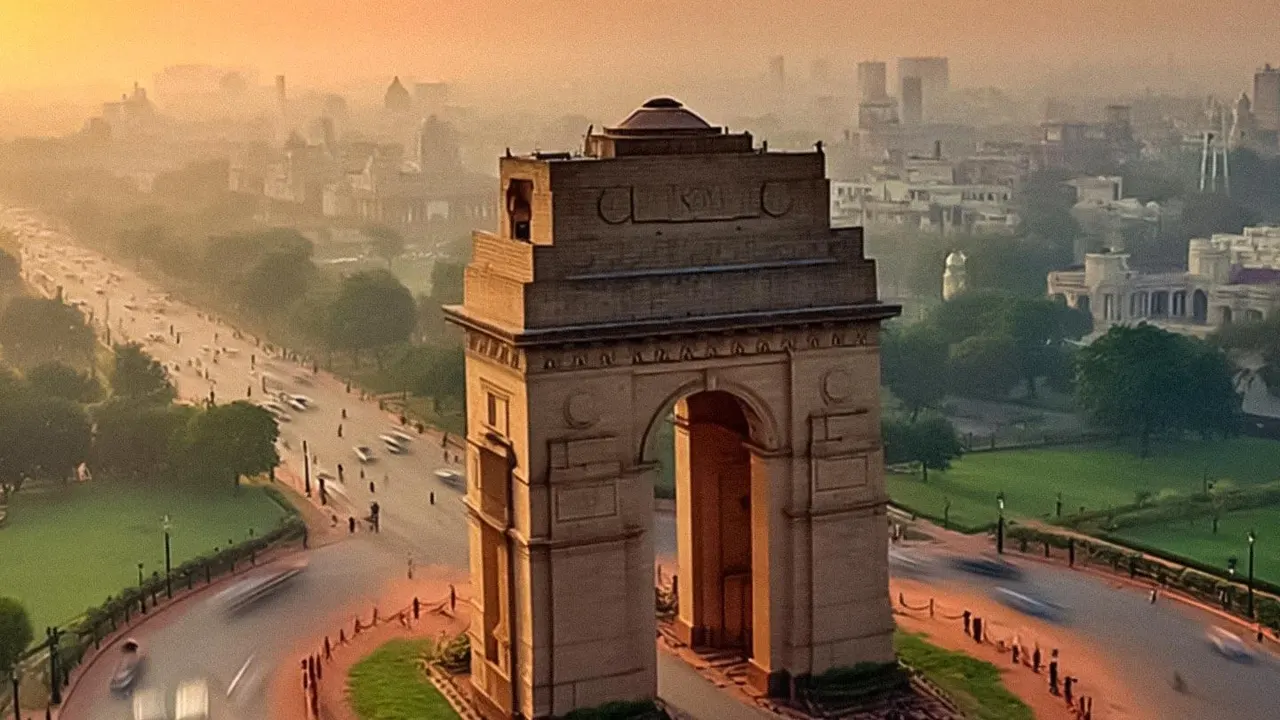








The Annual Onslaught Begins
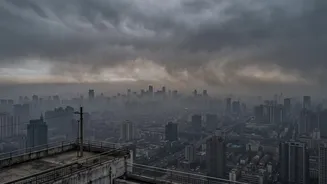
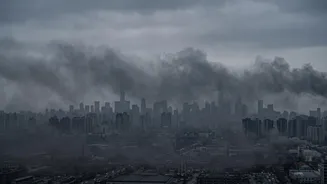
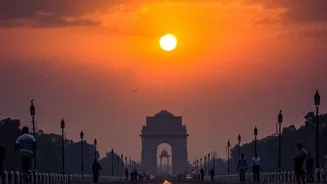
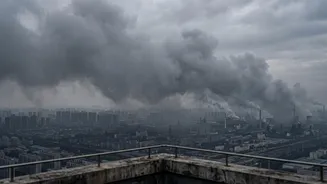
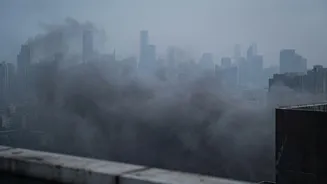
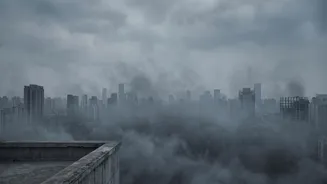
As October progresses, a combination of factors conspires to trap pollutants over the national capital region. Cooler temperatures prevent pollutants from dispersing, while emissions from vehicles, industry, and stubble burning in neighbouring states
create a toxic cocktail. As of mid-October, the air quality has already begun to decline, with forecasts predicting it will remain in the 'Moderate' to 'Poor' category. On October 13, 2026, the AQI was recorded in the 'Moderate' category at 158. This is the predictable start to a months-long battle for clean air that residents know all too well.
Why It's More Than Just a Cough
The health impact of this seasonal smog goes far beyond a temporary cough or irritated throat. The primary danger lies in fine particulate matter, especially PM2.5 — particles so small they can penetrate deep into the lungs and even enter the bloodstream. Long-term exposure to these pollutants is linked to a host of serious health issues, including chronic obstructive pulmonary disease (COPD), lung cancer, and heart disease. Studies have shown that prolonged exposure to Delhi's air can lead to reduced lung function, with children, the elderly, and those with pre-existing conditions like asthma being particularly vulnerable. These invisible particles cause inflammation, weaken immunity, and can trigger or worsen chronic respiratory and cardiovascular conditions.
Authorities Mobilise with GRAP
In response, authorities are implementing the Graded Response Action Plan (GRAP), a set of emergency measures that escalate as air quality worsens. Stage I of GRAP was activated from October 1, 2026, tightening rules on construction dust and vehicle emissions. The government has also announced a winter action plan effective November 1, which includes measures like doubling parking fees to discourage private vehicle use, advising 50% work-from-home arrangements, and restricting certain construction activities through January 2027. As the AQI moves into 'Very Poor' (301-400) and 'Severe' (401-450) categories, stricter restrictions will be enforced, including bans on certain BS-III petrol and BS-IV diesel vehicles.
Create a Clean Air Sanctuary at Home
Since you will likely spend more time indoors, making your home a safe zone is crucial. Invest in a high-quality air purifier with a HEPA filter, which is effective at capturing PM2.5 particles. Keep windows and doors sealed during high pollution hours. Regular wet mopping can help manage settled dust. While some indoor plants like Areca Palm and Snake Plant can help filter certain toxins, they are not a substitute for a purifier during peak smog. Also, avoid using incense sticks and aerosol sprays, which contribute to indoor air pollution.
Navigating the World Outside
When stepping out is unavoidable, protection is paramount. Standard cloth or surgical masks are ineffective against PM2.5. Use a well-fitted N95 or N99 mask, which can filter out the vast majority of these harmful fine particles. Monitor the AQI in real-time using reliable apps and plan your outdoor activities for times when pollution is relatively lower, typically in the afternoon. It's strongly advised to avoid strenuous exercise like running or cycling outdoors, especially during early morning and evening hours when pollution levels are often at their highest.
Bolster Your Body's Defenses
While external measures are key, you can also support your body's ability to cope with environmental stress. A diet rich in antioxidants can help combat the oxidative stress caused by pollutants. Include foods high in Vitamin C (like amla and citrus fruits), Vitamin E, and beta-carotene. Staying well-hydrated is also important for overall respiratory health. While these are supportive measures and not a cure, a strong nutritional foundation can help improve your body's resilience during this challenging season.