





The Saffron Paradox: Sweet Aroma, Bitter Taste
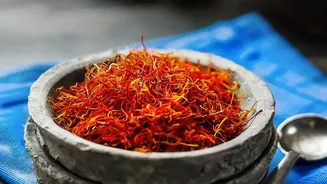
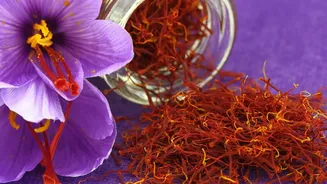
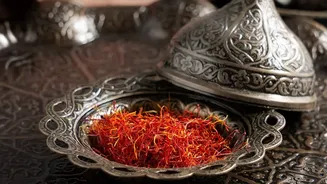
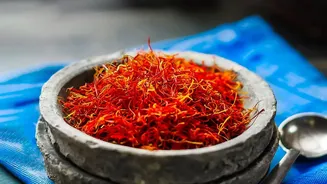
Saffron, the world's most prized spice, is known for its ability to transform a dish with a stunning golden hue and an intoxicating aroma. Many describe this scent as floral and honey-like. This leads to the common assumption that saffron itself is sweet.
However, this is part of what makes saffron so complex; it smells sweet, but its actual taste is more earthy, floral, and even slightly bitter. This phenomenon is often called the 'saffron paradox'. The flavour is subtle yet distinctive, adding layers of warmth and sophistication rather than a straightforward sugary note. The perception of sweetness comes largely from its powerful aroma, which enhances how we experience the overall flavour of a dish. It’s a spice that doesn’t dominate but rather elevates the other ingredients it touches.
Honey's Role: A Liquid Sweetener
Honey, in contrast, delivers on its sweet promise directly. It is a liquid sweetener that is actually sweeter than granulated sugar, meaning you can often use less to achieve the same level of sweetness. But honey’s contributions go far beyond just its taste. It is what’s known as a hygroscopic ingredient, which means it naturally attracts and holds onto moisture. This is why baked goods made with honey often have a softer, moister texture and a longer shelf life, staying tender for days. This moisture-retaining quality is one of its greatest strengths in the kitchen, making it perfect for cakes, muffins, and quick breads where a tender crumb is desired.
Why Honey Lacks Structural Integrity
The headline's claim that honey adds sweetness rather than structure is a key distinction in baking science. Granulated sugar consists of dry crystals. When creamed with butter, the sharp edges of these crystals cut into the fat, creating tiny air pockets. This process aerates the batter, which helps cakes and cookies rise and gives them a lighter structure. Honey, being a liquid composed of about 15-20% water, cannot perform this function. It doesn't have the crystalline structure needed to create that lift. As a result, using only honey can lead to denser baked goods with a finer crumb. This also means that for recipes where crispness is key, like certain cookies or crunchy crusts, honey alone won't deliver the same result as sugar. A blend of both is often needed to get the perfect balance of moisture and crispness.
The Science of Browning and Acidity
Another crucial difference lies in how they bake. Honey is an invert sugar, rich in fructose, which causes it to brown much faster than granulated sugar. This means that when substituting honey for sugar, bakers often need to lower the oven temperature by around 25°F (about 15°C) to prevent the outside from burning before the inside is cooked. Honey is also naturally acidic. While this acidity can help create a more tender crumb, it can also interfere with leavening if not balanced. For this reason, recipes using honey often call for a small amount of baking soda to neutralize the acid and ensure a proper rise.
A Perfect Culinary Partnership
Despite their differences, saffron and honey are a classic pairing for a reason. Honey’s straightforward sweetness beautifully balances saffron’s complex, slightly bitter notes, while saffron lends its luxurious floral aroma to the honey. This dynamic duo works wonders in a variety of dishes. You can find them together in glazes for roasted carrots or chicken, poaching liquids for pears and figs, or flavouring custards and cakes. A simple saffron-infused honey can be drizzled over Greek yoghurt or used in a vinaigrette to elevate a simple salad. In these combinations, each ingredient is allowed to shine, creating a flavour profile that is more complex and harmonious than either could achieve alone.