


The Wellness Reputation
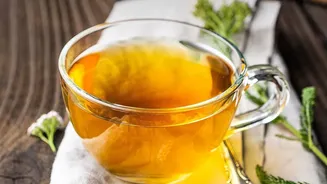
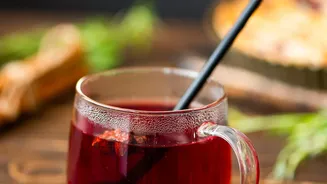
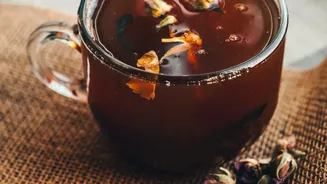
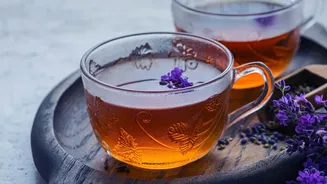
Let's start with the familiar. Rooibos, or 'red bush' tea, has built a global reputation as a healthy beverage. It is naturally caffeine-free, low in tannins, and contains antioxidants like aspalathin and quercetin. Tannins can sometimes interfere with the absorption
of nutrients like iron, making their low concentration in rooibos a notable benefit. Studies have explored its potential to improve antioxidant levels in the body, although research is ongoing to determine the long-term effects. While its use in traditional medicine for ailments ranging from skin irritations to digestive issues is well-documented, modern science is still catching up to fully understand its properties. But this wellness angle, as valid as it is, is only the first chapter of a much deeper narrative.
A Story Rooted in South Africa
To truly understand rooibos, you must travel to the Cederberg mountains of South Africa's Western Cape. This is the only place on Earth where the Aspalathus linearis plant naturally grows. For centuries, the Indigenous Khoisan people were the original custodians of this plant's knowledge. They harvested the wild-growing bush, using its needle-like leaves to create medicinal remedies and a refreshing brew. This ancestral knowledge laid the foundation for the entire rooibos industry. It wasn't until the 18th century that European botanists and settlers began to take notice, initially adopting it as a less expensive alternative to imported Asian teas. The commercialisation began in the early 20th century, but it's a story deeply intertwined with the heritage of the region's first inhabitants.
A Protected Geographical Treasure
Much like Champagne can only come from Champagne, France, or Parmesan from a specific region in Italy, rooibos has a protected status. In 2021, the European Union granted Rooibos/Red Bush a Protected Designation of Origin (PDO). This legally protects the name, ensuring that only tea produced from Aspalathus linearis in the specified Cederberg region can be called 'rooibos'. This was a landmark achievement, making rooibos the first African food product to receive this coveted status. The PDO not only safeguards the authenticity and quality for consumers but also protects the economic value and heritage of the South African communities that have cultivated it for generations. When you drink a cup of authentic rooibos, you are tasting a specific, legally protected microclimate and soil composition that cannot be replicated anywhere else.
Beyond the Teacup: A Culinary Chameleon
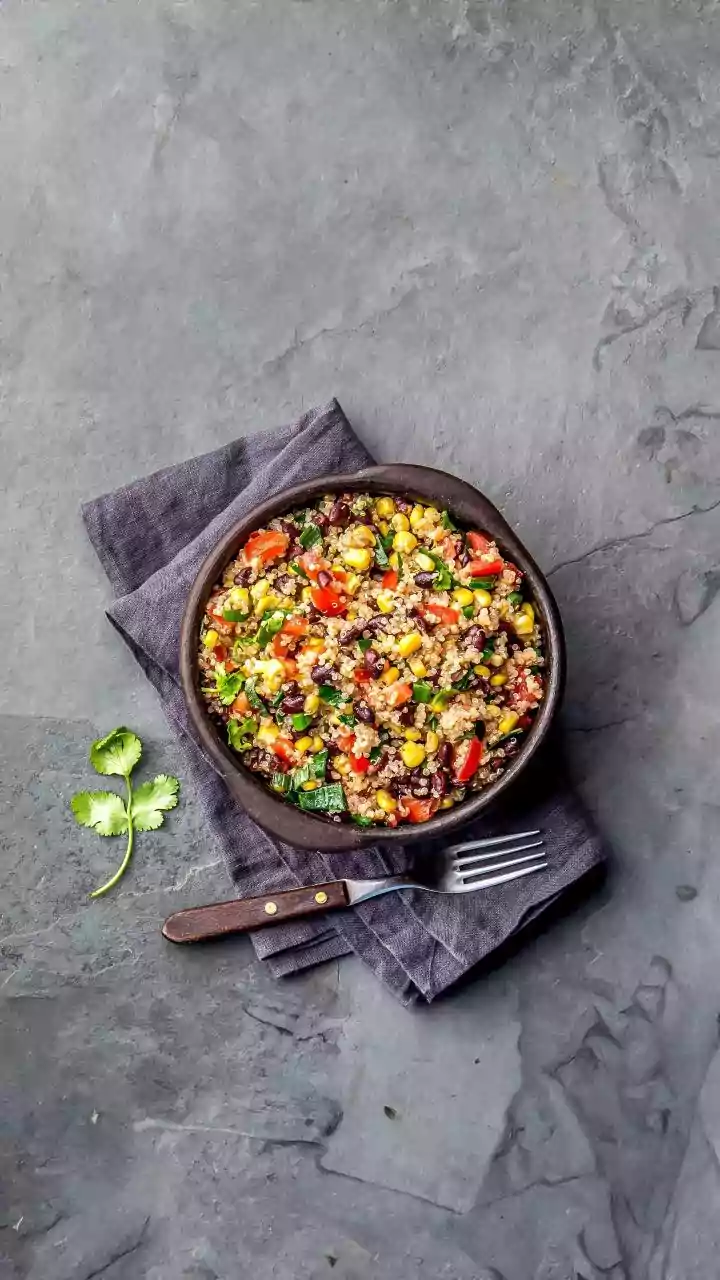
Perhaps the most exciting aspect beyond its wellness halo is rooibos's incredible versatility in the kitchen. Its naturally sweet, earthy, and slightly nutty flavour profile makes it a fantastic culinary ingredient. Instead of just water, brewed rooibos can serve as a flavourful base for soups, stews, and sauces. Its gentle tannins can even act as a natural meat tenderiser in marinades for chicken, beef, or lamb. In baking, strong-brewed rooibos can replace milk or water in recipes for cakes and cookies, infusing them with a beautiful amber hue and warm, caramel-like notes. Creative mixologists are also using rooibos-infused syrups to craft unique cocktails and mocktails, pairing it with gin, citrus, and spices. Even the dry leaves can be ground and used in spice rubs or for smoking fish, adding a subtly smoky dimension.