



A New Blueprint for Indian Tourism
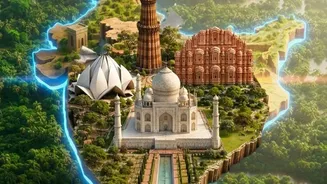
For decades, the Indian travel narrative was dominated by a few iconic circuits. But now, a conscious effort is being made to diversify, driven by a vision to build a more resilient and widespread tourism economy. The strategy, supported by government
initiatives like Swadesh Darshan 2.0 and Maritime India Vision 2030, is shifting focus from just increasing tourist numbers to developing high-quality, experience-led destinations. This new wave brings together three distinct but complementary pillars: the burgeoning cruise industry, immersive rural experiences, and reimagined wildlife encounters. The goal is to distribute tourist flow away from overcrowded hubs and create new economic opportunities across the nation.
Setting Sail on India's Waterways
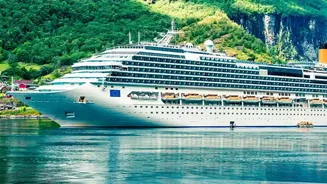
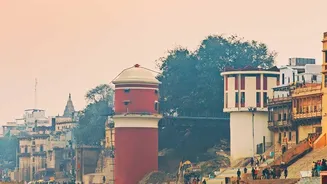
Cruise tourism is rapidly moving from a niche segment to a mainstream attraction. The government’s Maritime India Vision 2030 outlines an ambitious plan to make India a global cruise hub, with a target of increasing cruise calls to 1,000 by 2030, a significant jump from 224 in 2025-26. This push includes building world-class terminals and simplifying entry with e-group visas for international tourists. It’s not just about ocean liners. River cruising is capturing the imagination of travellers, spearheaded by vessels like the MV Ganga Vilas, which undertakes the world's longest river journey from Varanasi to Dibrugarh via Bangladesh. This journey across 27 river systems showcases a different side of India, connecting cultural sites, national parks, and historic cities. Meanwhile, domestic operators like Cordelia Cruises are doubling their capacity with new ships sailing from Mumbai to destinations like Goa and Lakshadweep, signalling strong local demand.
The Authentic Appeal of Rural Life
Parallel to the gloss of modern cruises is a growing appreciation for India’s rustic soul. The Ministry of Tourism is actively promoting rural tourism, viewing villages as living repositories of culture, craft, and heritage. The strategy aims to transform rural locations into tourism hotspots by encouraging homestays and showcasing local art and lifestyles, which aligns with the global trend of experiential travel. This approach not only offers travellers a more authentic experience but also provides a vital economic boost to local communities, particularly for youth and women, helping to curb migration to cities. By integrating tourism with existing village life rather than building new infrastructure from scratch, this model offers a low-capital, sustainable path to growth.
Into the Wild, with Deeper Insight
India's wildlife tourism is also undergoing a significant evolution. The focus is shifting from a simple safari ride to a more profound, educational experience. The market, valued at over $11 billion in 2023, is projected to grow steadily as it pivots towards luxury and sustainability. Eco-friendly lodges and resorts in destinations like Ranthambore and Satpura are creating immersive stays that blend with the natural environment, often run by passionate conservationists. The emphasis is on quality over quantity. Instead of just spotting a tiger, the new wildlife experience involves travelling with naturalists who can interpret the forest's sounds and signs, offering a deeper understanding of the ecosystem. This responsible approach helps in conservation while providing discerning travellers with a more meaningful connection to nature.