

A Once-in-a-Dozen-Year Marvel
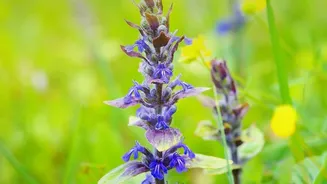
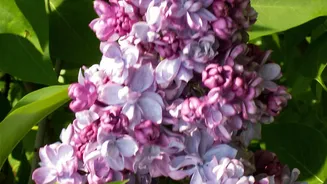
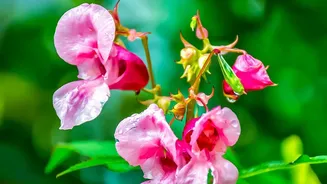
Neelakurinji, or Strobilanthes kunthiana, is a shrub native to the high-altitude shola grasslands of the Western Ghats. What makes it extraordinary is its highly unusual synchronised flowering cycle. Entire populations of the plant bloom gregariously,
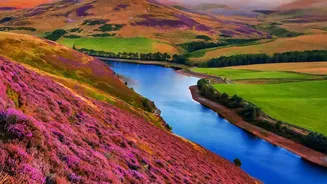
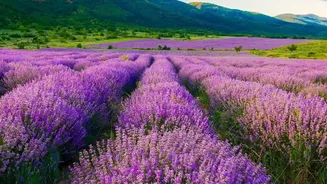
all at once, after a long vegetative period of 12 years. Once they flower and produce seeds, the parent plants die, and a new generation begins the long wait all over again. This rare life cycle, known as mass flowering, is what makes each bloom a coveted, must-see event for nature lovers and travellers from across the globe. The name itself is a giveaway: 'Neela' means blue, and 'Kurinji' is the local name for the flower. It is believed that the Nilgiri Hills, or 'Blue Mountains', were named after the stunning vista created by these blooms.
The 2026 Bloom: What's Happening Now?
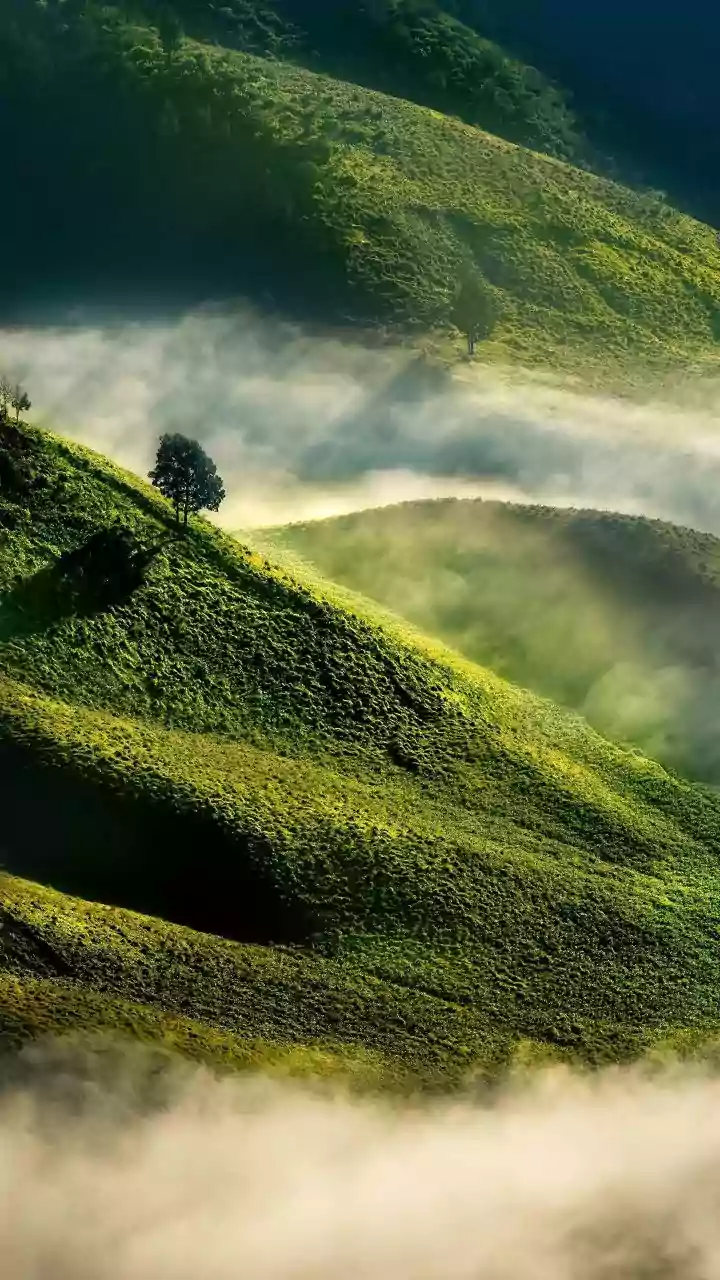
A significant Neelakurinji bloom is currently active in the hills surrounding Munnar. The flowers began appearing in August 2026 and the peak viewing season is expected to last through September and October. This particular spectacle is concentrated in specific areas, most notably the Chokramudi hills and the Korandakkad-Mattupetty region. Forest officials opened the Kurinji Garden at Chokramudi to visitors on August 24, 2026, with entry fees in place to manage the influx. As September progresses, the bloom is expected to spread further across higher slopes, including parts of Meesapulimala, Edalimedu, Sevenmala, and Gundumala.
Is This the Main Event?
This is where it gets interesting. While the 2026 flowering is a major event, it shouldn't be confused with Munnar's most famous Neelakurinji bloom at Eravikulam National Park. Different populations of the same flower species can run on separate 12-year clocks. The population currently flowering around Chokramudi and Mattupetty last bloomed in 2014, making 2026 its expected year. The next opportunity to see this specific population flower will be around 2038. Meanwhile, the massive bloom that Eravikulam National Park is known for last occurred in 2018. Its next grand appearance is anticipated in 2030. So, the 2026 bloom offers a fantastic opportunity to witness the magic without waiting for the next decade.
More Than Just a Pretty Sight
The Neelakurinji bloom is a vital ecological event. The mass flowering provides a sudden, abundant source of nectar for pollinators, especially local species of honeybees and butterflies. The honey collected during this period is said to be particularly prized. Beyond its role in the food web, the shrub plays a crucial part in maintaining the health of the fragile shola-grassland ecosystem. The plants help protect the high-altitude terrain from soil erosion and fire. Recognising its vulnerability to habitat loss and climate change, the species has been classified as Vulnerable on the IUCN Red List, highlighting the importance of conservation efforts.
How to Visit Responsibly
With thousands of visitors expected, authorities are focused on protecting the fragile habitat. If you plan to witness the bloom, it's essential to be a responsible tourist. The primary rule is to admire the flowers from a distance. Do not pluck, touch, or trample the plants. Harming even a single plant can disrupt the ecosystem, and since they only grow at high altitudes, they cannot be replanted elsewhere. Visitors should stay on designated trails and follow all instructions from forest officials. These areas are strict no-plastic zones, so be prepared to carry reusable water bottles and take all waste back with you. Given the surge in tourist numbers, booking accommodation and transport well in advance is highly recommended.