





A Feathered Gift Arrives in Geneva
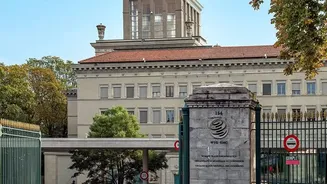
In early August, the serene grounds of the Palais des Nations, the UN's European headquarters in Geneva, welcomed new and vibrant residents. India formally gifted five young peacocks, which were received by UN Geneva Director-General Tatiana Valovaya
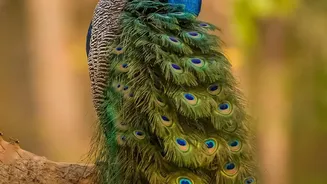
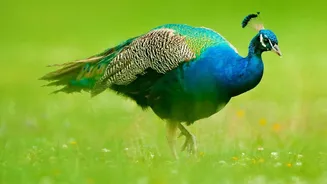
from India's Permanent Representative, Arindam Bagchi. The flock is a striking one, comprising four classic blue Indian peafowl and one rare, all-white male. Officials noted that the blue and white colouring serendipitously matches the official colours of the United Nations, adding another layer of symbolism to the gesture. The birds will initially acclimate in a temporary aviary within Ariana Park before being allowed to roam the 46-hectare estate freely.
More Than a Gift, a Legacy Renewed
This act of “peacock diplomacy” is not without precedent. The gift consciously revives a tradition started 45 years ago. In 1981, then Prime Minister Indira Gandhi sent a breeding pair of peacocks from the Delhi Zoo to the very same UN grounds in Geneva. That gesture established a connection between India's national bird and the heart of multilateralism in Europe. The recent arrival of the five new birds was framed by Indian officials as a delightful continuation of that tradition, reinforcing India's long-standing partnership with the United Nations and its commitment to international cooperation.
A Tradition Older Than the UN Itself
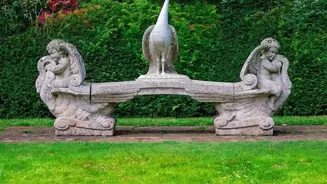
While India revived its own tradition, it also helped uphold a Genevan one that is even older than the UN itself. The story of peacocks at Ariana Park dates back to 1890. The estate's original owner, an eccentric Swiss collector named Gustave Revilliod, bequeathed the park to the city of Geneva with one non-negotiable condition: that his beloved peacocks must be permitted to roam the grounds in perpetuity. Over the decades, the flock has been a familiar sight for diplomats and visitors. However, recently, their numbers had dwindled to a single, lonely bird. India's gift, therefore, was a timely and welcome intervention, ensuring Revilliod's quirky but charming legacy continues for a new generation.
The Peacock as National Symbol
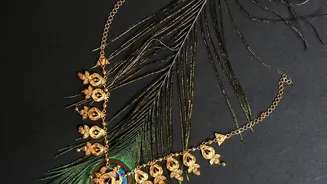
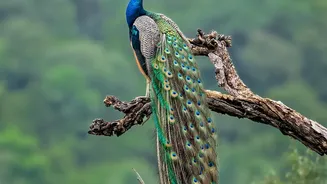
The choice of the peacock is deeply significant. Designated as India's national bird in 1963, the Indian peafowl, or Mayura in Sanskrit, is a powerful symbol of grace, beauty, and pride. Its significance is woven deeply into the fabric of Indian culture and mythology. The bird is associated with Lord Krishna, who wears its feather in his crown, and serves as the vehicle for Kartikeya, the god of war, symbolizing courage. It is also linked to Goddess Lakshmi, representing prosperity, and Saraswati, representing knowledge. Keeping peacock feathers at home is widely believed to bring good luck and ward off negative energy. By gifting its national bird, India is sharing a symbol steeped in millennia of cultural reverence.
The Art of Soft Power
This diplomatic gesture is a classic example of soft power, where cultural symbols are used to build goodwill and strengthen international ties. Rather than through force or finance, this connection is forged through a shared appreciation for nature and heritage. The Indian Mission in Geneva noted the donation reflects the country's natural heritage and underscores its partnership with the UN. For the peacocks themselves, a comfortable future awaits. Their care is being overseen by the Geneva Bioparc zoo, and after their three-month acclimatisation period, they will join a living tradition that has witnessed decades of world history unfold from the lawns of the Palais des Nations.