



What Happened on August 26
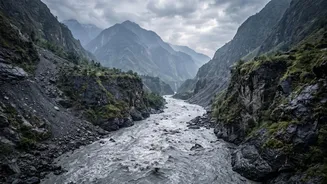
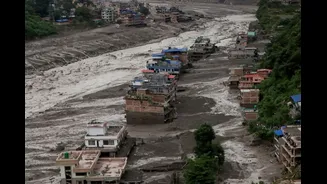
On the morning of August 26, 2026, without the warning of heavy rain, a massive torrent of debris and water surged down the Bhote Koshi River valley, crossing from Tibet into Nepal. The flood, described as a wall of water several stories high, obliterated
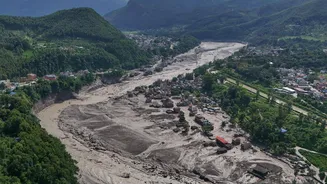
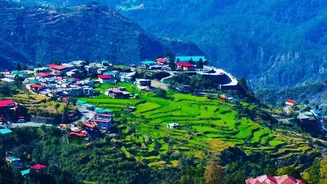
everything in its path including homes, bridges, and hydropower plants. Videos showed the horrifying speed of the event as the flow, the consistency of wet cement, swallowed buildings and roads in seconds. Initial reports indicate hundreds are dead or missing across both Nepal and China, with the death toll expected to rise significantly. Entire settlements in districts like Rasuwa and Nuwakot were inundated or destroyed, leaving a landscape caked in mud.
Anatomy of a Mountain Catastrophe
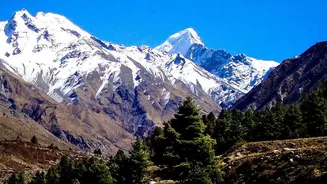
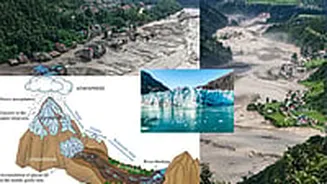
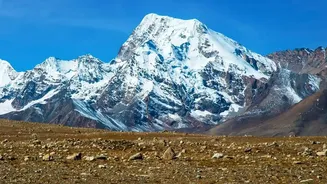
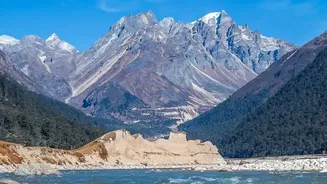
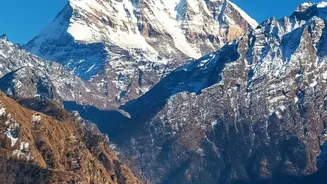
Scientists are piecing together the precise cause, but a consensus is emerging around a complex, cascading event initiated high in the mountains. Initial theories about an earthquake were revised after analysis by the U.S. Geological Survey. It now appears that a massive chunk of a glacier, along with rock from the mountainside, collapsed from Langtang Lirung peak. This ice and rock avalanche generated a seismic signature equivalent to a magnitude 5.2 earthquake. The debris likely temporarily blocked the river, allowing a massive volume of water to build up before the natural dam failed, releasing its contents in a catastrophic surge downstream. This type of event—an avalanche-triggered debris flow and flood—is different from a classic Glacial Lake Outburst Flood (GLOF), but it is just as deadly and directly linked to the same environmental stressors.
The Himalayan Climate Tinderbox
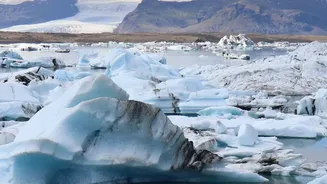
The Himalayas are often called the "Third Pole" because they hold the largest volume of ice outside the polar regions. But this region is warming at a rate faster than the global average, making its cryosphere—the frozen parts of the Earth—dangerously unstable. As glaciers melt at an accelerated pace, they not only form new, potentially unstable lakes, but the ice that once acted as a glue for steep rock faces disappears. This exposes rock to repeated freezing and thawing, which can weaken it, making massive landslides and glacier collapses more likely. Scientists have been warning that climate change is increasing the frequency and intensity of these high-mountain hazards. What happened in Nepal is being called “the new normal” by some experts, a tragic manifestation of a long-predicted crisis.
A Shared Threat Across Borders
This disaster originated near the Nepal-Tibet border and cascaded downstream, highlighting that mountain hazards do not respect international boundaries. The rivers fed by Himalayan glaciers are the lifeline for nearly two billion people across Asia, including vast populations in India, Pakistan, and Bangladesh. The Indus, Ganga, and Brahmaputra river systems all rely on glacial melt. The increasing instability in the high Himalayas therefore poses a direct threat to water security, food production, and energy infrastructure for hundreds of millions of people downstream in India. An increase in catastrophic floods in the short term, followed by diminished water flows in the long term as glaciers disappear, presents a dual crisis for the entire region.