





An Unplanned Collision Course
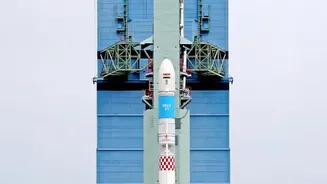
The story begins not with a bang, but with a calculation. In early 2026, independent astronomers tracking objects in space noticed something unusual: a four-tonne piece of space junk on an unavoidable collision course with the Moon. The object was the upper
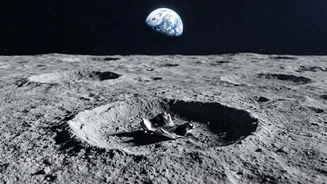
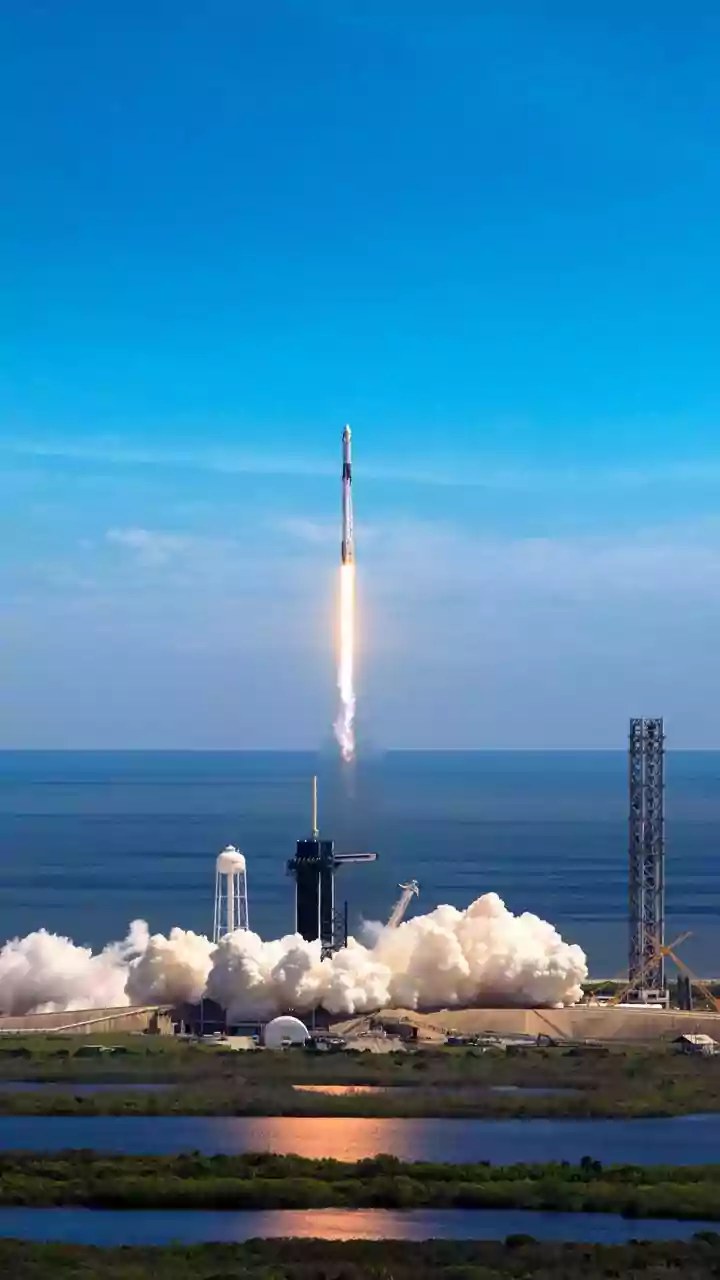
stage of a SpaceX Falcon 9 rocket. It had completed its mission in January 2025, successfully deploying two lunar landers. After releasing its payload, the spent booster was left in a high, chaotic orbit around Earth. Over the next year and a half, the combined gravitational pulls of the Earth, Sun, and Moon, along with the gentle push of solar radiation, nudged the derelict rocket stage out of its Earth orbit and sent it hurtling toward the Moon. On August 5, 2026, travelling at over 8,500 kilometres per hour, the 4.4-ton booster slammed into the lunar surface, carving a new crater.
Confirming the Impact
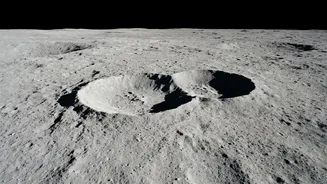
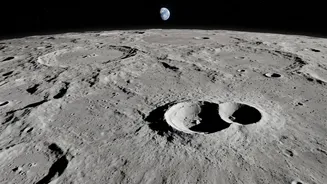
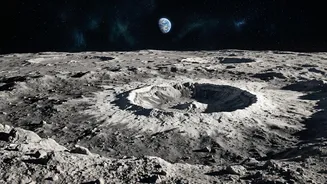
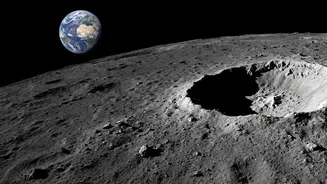
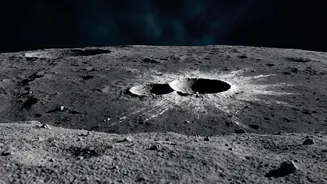
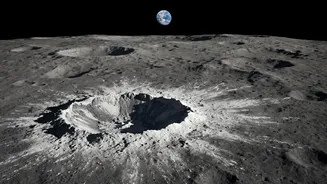
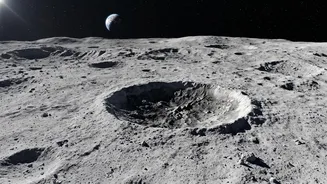
The impact itself was not visible from Earth, but its aftermath was eagerly anticipated. Scientists had a good idea of where the rocket would hit, and several orbital assets were ready to look for the evidence. South Korea’s Danuri lunar orbiter was the first to capture an image of the new, blackened scar. A few days later, between August 11 and 12, NASA's Lunar Reconnaissance Orbiter (LRO) swept over the site. By comparing new images with photos taken of the same area before the crash, scientists confirmed the location of a fresh crater. The new feature is estimated to be about 60 feet (18 metres) wide and less than 10 feet deep. The impact kicked up a spray of lunar soil, or regolith, creating distinctive streaks around the crater that helped scientists analyze the composition of the material just below the Moon's weathered surface.
Not the First, But a Sign of a Growing Problem
This isn’t the first time human-made debris has hit the Moon. During the Apollo era, upper stages of the massive Saturn V rockets were intentionally crashed into the surface to help calibrate seismometers left by astronauts. However, those were controlled events. This Falcon 9 impact was an accident, a piece of hardware lost and then tracked to its final, destructive resting place. It highlights a much larger issue: the growing cloud of space junk. Low Earth Orbit is already considered the world's largest garbage dump, containing millions of pieces of debris from defunct satellites and old rocket parts. While much of the focus has been on debris around Earth, this lunar impact demonstrates that the problem extends much further. As more government agencies and private companies launch missions to the Moon and beyond, the potential for leaving more uncontrolled junk in deep space grows.
A Wake-Up Call for a New Space Age
Experts see this event as a crucial wake-up call. While this single impact caused no real harm, it underscores the lack of international rules or regulations for disposing of rocket bodies in deep space. Most regulations focus on mitigating debris in Earth's orbit to protect active satellites, which are vital for everything from GPS to weather forecasting. But there are no binding agreements on what to do with hardware that travels to the Moon or further. The concern is that as lunar missions become more common, the orbital environment around the Moon could also become cluttered and hazardous. Incidents like this one are forcing a conversation about responsible space use. Ensuring the long-term sustainability of space exploration will require not only innovative engineering but also robust international cooperation to keep our cosmic backyard clean. The crater left by the Falcon 9 is more than just a hole; it's a permanent mark of our presence, and a question about our future.