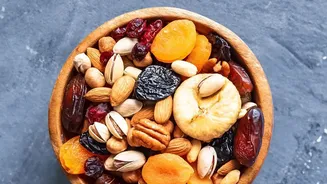









The Sweet Rise to Fame
It seems like dates are everywhere lately. Once relegated to holiday fruitcakes, they are now the star ingredient in everything from vegan desserts and protein bars to homemade 'dateorade' energy drinks. This surge in popularity is driven by a collective
shift towards whole foods and natural sweeteners. Consumers are increasingly wary of refined white sugar and artificial alternatives, creating a perfect opportunity for the humble date to shine. With their natural, caramel-like sweetness and chewy texture, dates provide a satisfying alternative that also comes with a halo of health, being a whole, unprocessed fruit.
A Nutritional Powerhouse
The health claims are not without merit. Dates are packed with beneficial nutrients. They are an excellent source of dietary fibre, which is crucial for digestive health and can help you feel full for longer. They are also rich in essential minerals like potassium, which supports heart function, and magnesium, which is vital for energy production and muscle function. Furthermore, dates contain a variety of antioxidants, such as flavonoids and carotenoids, which help protect your cells from damage. This impressive nutritional profile makes them far superior to 'empty calorie' sweeteners like table sugar.
The Other Side of the Sweetness
Despite their nutritional benefits, dates are a concentrated source of sugar and calories. A single Medjool date contains around 66 calories and 16 grams of sugar. While this is natural fruit sugar (fructose and glucose), and it comes packaged with fibre that slows its absorption, it's still a significant amount. Overindulging can lead to a high calorie intake, which may contribute to weight gain, and can cause blood sugar spikes, particularly if eaten alone. For individuals monitoring their blood sugar, like those with diabetes, it's especially important to be mindful of how many dates they consume.
Finding the Right Balance
So, how many dates are too many? Most nutrition experts recommend a portion size of about two to four medium-sized dates per day. This serving provides a good dose of nutrients and a quick energy boost without overloading you with sugar and calories. One practical tip is to pair dates with a source of protein or healthy fat, such as a handful of nuts or a dollop of yogurt. This combination further slows down sugar absorption, leading to a more stable release of energy and helping you feel more satisfied.
Enjoying Dates Mindfully
Incorporating dates into your diet sensibly is easy. Instead of snacking on them endlessly from the bag, use their potent sweetness strategically. Blend one or two into a smoothie to replace other sweeteners. Chop a couple into your morning oatmeal or a savoury salad for a surprising pop of flavour. You can also stuff them with almonds or goat cheese for a perfectly portioned, balanced snack. Using dates as a key ingredient in dishes, rather than as a standalone binge-worthy treat, allows you to enjoy their unique flavour and nutritional benefits without going overboard.