

A More Curious Palate
For decades, international cuisine in India was largely defined by a handful of favourites. However, a significant shift is underway, driven by a generation of Indians with a more globalised perspective. Increased travel, the explosion of food-focused
social media, and the immense popularity of K-dramas and Japanese anime have opened up a world of new tastes. This cultural exposure has cultivated a widespread curiosity for flavours that were once considered niche. As a result, diners are no longer just looking for familiar comfort food; they are actively seeking novel and adventurous dining experiences, pushing restaurants and home cooks to innovate. The demand for Korean food, for example, has surged dramatically, with online orders growing over 50% year-on-year in recent periods, even in non-metro cities.
The Art of Selective Blending
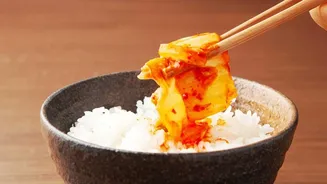
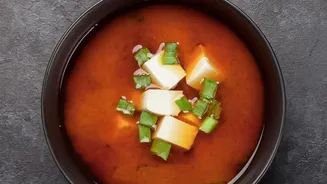
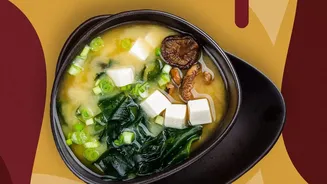
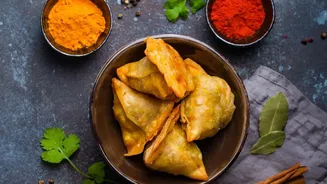
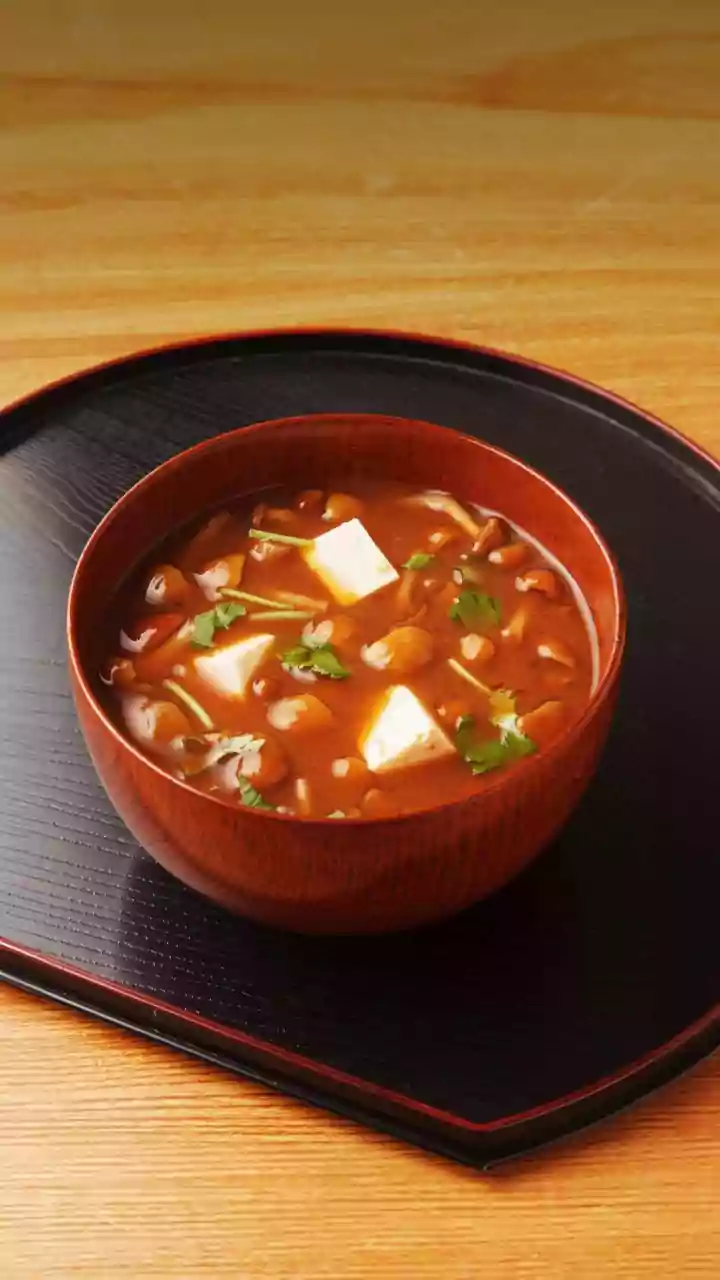
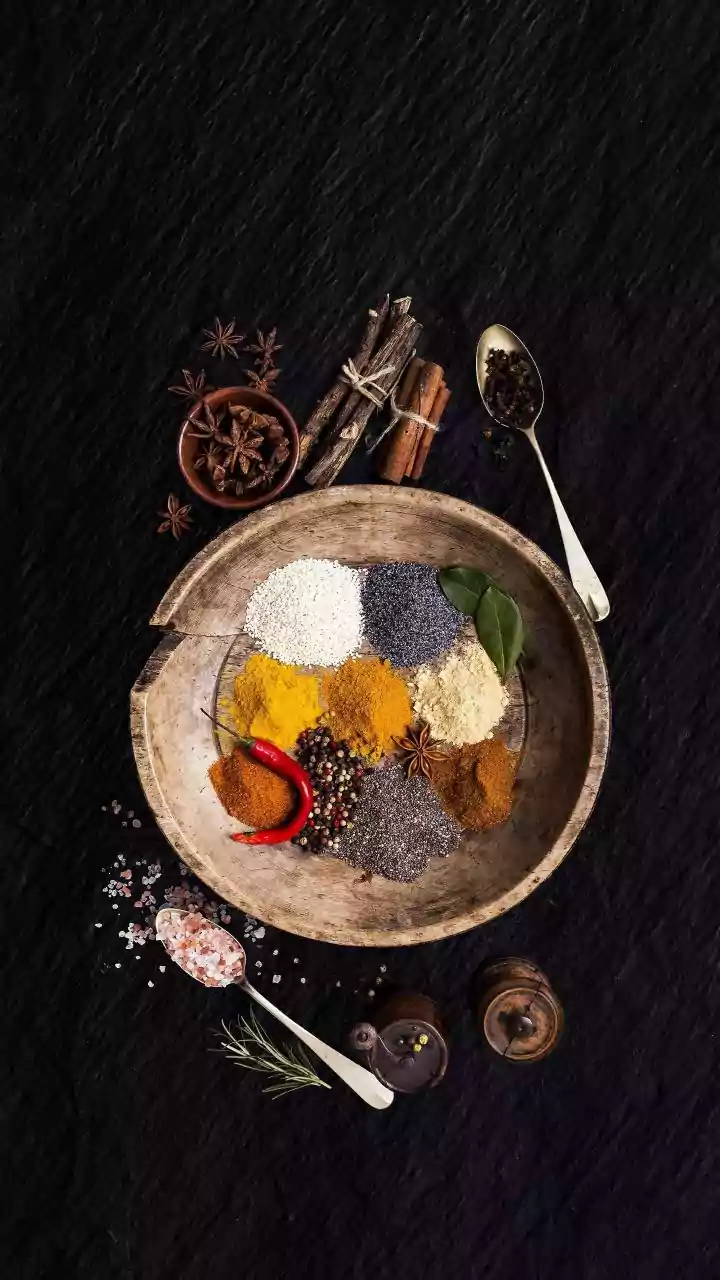
This new wave of fusion isn't about haphazardly mixing ingredients. The key is in the word “selectively.” Chefs are thoughtfully identifying points of harmony between cuisines. Both Indian and Korean kitchens, for instance, share a deep love for bold, spicy, and fermented flavours. This makes ingredients like gochujang (Korean chili paste) a natural partner for Indian marinades. Similarly, the Japanese ingredient miso, a fermented soybean paste, brings a profound umami depth that can elevate a simple lentil dal or a traditional khichdi into something extraordinary. In the case of Mediterranean food, the similarities are even more established, with a shared emphasis on fresh vegetables, flatbreads like pita and naan, and even certain spices, making the fusion almost intuitive. Chefs are creating dishes like kimchi-infused chicken curry, paneer tikka in gochujang, and using za'atar on Indian breads, demonstrating a careful and creative blending process.
Chefs and Restaurants Leading the Way
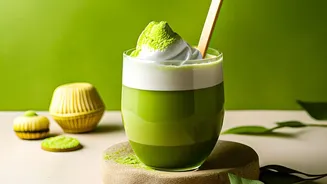
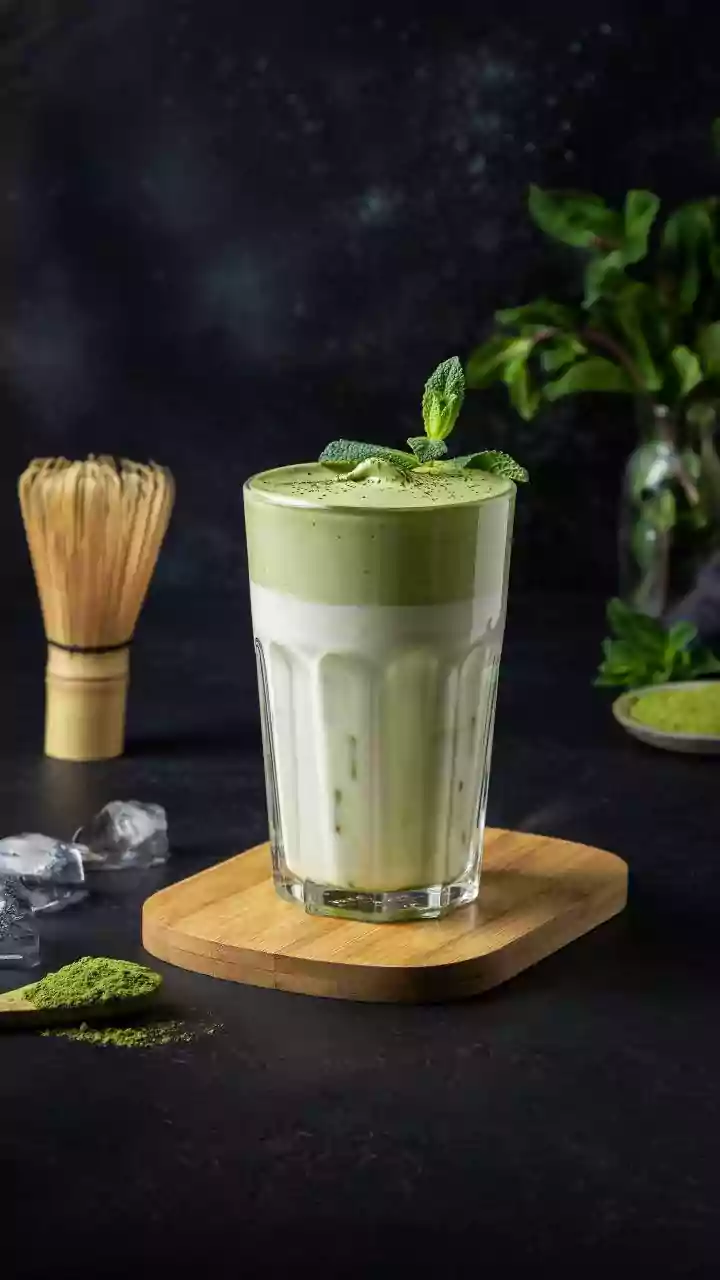
This trend is being championed by innovative chefs across the country. In fine-dining establishments, you might find a classic Indian dish deconstructed and presented with Japanese techniques, or a Mediterranean-inspired lamb kebab made with a secret blend of Indian spices. But this movement is not confined to high-end restaurants. Casual cafes are serving up Korean-style fried chicken with Indian spices, and Japanese-inspired bakeries are creating matcha-infused desserts alongside traditional favourites. Some chefs are even creating entirely new concepts, like Korean-Indian restaurants that celebrate the surprising compatibility of the two cuisines with dishes like short rib biryani or meen polichattu (spiced fish) enhanced with gochujang. This adaptability ensures the trend is accessible, from street food stalls offering Mexican bhel to cloud kitchens delivering modern Indian fusion bowls.
From Restaurant Menus to Home Kitchens
Perhaps the most telling sign of this trend's staying power is its entry into Indian homes. What starts in restaurants often finds its way into the domestic kitchen, and this is no exception. Key international ingredients like Japanese miso, Korean gochujang, and various Mediterranean herbs and spices are increasingly available in local supermarkets and online stores. Inspired by food bloggers and viral social media videos, home cooks are experimenting with these new flavours. They're adding a spoonful of miso to their vegetable stir-fries, marinating chicken in a blend of yogurt and gochujang, or sprinkling za'atar over a homemade pizza. This grassroots adoption is a clear indicator that these flavours are not just a passing fad but are being integrated into the very fabric of modern Indian cooking.