





Beyond the 'Green' Label
The term 'greenwashing' has become common in travel, where destinations and companies use eco-friendly language to attract conscious consumers without making real changes. It’s the hotel that asks you to reuse towels but has no meaningful waste reduction
policy, or the tour advertised as 'eco' with no tangible community benefits. This superficial approach can mislead travellers and undermine genuine sustainability efforts. However, Kerala has moved decisively beyond this, embedding a philosophy of 'Responsible Tourism' (RT) into its state policy. Launched in 2017, the Responsible Tourism Mission is built on a “triple bottom-line” principle: economic responsibility to the local community, social responsibility to the people, and environmental responsibility to the planet. This framework ensures that tourism is not just about attracting visitors, but about creating a more equitable and resilient local economy.
Putting People First: A Community-Centric Model
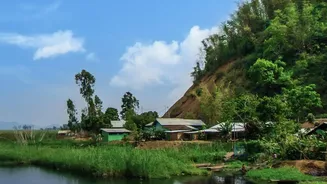
At the heart of Kerala's strategy is a simple but powerful idea: the local community must be the primary beneficiary of tourism. Instead of being passive spectators, residents are active participants. The RT Mission has focused on connecting the tourism industry directly with village life. This includes everything from hotels sourcing their produce from local farmers to promoting homestays that offer travellers an authentic glimpse into Kerala life. The result is that tourism revenue stays within the community, providing livelihoods for artisans, farmers, guides, and small-scale entrepreneurs. In destinations like Kumarakom, which served as a successful pilot for the project, this model has been recognized globally for its effectiveness in empowering locals.
Empowering Women and Preserving Culture
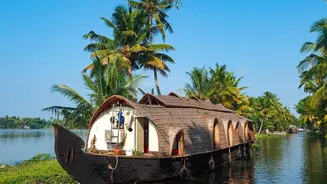
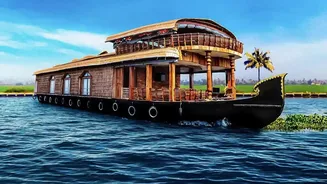
A key pillar of the RT Mission is its focus on women's empowerment. The program actively encourages the formation of women-led enterprises, from catering units that supply traditional meals to houseboats, to artisan groups selling local handicrafts. This not only provides economic independence but also gives women a leadership role in shaping their local tourism landscape. Furthermore, the mission places a strong emphasis on cultural preservation. By creating 'Village Life Experience' packages, tourists can engage directly with traditional art forms, local cuisine, and heritage practices. This ensures that cultural traditions are not just preserved but are celebrated as a living, breathing part of the travel experience, preventing them from becoming commercialized caricatures.
The Environment as a Shared Responsibility
While the focus extends beyond just being 'green', environmental protection remains a core component. Kerala’s approach, however, treats conservation as a shared responsibility rather than a top-down mandate. Initiatives like declaring bird sanctuaries as plastic-free zones, organizing mangrove regeneration campaigns, and promoting eco-friendly building practices are often implemented in collaboration with local communities. Thenmala, recognized as India's first planned ecotourism destination, exemplifies this by linking environmental protection with local livelihood enhancement. By involving the community, the state ensures that the people who live in and depend on the environment have a vested interest in protecting it, creating a more sustainable and lasting impact.
How Travellers Can Participate
This model thrives on the participation of conscious travellers. Supporting Kerala’s vision is straightforward and deeply rewarding. Opting for a homestay provides direct income to a local family and offers a uniquely authentic experience. When booking tours, look for operators that are part of the Responsible Tourism network and offer community-based activities like village walks or craft workshops. Purchasing handicrafts directly from artisans, eating at local food stalls, and being mindful of waste are all small actions that contribute to the larger goal. By making these choices, travellers move beyond being mere consumers and become active partners in a more sustainable and equitable form of tourism.