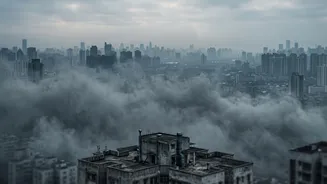








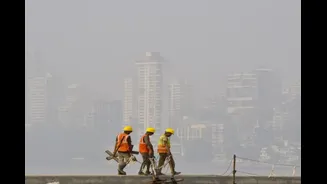
The Annual Smog Blanket Returns
As of Friday, October 23, Delhi's air quality has deteriorated significantly, with the Air Quality Index (AQI) surging past 300 into the 'Very Poor' category. This sharp decline comes just days after the season's first 'Poor' air day was recorded on October 21,
prompting authorities to implement Stage 1 of the Graded Response Action Plan (GRAP). These measures, which include intensified road sweeping and dust control, are an attempt to manage the inevitable winter pollution crisis. However, with PM2.5 levels climbing, the familiar debate about health risks has once again become urgent for millions of residents.
More Than Just a Cough
While itchy eyes and coughing are the most immediate symptoms of bad air, the real danger lies in the microscopic particles known as PM2.5. These fine particulates, less than 2.5 micrometers in diameter, are so small they can bypass the body's natural defences, penetrating deep into the lungs and entering the bloodstream. This is where the damage begins. Short-term exposure is linked to increased hospital admissions for heart and lung issues, asthma attacks, and bronchitis. But recent research is painting an even more alarming picture of the long-term consequences, moving the conversation far beyond just respiratory ailments.
From Lungs to the Entire Body
Once in the bloodstream, PM2.5 particles circulate throughout the body, causing systemic inflammation and oxidative stress. This process is now linked to a frightening array of non-respiratory diseases. A major 2026 review found that long-term exposure to PM2.5 increases the overall risk of cancer by 11%. The World Heart Federation has highlighted evidence associating prenatal air pollution exposure with a higher risk of congenital heart disease. Other recent studies have uncovered links between air pollution and an increased risk of Parkinson's disease, dementia, bone density loss in women, glaucoma, and cataracts. This growing body of evidence reframes air pollution as a multi-organ threat that impacts nearly every system in the human body.
The Invisible Risk to Children
Children are uniquely vulnerable to the effects of air pollution. Because they breathe more air relative to their body weight and their lungs are still developing, the damage can be more profound and permanent. Research in India has shown that polluted air affects lung growth, with children in high-pollution areas having lower lung capacity. The harm extends to the brain, with studies linking exposure to developmental delays, impaired cognitive function, and even lower IQ scores. A study in Odisha found a nearly 20-point difference in the average IQ of children from low-pollution areas compared to those in high-pollution zones. Exposure in early life has also been linked to stunting and being underweight, making air quality a critical factor in child development.
An Inescapable National Crisis
The situation in Delhi is a symptom of a larger national issue. India is one of the world's most polluted countries, with a 2025 report ranking it sixth globally. In 2023, air pollution was attributed to over 2 million deaths in India, accounting for more than a quarter of the global total. Reports from the State of Global Air and the Air Quality Life Index consistently highlight the immense burden of disease and reduced life expectancy caused by the air that Indians breathe. While government initiatives like the National Clean Air Programme (NCAP) are in place, their effectiveness remains a subject of intense debate as cities across the Indo-Gangetic plain continue to battle hazardous air each winter.