

The Allure of Earth's Power
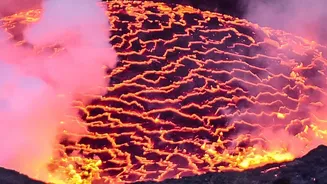
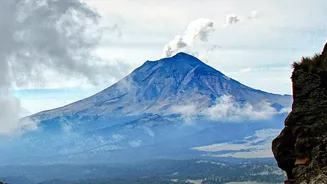
There is something primeval about witnessing a volcano. Whether it’s the glowing lava fields of Iceland, the ash-dusted slopes of Mount Etna in Italy, or the vast craters of Hawai'i Volcanoes National Park, these geological wonders offer a front-row seat
to the planet's creation. It’s no surprise that volcano tourism is a booming industry, fueled by a desire for thrilling experiences and otherworldly landscapes. For many, it's a chance to feel the power of Mother Earth and see landscapes that are constantly being reborn. These tours often involve guided hikes, stops at designated overlooks, and expert commentary on the geology and history of the area, turning a simple viewing into a rich, educational experience.
Scenery vs. Spectacle-Chasing
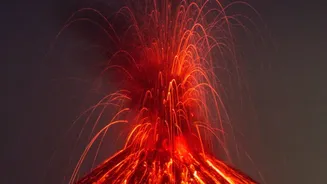
A reputable volcano tour is fundamentally a scenic and educational experience. It focuses on observing volcanic landscapes from a safe, calculated distance. This might involve hiking on dormant sections of a volcano, visiting established observation points, or taking a boat tour to see coastal formations. The key is that these are structured activities managed by professionals who monitor conditions daily. In contrast, "eruption-chasing" has become a dangerous trend, partly fueled by social media. This involves tourists flocking to the site of a fresh eruption, often ignoring official warnings and entering restricted zones to get a dramatic photo or video. This behaviour not only puts the individual at risk but can also strain local emergency services. True volcano tourism is about appreciation from a safe distance, not chasing danger for a thrill.
The Unseen and Unpredictable Dangers
The dangers of getting too close to an active volcano are numerous and often invisible. Toxic gases like sulfur dioxide can be released, posing a severe risk to anyone with respiratory issues and causing harm even to healthy individuals. The ground itself can be unstable, with a thin crust of new lava hiding extreme heat underneath or cliffs that can collapse without warning. And then there's the most catastrophic risk: a sudden, explosive eruption. The 2019 tragedy at Whakaari/White Island in New Zealand, where an unexpected eruption killed 22 people on a tour, serves as a grim reminder that even well-known sites can be unpredictable. Pyroclastic flows—fast-moving clouds of hot gas and volcanic matter—are lethal and leave no time for escape.
How to Choose a Responsible Tour
Ensuring your volcanic adventure is safe starts with choosing the right operator. A responsible tour company will always prioritize safety over spectacle. Before booking, ask questions. What are their safety procedures? Are their guides certified? How do they monitor volcanic activity levels? Reputable operators will consult official information from local geological observatories daily and will not hesitate to cancel tours if conditions are deemed unsafe. Be wary of unregistered guides or anyone promising to take you into a closed area. Always check official sources, respect all posted warnings and restricted zones, and never cross a safety barrier. Your safety is your own responsibility, and a good tour operator will empower you with the information to make smart choices.
Global Hotspots for Safe Viewing
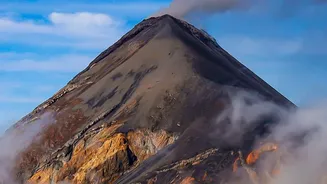
The good news is that there are many places around the world where you can experience volcanoes safely. In Hawai'i Volcanoes National Park, rangers provide guidance and marked trails allow for spectacular views of Kilauea from a distance. In Iceland, authorities manage access to eruption sites like Fagradalsfjall, creating safe viewing paths when possible. In Guatemala, guided overnight hikes to the Acatenango volcano allow you to watch the neighbouring Fuego volcano erupt from a safe distance, a testament to how managed risk can create an unforgettable experience. These destinations prove that you don’t have to take reckless risks to witness one of nature’s greatest shows. The most rewarding experiences are often those that are enjoyed responsibly.