






The Post-Meal Walk: A Blood Sugar Regulator
The magic of a post-meal walk lies in its timing and its targeted effect on your metabolism. After you eat, your body converts carbohydrates into glucose, causing your blood sugar levels to rise. For many, especially those at risk for or managing diabetes,
these spikes can be problematic. This is where a short, brisk walk comes in. Physical activity helps your muscles pull glucose from the bloodstream for energy, a process that doesn't entirely depend on insulin. Research shows that even a walk as short as five to 15 minutes, taken within 60 to 90 minutes of eating, can significantly blunt that post-meal glucose spike. This simple habit helps stabilize your blood sugar, preventing the sharp peaks and subsequent crashes that can affect your energy and long-term health. It’s a low-intensity tool used for a very specific and immediate metabolic benefit.
The Cycling Workout: A Cardiovascular Engine
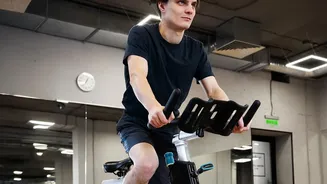
A longer cycling workout, by contrast, is a different beast altogether. This is your tool for building robust, long-term cardiovascular fitness. Activities like cycling are considered aerobic exercises, meaning they get your heart pumping faster, improve circulation, and give your heart and lungs a sustained workout. This type of exercise strengthens the heart muscle, can help lower your resting heart rate, and reduces blood fat levels over time. A 30 to 60-minute bike ride burns a significant number of calories, making it effective for weight management, and builds muscular endurance, particularly in your legs. Unlike the immediate, glucose-managing effect of a post-meal walk, the primary benefits of cycling are foundational, contributing to your overall fitness, stamina, and reducing the risk of chronic cardiovascular diseases.
Different Goals, Different Tools
Thinking of these two activities as competitors is a mistake; they are specialists in different fields. A post-meal walk is a tactical move designed to manage an immediate physiological event: the influx of glucose after a meal. Its goal is regulation and stability. It's not primarily about burning a massive number of calories or building peak athletic performance. A sustained cycling session is a strategic investment in your body's infrastructure. Its goal is to build capacity, strength, and endurance. You wouldn't use a screwdriver to hammer a nail, and you wouldn't use a short walk to train for a marathon. Choosing the right tool depends on your goal. Are you looking to manage your immediate metabolic response to dinner? Go for a walk. Are you aiming to improve your heart health and build overall fitness? A cycling session is the better choice.
How to Make Them Work Together
The most effective approach to fitness involves using both tools in a complementary way. A daily 15-minute walk after your main meal can become a simple, powerful habit for metabolic health. This doesn't replace the need for more structured cardiovascular exercise. Aim to schedule two or three longer, moderate-intensity workouts—like cycling, jogging, or swimming—into your week to build your fitness base. On days you do a longer workout, you can still benefit from a short walk after eating. One is for maintenance and regulation, the other is for building and strengthening. By combining the immediate benefits of post-meal walking with the long-term gains of aerobic training, you create a well-rounded routine that addresses both daily metabolic fluctuations and foundational cardiovascular health.