





From Novelty to Necessity
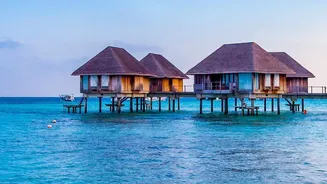
The overwater bungalow was born not from luxury, but from a clever solution. In the 1960s, a trio of American expatriates in French Polynesia needed to expand their hotel on Raiatea, an island with little sandy beach. Inspired by local fishing huts, they
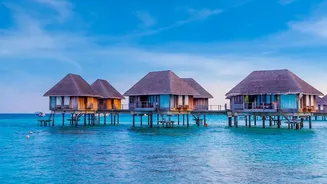
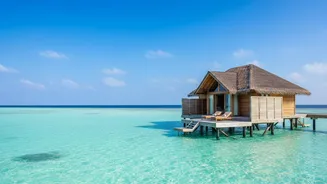
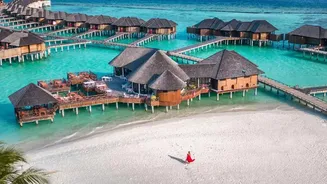
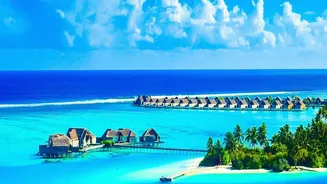
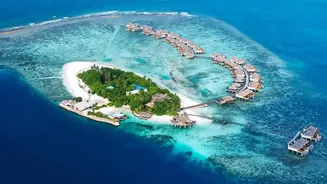
built rooms on stilts over the coral reef, giving guests direct access to the water. This accidental innovation was a hit, and the concept spread globally, especially to the Maldives, which now hosts the majority of the world's overwater villas. For years, the formula was simple: a beautiful room, a private deck, and stairs leading into the sea. Glass floor panels, affectionately nicknamed 'Tahiti TV', became a signature feature. The villa itself was the destination. But as these bungalows became standard fare for any high-end tropical resort, simply being over the water was no longer enough to stand out.
The Shift to Experience-Led Luxury
Today's affluent traveller is driven by a new desire: collecting experiences, not just things. The focus has shifted from passive indulgence to active, meaningful engagement. This change has profoundly impacted luxury hospitality, forcing resorts to rethink their offerings. It’s no longer about the size of the suite or the thread count of the sheets alone. Guests now ask sharper questions: How healthy is the house reef? Can I join a marine conservation project? What unique cultural interactions are available? In response, the overwater villa is being reimagined. It's transforming from a self-contained sanctuary into a launchpad for adventure, connection, and personal enrichment. The villa isn't just a place to sleep; it's the gateway to the destination itself.
The Villa as a Private Playground
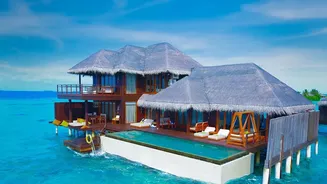
The most visible evolution is in the villa's design, which now prioritises fun and immersion. Private waterslides curving from the top deck directly into the lagoon, pioneered by brands like Soneva, have become an iconic feature. Retractable roofs that slide open above the master bed allow for stargazing without leaving your room. Expansive multi-level decks feature private infinity pools that merge with the horizon, overwater hammocks for serene relaxation, and outdoor showers. Inside, massive glass floors provide a constant connection to the marine life below. Some villas even boast two-story layouts, private butlers, and dedicated chefs, turning the accommodation into a full-service private resort.
Deeper Connections and Sustainability
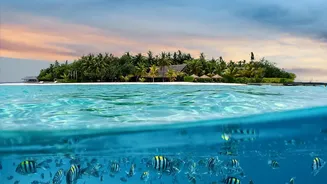
Beyond architectural bells and whistles, the new generation of overwater villas fosters a deeper connection with the environment. Many leading resorts are now deeply involved in marine conservation, with on-site biologists leading guided snorkelling tours directly from villa steps. The luxury is not just seeing the reef, but understanding it. Sustainability has also become a core principle. Architects are designing 'floating' villas that have a lighter footprint on the seabed compared to traditional stilted structures. There's a greater emphasis on using local, sustainable materials and implementing eco-friendly technologies. Some resorts are even using 3D-printed coral panels to help regenerate reefs beneath the villas. This approach allows travellers to feel that their stay contributes to the preservation of the pristine environments they've come to enjoy.