




The Story So Far: A Tale of Two Reports
The controversy began with a news report from 'The Bhutanese', claiming the Himalayan kingdom had declined offers from Indian Oil Marketing Companies (OMCs) to supply E20 petrol. The report cited significant concerns from Bhutanese officials about their
country's ageing fuel storage infrastructure, which they feared was not equipped to handle ethanol-blended petrol. They pointed to ethanol's hygroscopic nature—its tendency to absorb moisture—which could lead to fuel contamination and engine issues, a major risk in Bhutan's mountainous terrain where vehicle performance is critical. This story was quickly picked up in India, fueling the existing debate among consumers worried about E20's impact.
The Clarification: An Official Rebuttal
In response, India's Ministry of Petroleum and Natural Gas (MoPNG) issued a strong denial. Through a formal "Fact Check," the ministry stated that the claims were "incorrect" and clarified that "no such offer has been made by the Oil Marketing Companies (OMCs), and there is no proposal for export of E20 petrol to Bhutan." This official statement directly contradicted the narrative that Bhutan had rejected an Indian offer, reframing the situation as a non-event. The government urged the public to rely only on official information from the ministry and OMCs.
Why This Matters for Indian Drivers
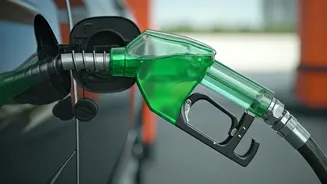
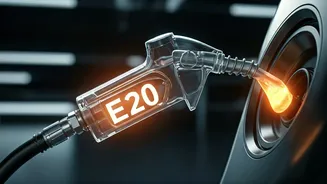
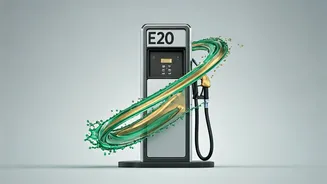
While the diplomatic back-and-forth is about a non-existent offer, the episode has struck a chord with Indian vehicle owners. The concerns reportedly raised by Bhutanese authorities mirror the anxieties of many in India. Since the nationwide rollout of E20 (a blend of 20% ethanol and 80% petrol), drivers of older vehicles—specifically those manufactured before 2023—have reported issues like decreased fuel efficiency and concerns about long-term engine wear. Ethanol can be more corrosive than conventional petrol and can affect rubber and plastic components in the fuel systems of cars not designed for it. While the government and auto manufacturers insist that E20 is safe for compatible vehicles and that extensive testing showed no major issues in older cars, public skepticism remains.
The Government’s Big Push for E20
The government's push for ethanol-blended petrol is driven by clear national priorities. The E20 programme is designed to reduce India’s heavy reliance on costly crude oil imports, lower carbon emissions, and provide a stable income source for farmers who cultivate crops like sugarcane and maize used for ethanol production. The Ministry of Petroleum and Natural Gas highlights that the programme is scientifically validated and aligns with international standards seen in countries like Brazil. It maintains that extensive testing by institutions like the Automotive Research Association of India (ARAI) found no significant engine durability or performance issues, even in older vehicles.
A Widening Communication Gap
The Bhutan episode, regardless of its factual basis, highlights a significant communication gap. The rapid spread of the initial story suggests a pre-existing environment of public concern that is quick to latch onto any negative information about E20. Even though the government debunked the specific claim about Bhutan, the underlying fears about fuel quality, vehicle longevity, and potential warranty voids persist. For many consumers, the core issue isn't a diplomatic misunderstanding but the feeling that they are being forced to use a fuel that they believe may harm their vehicles, with little recourse or clear, reassuring data.