






Meet the Late-Season Stars
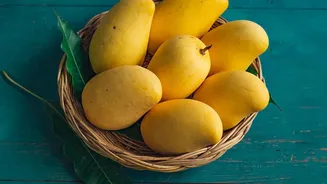
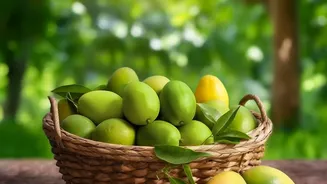
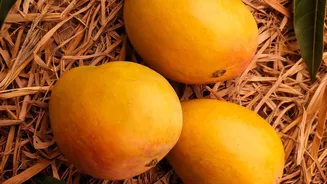
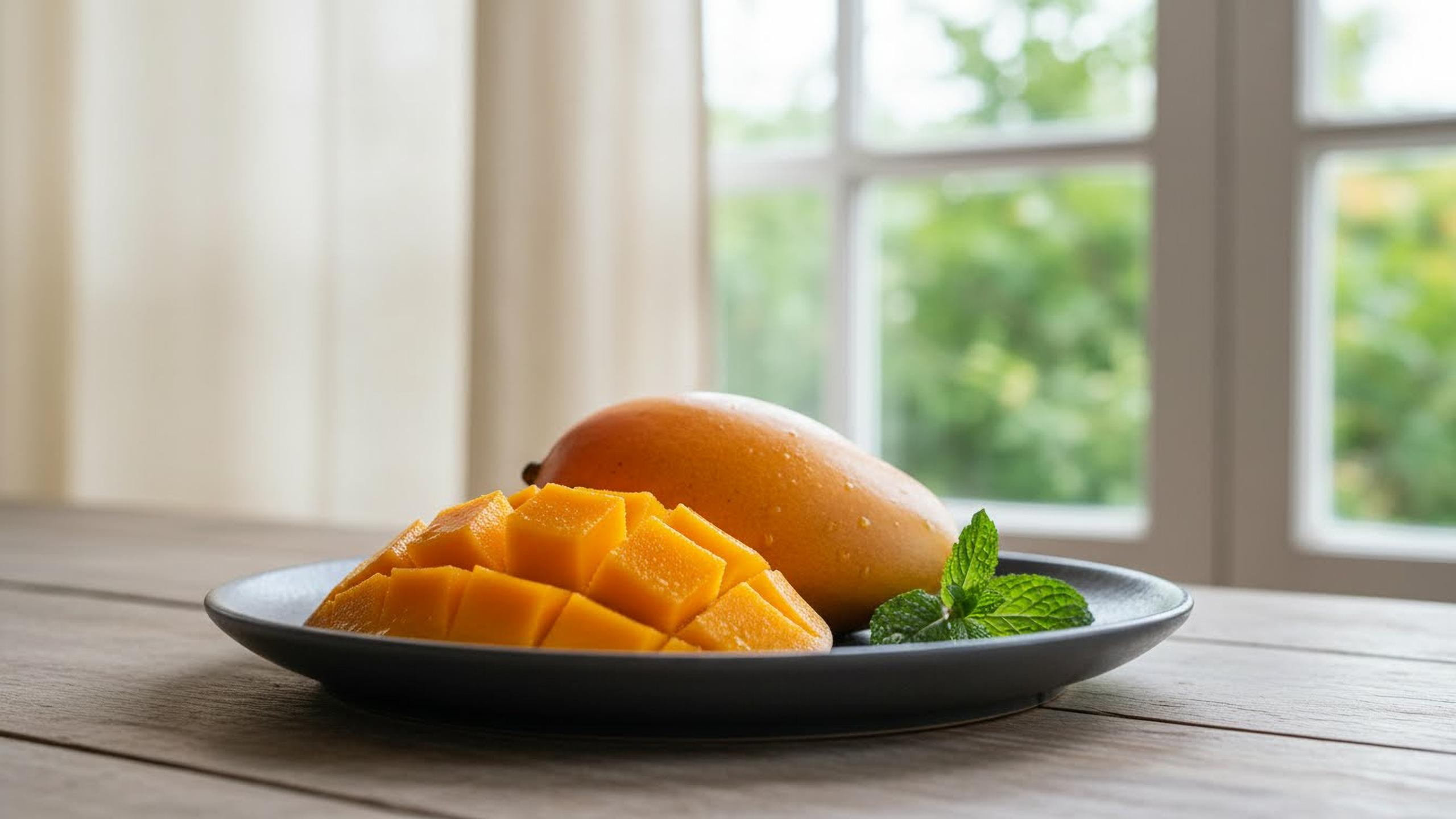
The two varieties at the heart of this new initiative are Neelam and Totapuri, both sourced from the Kolar district of Karnataka. While many famous mango varieties are harvested in the peak months of April and May, Neelam and Totapuri are late-season
gems, typically harvested from late June through July. The Neelam is prized for its sweet, juicy pulp and rich aroma, making it ideal for desserts and beverages. Totapuri, easily recognised by its distinct parrot-beak shape, offers a unique sweet-and-tangy flavour and is a favourite for making juices and pulp. Their later harvesting window provides a unique opportunity to extend India's mango export season, catering to international demand after other varieties have finished.
The Challenge of Exporting a Delicate Fruit
Exporting fresh mangoes has always been a race against time. As a highly perishable fruit with a short shelf life, any delay in transit can lead to spoilage and significant financial loss. Traditionally, this has meant a heavy reliance on expensive air freight, which can make the final product costly for overseas consumers. Furthermore, farmers often face pressure to sell their produce quickly in local markets, where a glut of supply can cause prices to crash. For Totapuri growers in Kolar, local market prices have been as low as ₹3 to ₹4 per kilogram, a devastatingly small return for a year's worth of effort. These logistical and economic hurdles have historically limited the ability of many farmers to tap into lucrative international markets.
A New Chapter in Agri-Logistics
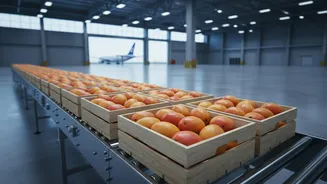
The recent breakthrough involves the first-ever dedicated air shipment of these two mango varieties directly from Karnataka to the Maldives. Facilitated by the Agricultural and Processed Food Products Export Development Authority (APEDA), this initiative represents a significant step in creating a more organised and efficient supply chain. On July 30, a one-metric-tonne consignment was flagged off, sourced directly from farmers associated with the Prakruthimaya Farmers Producer Company (FPC) in Kolar. By creating a direct corridor from the farm to the global market, the model bypasses multiple intermediaries, ensuring better quality control and a faster journey. This organised approach helps connect farmer collectives with global buyers, a crucial link for small and marginal farmers who previously lacked market access.
The Tangible Impact for Farmers
For the farmers involved, the results of this new export channel have been immediate and transformative. By selling directly for export, farmers realised over 50% higher returns compared to what they would have earned in conventional local markets. The prices fetched were dramatically different: Totapuri mangoes, which struggled to get ₹4 per kg locally, were sold for ₹30 per kg for export. The Neelam variety fetched ₹72 per kg, more than double its local market price of around ₹30 per kg. While the initial shipment of one metric tonne is a pilot, it serves as a powerful proof-of-concept. One farmer noted that this opportunity allowed him to recover 50% of the losses he had faced due to a price crash earlier in the season. This financial uplift is a critical lifeline, providing stability and incentivising quality cultivation.
A Blueprint for the Future
This initiative is more than just a single shipment; it's a potential blueprint for the future of Indian agricultural exports. The success of this air shipment, led by a woman entrepreneur from Ahalya Devi Ventures, also highlights the growing role of diverse business leaders in the agri-export space. Officials see this as a milestone that unlocks new opportunities for Karnataka's entire horticulture sector, encouraging more Farmer Producer Organisations and entrepreneurs to enter international markets. By focusing on late-season varieties, APEDA is strategically expanding India's export basket and extending the supply window for one of its most beloved products. As global demand for authentic, high-quality Indian produce grows, creating these efficient and profitable supply chains will be key to cementing India's position as a dominant force in the global fruit market.