



More Than a Buzzword
In a world full of travel trends, "sustainable" can often feel like an empty promise. But in Kerala, it’s a concrete strategy known as the Responsible Tourism (RT) Mission. Launched to connect tourism with local communities, the mission’s philosophy is simple:
tourism should benefit everyone, not just big hotels. The goal is to make sure the money you spend stays with the people who call your destination home. This model, which has won numerous global awards including from the United Nations World Tourism Organization (UNWTO), is built on three pillars: economic benefits for locals, social respect for communities, and environmental preservation. It transforms you from a mere spectator into a welcome participant in the life of the place you are visiting.
Your Trip, Their Livelihood
So, how does this directly impact you and them? It starts with where you stay and what you do. By choosing a village homestay, you’re not just getting a bed for the night; you’re experiencing genuine hospitality and your money directly supports a local family. When you eat a meal prepared by a women’s self-help group, you taste authentic, regional cuisine while empowering female entrepreneurs. The RT Mission has created a network linking tourists to a variety of local experiences. You can join a farmer for a tour of their spice plantation, learn coir-making from an artisan, or try your hand at traditional net fishing with a local fisherman. These activities aren't manufactured for tourists; they are real livelihoods that you get to be a part of, ensuring your visit has a positive, tangible economic impact.
A Deeper, More Authentic Experience
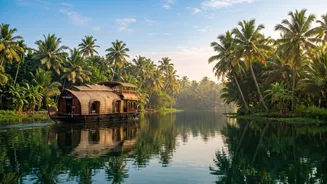
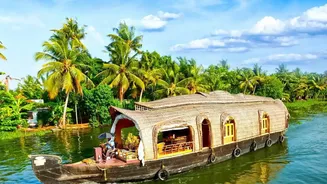
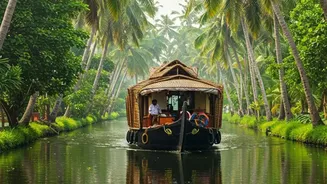
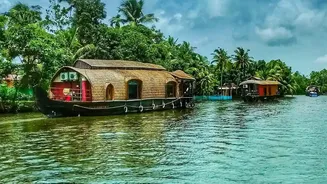
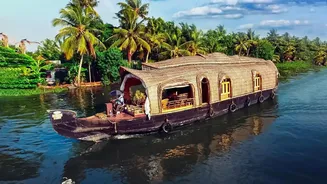
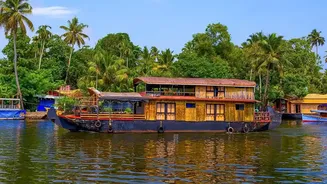
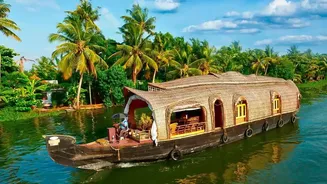
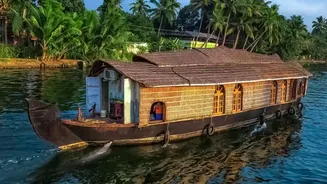
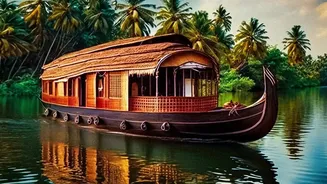
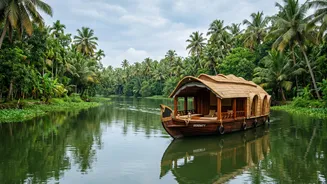
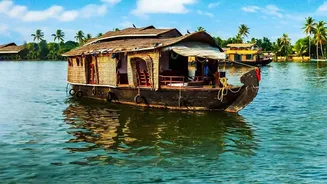
The greatest impact for you, the reader and traveller, is the shift from passive sightseeing to active, immersive experience. Instead of simply watching a Kathakali performance from a distance, the RT model encourages interactions with local artists. Instead of just cruising the backwaters on a houseboat, you can visit a village, understand its way of life, and know that environmental guidelines are in place to manage waste and reduce pollution from boats. This approach offers a richer, more memorable journey. A standout example is the STREET project (Sustainable, Tangible, Responsible, Experiential, Ethnic, Tourism hubs), which develops thematic experiences in rural areas, from Culture Streets to Cuisine Streets, taking you off the beaten path and into the heart of Kerala. This spreads the benefits of tourism beyond crowded hotspots and gives you a unique story to tell.
Preserving Paradise for Tomorrow
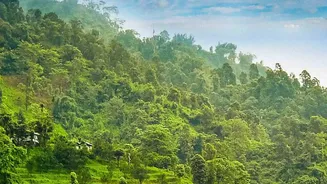
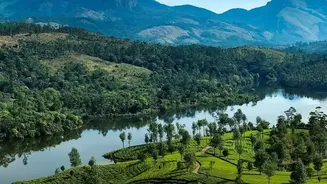
Sustainable tourism is also about protecting the very beauty you came to see. Unchecked tourism can harm delicate ecosystems, but Kerala’s model actively works to prevent this. Initiatives focus on waste management, reducing plastic, and promoting eco-friendly practices like using solar-powered boats. The award-winning Water STREET project, for instance, focused on rejuvenating canals and rivers, showing that tourism can be a force for environmental conservation. For the traveller, this means you can enjoy the pristine backwaters, lush hills, and clean beaches with the peace of mind that your visit is contributing to their preservation, not their decline. By choosing RT-certified operators, you support businesses committed to protecting Kerala's natural heritage for future generations.