

A Landmark Agreement for Deep Space
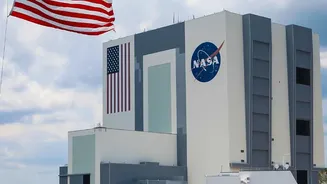
On October 8, 2026, NASA and the U.S. Department of Energy (DOE) signed a Memorandum of Understanding (MOU) titled 'Accelerating American Leadership in Space Nuclear Power and Propulsion'. This agreement establishes a formal framework for the two agencies
to collaborate on the entire lifecycle of space nuclear technology, from research and development to fuel production, testing, and mission integration. Signed by NASA Administrator Jared Isaacman and Secretary of Energy Chris Wright, the deal unites NASA's expertise in space missions with the DOE's deep knowledge of nuclear science. The partnership aims to supercharge civil space exploration, enabling more ambitious missions to the Moon, Mars, and beyond.
Why We Need Nuclear Power in Space
For decades, solar power and chemical rockets have been the workhorses of space travel. However, both have significant limitations for exploring the outer solar system. Solar panels become increasingly ineffective as a spacecraft travels farther from the sun. They are also impractical in areas with long periods of darkness, like the two-week lunar night or the permanently shadowed craters on the moon. Chemical rockets, while powerful, are limited by the amount of propellant they can carry. Nuclear power, on the other hand, offers a dense, reliable, and long-lasting energy source that operates independently of sunlight, making it ideal for deep-space journeys and powering bases on other worlds.
The Two Pillars of Space Nuclear Tech
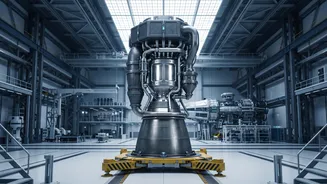
The agreement focuses on two primary types of nuclear technology. The first is nuclear fission systems, which use the energy from splitting atoms to generate electricity or create thrust. This includes Nuclear Electric Propulsion (NEP) and Nuclear Thermal Propulsion (NTP) systems that can dramatically reduce travel times for missions to Mars. The second pillar is Radioisotope Power Systems (RPS), which are not reactors. Instead, they use the heat generated by the natural decay of radioactive materials, like plutonium-238, to produce a steady supply of electricity for spacecraft systems and instruments. These 'nuclear batteries' have reliably powered iconic missions like the Voyager probes for nearly 50 years.
From Paper to Practice: Key Projects
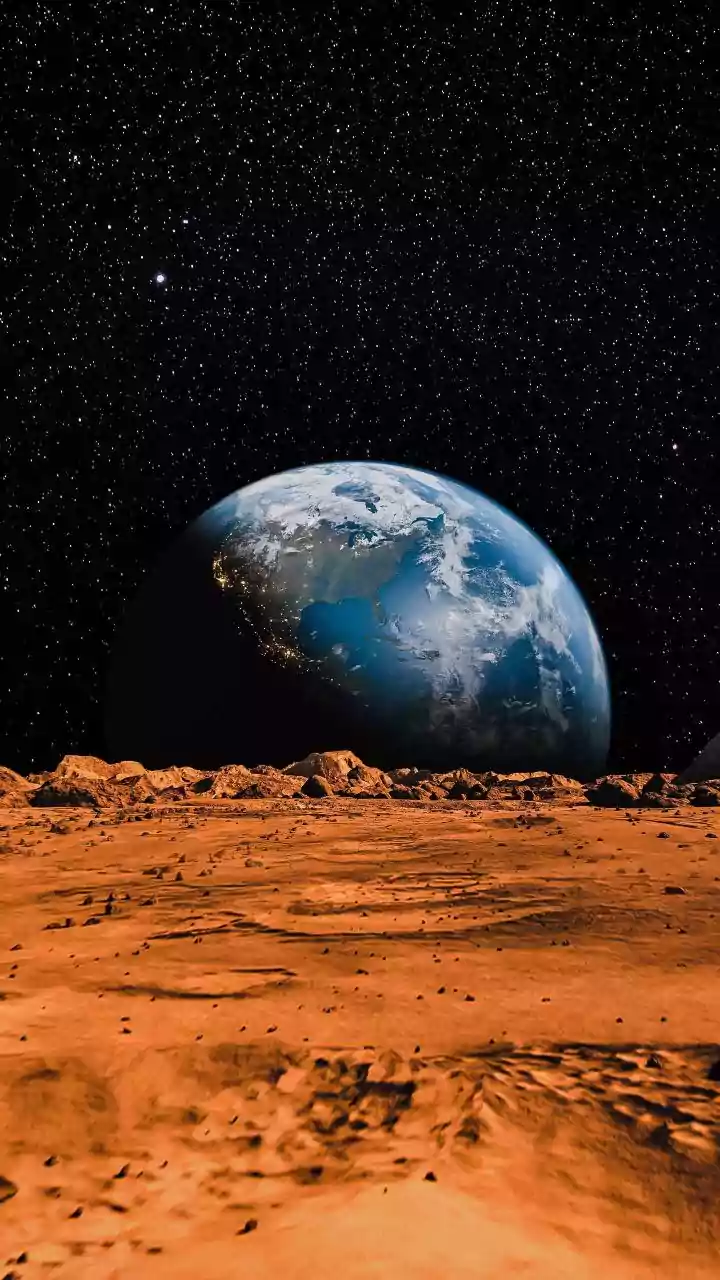
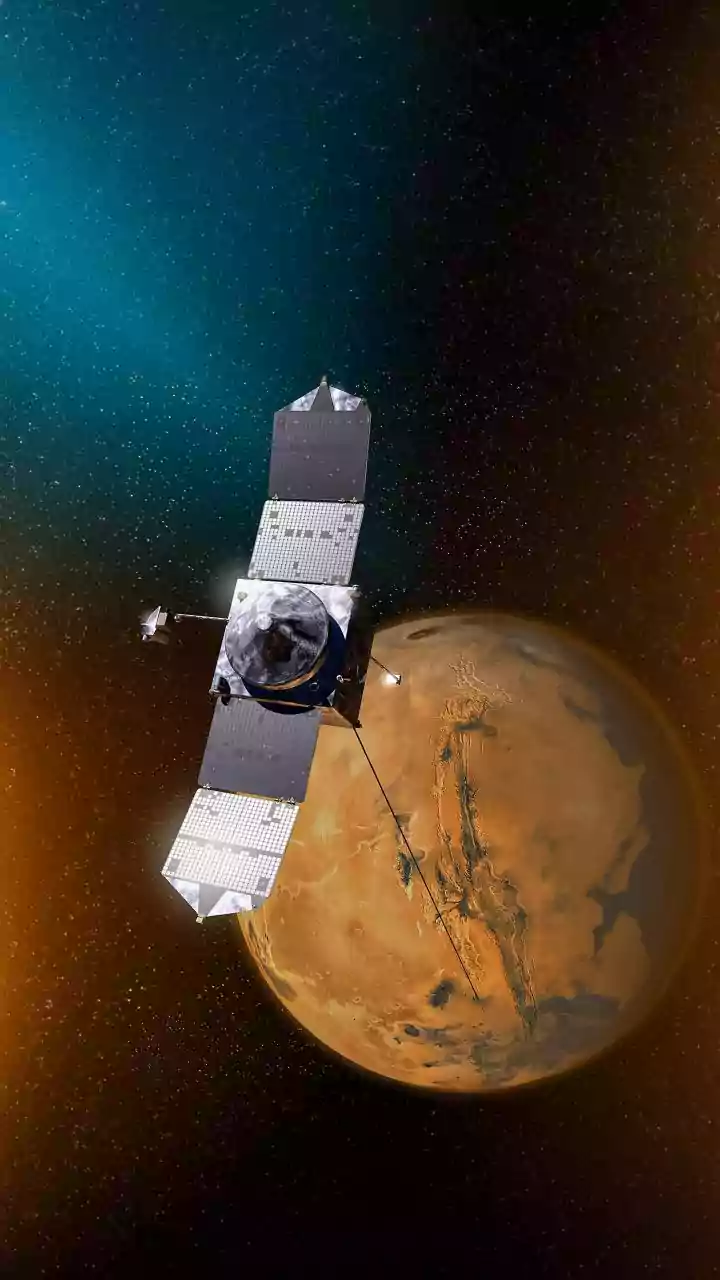
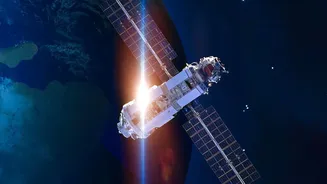
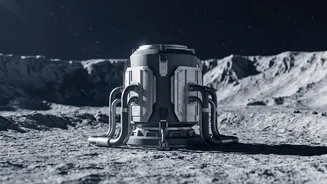
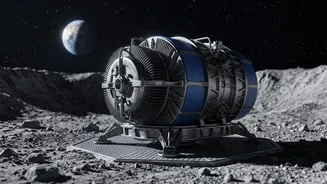
This MOU isn't just a statement of intent; it's designed to accelerate specific, high-profile projects. A key milestone is the Space Reactor-1 (SR-1) Freedom mission, a spacecraft with a fission reactor scheduled to launch in 2028 to demonstrate nuclear electric propulsion on a trip toward Mars. This mission is seen as a crucial step toward developing the Lunar Reactor-1 (LR-1), a surface fission power system intended to provide a reliable power source for a future Moon base by 2030. This lunar reactor will be essential for powering habitats, communications, and scientific equipment through the long, dark lunar nights.
A Foundation for the Future
By formalizing the roles and responsibilities between NASA and the DOE, the agreement streamlines the complex process of developing and deploying nuclear systems in space, with an uncompromising commitment to safety. The DOE will be responsible for designing, developing, and fabricating the nuclear systems, including fuel production, while NASA will handle mission authority and integration. This partnership builds on decades of collaboration and replaces previous, separate agreements on radioisotope and fission systems, creating a unified strategy. It aims to build a robust domestic industrial base for space nuclear technology, solidifying American leadership for generations to come.