




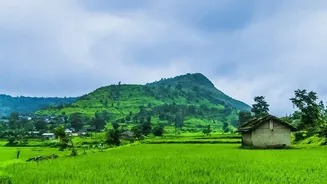
The Irresistible Monsoon Allure
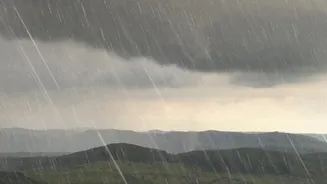
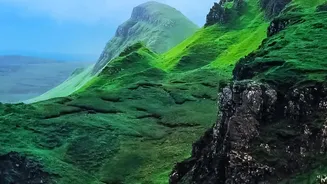
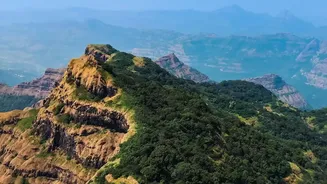
There's a reason why Bhandardardara becomes a magnet for tourists from Mumbai, Pune, and Nashik between June and September. The region transforms into a breathtaking spectacle of nature's power and beauty. The landscape, parched from the summer, comes alive
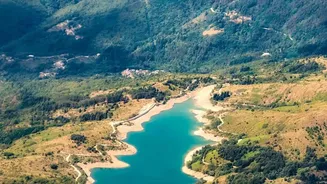
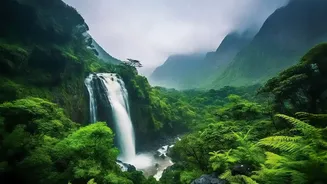
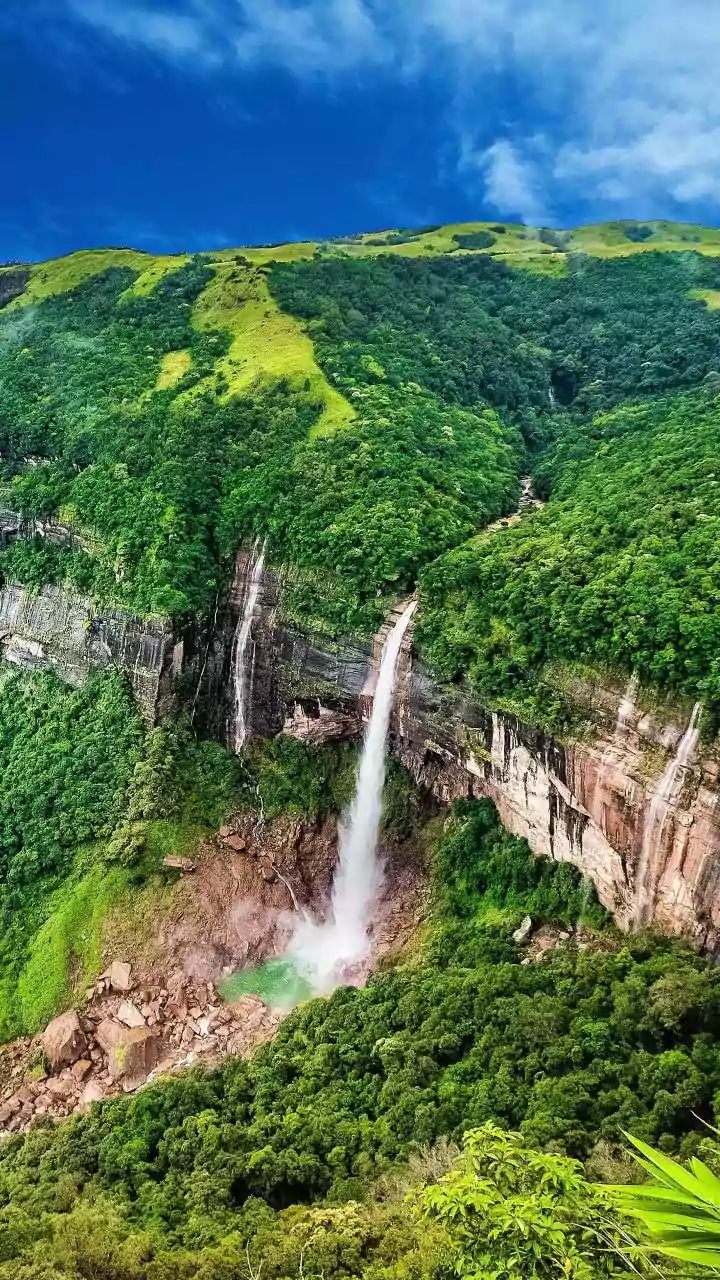
with a vibrant, almost neon, green. Waterfalls that are dormant for most of the year suddenly burst forth from hillsides, creating a stunning visual symphony. The air is cool and thick with the smell of wet earth. Key attractions like the mighty Randha Falls, formed by the Pravara River plunging into a gorge, are at their most powerful. The famous Umbrella Falls makes its seasonal appearance, a unique phenomenon created when the Wilson Dam overflows, forming a beautiful umbrella-shaped cascade that is a delight for visitors. Arthur Lake, the vast reservoir, is filled to the brim, its calm waters reflecting the dramatic monsoon sky. This is Bhandardara at its most cinematic and wild.
Navigating Treacherous Roads
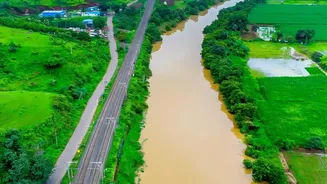
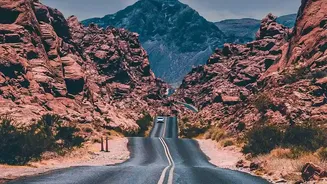
The journey to this paradise, however, is fraught with challenges that demand respect and careful planning. The roads leading to and within Bhandardara, particularly the ghat sections, become notoriously slippery during the rains. Continuous downpours can lead to patches of mud and eroded tarmac, making driving hazardous, especially for those unfamiliar with the terrain. These roads are often narrow, and the surge in weekend tourist traffic frequently leads to significant congestion and standstills. For bikers, the thrill of a monsoon ride comes with the serious risk of skidding on slick corners. Local authorities often issue advisories, and it's crucial to heed them. Many experienced travellers recommend hiring a local driver who is accustomed to the ghats' monsoon temperament. If you choose to drive, ensure your vehicle's tyres, brakes, and wipers are in excellent condition. The cardinal rule is to drive slowly, maintain a safe distance, and avoid any sudden manoeuvres.
The Magic and Menace of Fog
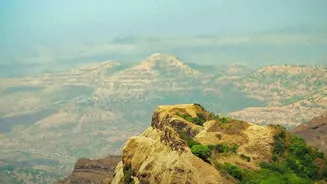
As if slippery roads weren't enough, Bhandardara's monsoon experience is defined by another unpredictable element: fog. The elevation, combined with high humidity, means that dense fog can roll in without warning, especially in the afternoons and evenings. Visibility can drop from clear to near-zero in a matter of seconds, turning a scenic drive into a tense, nerve-wracking crawl. This is particularly dangerous in the ghats, where sharp turns and steep drops are hidden by the thick white veil. Travelling after dark is strongly discouraged. If you find yourself caught in sudden fog, the safest course of action is to pull over to a safe spot, turn on your hazard lights, and wait for it to clear. Trying to push through with low visibility is a risk that is simply not worth taking.
On-the-Ground Safety Pointers
The risks don't end once you've parked your car. The monsoon swells rivers and waterfalls, creating powerful currents. Authorities frequently warn tourists to avoid venturing too close to the edge of overflowing dams or the base of powerful waterfalls for selfies, as the ground can be unstable and slippery. Treks that are popular in other seasons, like the one to Kalsubai Peak, become much more challenging and require appropriate gear and caution. Some trekking routes, like in the Sandhan Valley, are often officially closed during the monsoon due to the risk of flash floods and rockfalls. Furthermore, mobile network coverage can be patchy in the region, so it is wise to inform family or friends of your itinerary beforehand. Always prioritise designated viewing platforms and well-trodden paths over risky shortcuts for a better view.
Your Safe Bhandardara Checklist
To enjoy the beauty without the peril, preparation is key. First, always check the latest weather forecasts and local advisories before you leave. Heavy rainfall can trigger landslides or road closures. Plan your travel to avoid peak weekend hours if possible, and aim to reach your destination well before late afternoon to avoid the densest fog. Pack appropriately: waterproof jackets, quick-dry clothing, and footwear with excellent grip are non-negotiable. Carry a first-aid kit, insect repellent, and a waterproof pouch for your electronics. An overnight stay is highly recommended over a day trip, as it prevents the need to navigate the dangerous roads in fading light. By respecting the conditions and planning ahead, you can ensure your trip is memorable for all the right reasons.