





What Is the Core Problem?
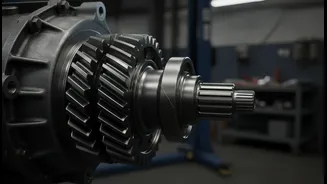
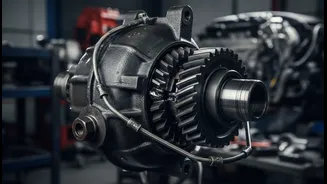
The recall, filed with the National Highway Traffic Safety Administration (NHTSA), targets a potentially faulty rear differential pinion shaft in certain Mustang Mach-E models. This component is crucial for transferring power from the electric motor to the wheels.
According to the recall notice, this shaft can bend, fracture, or break entirely due to what engineers have identified as "bending fatigue." If the shaft fails while driving, the result is an immediate loss of motive power, which could increase the risk of a crash. The vehicle would essentially be stranded. Ford has stated that it is still investigating the root cause of the fatigue.
Which Mach-E Models Are Affected?
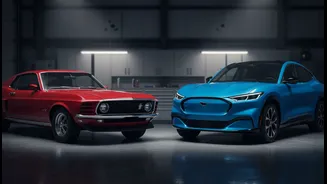
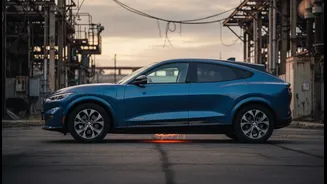
The recall covers 42,784 Mustang Mach-E vehicles from the 2021, 2022, and 2023 model years. Crucially, it only applies to vehicles with a rear-wheel-drive (RWD) drivetrain; all-wheel-drive (AWD) models are not included in this specific action. Ford has noted that the affected vehicles were not produced in sequential VIN order, so owners cannot assume their vehicle is safe simply based on its manufacturing date. The automaker is advising all owners of 2021-2023 RWD Mach-E models to check if their specific vehicle is part of the recall by using the NHTSA recall lookup tool or contacting a dealer.
Understanding the 'Parked Movement' Risk
The same defect causing the loss of power also creates a second significant safety hazard. If the pinion shaft fractures, it can prevent the vehicle's parking mechanism from engaging properly. This means that if a driver shifts the vehicle into Park and does not also engage the electronic parking brake, the vehicle could roll away unexpectedly. This specific risk of unintended movement has been a key focus of the recall notice. Ford is strongly urging all owners to make a habit of using the electronic parking brake every time they park until the recall repair can be completed.
Ford's Plan and What Owners Should Do
Ford has begun notifying dealers and will be sending interim notification letters to owners starting around July 13, 2026. A second letter will be sent once the final remedy is available. The fix involves dealers inspecting the rear differential assembly. Depending on the findings, technicians will either repair or replace the entire rear differential unit free of charge, installing a more robust component. However, there may be a significant wait. Final recall letters and the availability of parts are not expected until late December 2026. In the meantime, owners can contact Ford's customer service with their vehicle's VIN to verify if they are affected. Ford has stated it is not aware of any accidents or injuries related to this issue.
Context in a Competitive EV Market
This recall is another challenge for Ford as it competes in the crowded EV market. The Mustang Mach-E has been a key part of its electric strategy, but has faced several recalls since its launch. While recalls are common across the auto industry, including for both gasoline and electric vehicles, they can impact consumer confidence. Ford has stated that its high number of recalls reflects a proactive approach to safety and quality control. How quickly and effectively the company addresses this latest issue for nearly 43,000 vehicles will be closely watched by customers and investors alike, especially as it seeks to solidify its reputation as a leader in the transition to electric mobility.