






An Unprecedented Demand for Power
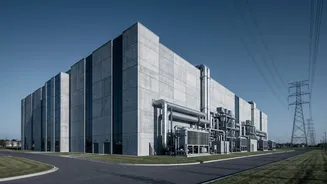
India is in the midst of a data centre construction boom, driven by a convergence of factors: massive internet user growth, data localisation policies, and, most significantly, the explosive adoption of artificial intelligence. This has led to a dramatic
increase in data centre capacity, which has grown over fourfold since 2020. Projections show this growth accelerating, with capacity expected to surge from around 1.5 gigawatts (GW) today to as high as 10 GW or more by 2030. This expansion is directly tied to AI. Unlike traditional computing, AI workloads, especially for training complex models, require immense processing power, which in turn consumes vast amounts of electricity.
Why AI Is So Energy-Intensive
At the heart of the issue is the hardware. AI applications run on specialised processors, primarily Graphics Processing Units (GPUs), which are organised into dense 'racks'. A traditional server rack might draw 5-10 kilowatts (kW) of power, but a single rack designed for AI can consume over 120 kW. This means new AI-focused data centres have a power density that is orders of magnitude higher than their predecessors. As a result, the electricity consumption of data centres in India is projected to rise from less than 1% of the national total to around 3% by 2030, a significant jump that puts immense pressure on the grid.
The Grid Under Strain
This concentrated power demand presents a major challenge for India's electricity infrastructure. Power is now seen as the single biggest constraint on data centre growth, more so than land or capital. Securing a reliable connection to the high-voltage grid for a new hyperscale facility can take 12 to 24 months, often longer than the construction of the building itself. The Central Electricity Authority estimates that data centres will require an additional 26.3 GW of power capacity by 2031-32. This surge not only tests the grid's capacity but also its stability, particularly in a system that is still heavily reliant on coal and managing the intermittency of renewables.
A Push Towards Greener Solutions
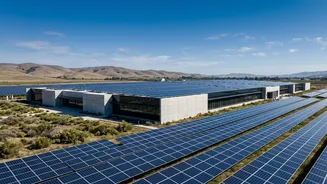
In response to both the energy challenge and growing sustainability mandates, the industry is making a concerted push towards renewable energy. Major tech giants like Google, Amazon, and Meta are signing long-term power purchase agreements (PPAs) to source wind and solar power for their Indian data centres. This is driving significant investment in clean energy, with one forecast suggesting the renewable capacity needed for data centres could double to 32.4 GW by 2030. Beyond renewables, companies are also exploring more efficient cooling technologies, like liquid cooling, and on-site energy storage solutions to ensure the 99.999% uptime required for top-tier facilities.
The Road Ahead: Balancing Ambition and Reality
The rapid expansion of AI is reshaping data centres from simple storage facilities into strategic national infrastructure. However, the path forward requires a delicate balancing act. State governments are creating policies to attract investment, but some are also introducing mandates for green energy use. While the government has voiced support for powering this growth with green energy, ensuring a round-the-clock, reliable supply from intermittent sources like solar remains a tall order. Success will depend not just on building more data centres, but on simultaneously upgrading the national grid and accelerating the transition to sustainable, dependable power sources to fuel India's digital ambitions.