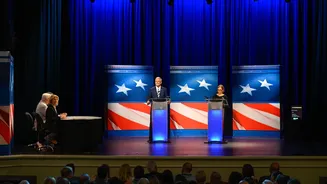





The dust has settled on the 2026 US midterm elections, and the results signal a significant power shift in Washington. With the Democratic Party securing control of both the House and Senate, the legislative agenda for the next two years will change.
A New Power Dynamic in Washington
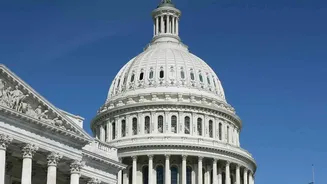
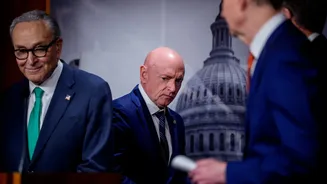
In a decisive outcome, American voters handed majorities in both the House of Representatives and the Senate to the Democratic Party. Political analysts suggest this was driven by voter frustration over economic anxieties and a desire for a greater check on presidential power. This shift from a Republican-held Congress sets the stage for a different approach to policy, including international trade. While the White House's executive authority remains, a Democratic-led Congress will now have significant oversight powers, including the ability to hold hearings, scrutinize policy, and control funding.
The Future of the India-US Trade Deal
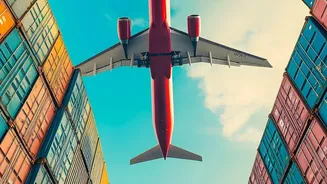
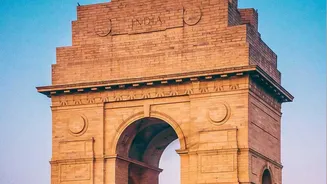
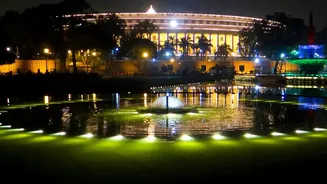
A key area of focus is the pending India-US trade agreement. A framework was announced in February 2026, which involved India reducing tariffs on various American goods in exchange for a lower reciprocal tariff rate from the US. With a new Congress, the dynamics could change. Some experts believe a Democratic majority may give India more room to negotiate a balanced deal, as Democrats are expected to increase scrutiny of the administration's aggressive tariff strategies. However, others caution that protectionist sentiments have become bipartisan in the US, with many Democrats also favouring measures to protect local workers and industries. Therefore, a complete rollback of a protectionist stance is considered unlikely. The pressure on India to finalize a deal to give the administration a foreign policy win may even intensify.
Tariffs, Technology, and Talent
For India’s booming technology sector, the new Congress brings both opportunities and lingering questions. The H-1B visa program, crucial for Indian tech professionals, will be a key issue. A Democratic-led Congress is expected to bring greater scrutiny to recent restrictive immigration policies, which could benefit Indian professionals and businesses. However, repealing executive actions on visas is not straightforward and would face political hurdles. On the trade front, while Democrats may challenge the economic impact of tariffs on US businesses, their historical concerns about market access in India mean that trade friction won't disappear. Cooperation in technology and supply chain resilience is an area with broad bipartisan support, but India will still need to negotiate for access to sensitive American technologies.
Strategic Interests and Key Players
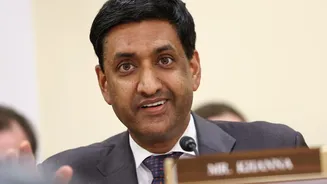
The India-US relationship is built on a strong foundation of shared strategic interests, particularly in the Indo-Pacific. This broader alignment has enjoyed bipartisan support for years and is unlikely to change. Key figures in Congress, especially within the growing 'Samosa Caucus' of Indian-American lawmakers, will continue to champion the partnership. Representatives like Ami Bera, Ro Khanna, and Pramila Jayapal are influential voices on foreign affairs, technology, and immigration, and their roles will be amplified in the new majority. While the overall defence and strategic cooperation is expected to remain robust, a Democratic Congress may increase oversight on issues like sanctions related to India's energy imports from Russia.