








The ‘Why’: From SEZ to DESH
For years, Special Economic Zones (SEZs) operated under a simple premise: produce goods within a designated duty-free enclave and export them. The SEZ Act of 2005 was built around this export-only model, requiring units to be net foreign exchange positive.
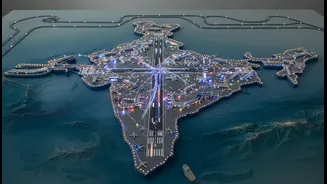
However, with global trade dynamics shifting and the original tax benefits sunsetting, these zones began losing their sheen. This prompted a fundamental rethink, leading to the proposed Development of Enterprise and Service Hubs (DESH) Bill. While the bill itself has been stalled, the government is moving forward with reforms through other means, creating what many are calling 'SEZ 2.0'. The core idea is to transform these isolated export islands into vibrant, integrated economic hubs that serve both international and domestic markets, making them compliant with World Trade Organization (WTO) rules by delinking incentives from export performance.
Short-Term Changes: Immediate Flexibility
The most immediate changes are focused on providing operational relief and flexibility. A key reform, introduced on a temporary basis, allows SEZ units to sell their products in the Domestic Tariff Area (DTA), or the Indian domestic market, by paying a concessional duty. This is a major departure from the old regime where such sales attracted full import duties, making them uncompetitive. This move helps companies clear excess inventory and tap into India's vast consumer base, a crucial lifeline amid global economic uncertainties. Furthermore, the government has been reviewing procedural hurdles and operational challenges to improve the ease of doing business within the zones. A government committee formed in March 2026 is expected to soon submit recommendations for such immediate reforms based on extensive stakeholder consultations.
Medium-Term Goals: Attracting New Investment
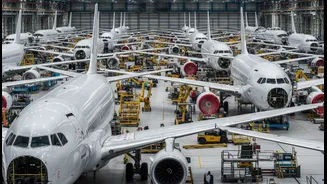
In the medium term, the focus shifts to making the zones more attractive for fresh investment. The review committee's mandate includes harmonising the SEZ policy with other export promotion schemes to create a more unified, less complex regulatory landscape. This could involve structural changes to the SEZ Act itself. Another significant move has been to make land acquisition more flexible. For instance, recent amendments have drastically reduced the minimum land requirement for setting up semiconductor and electronics SEZs, from 50 hectares down to 10. These reforms are designed to lower entry barriers for smaller firms and startups, not just large corporations. The goal is to evolve the SEZs from being purely manufacturing-focused to becoming dynamic hubs for services, logistics, and warehousing, deeply integrated with the domestic economy.
Long-Term Vision: Integrated Economic Cities
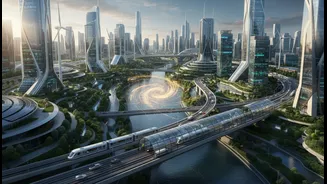
The long-term vision is the most ambitious: to transform these zones from industrial estates into holistic, self-sustaining economic cities. This means developing world-class infrastructure that supports not just factories but also residential, commercial, and social spaces. The idea is to create ecosystems where people can live, work, and innovate, similar to successful models in other parts of Asia. This long-range plan envisions SEZs as engines of structural economic transformation, shifting employment from agriculture to high-value manufacturing and services. The success of this vision depends on creating a stable, investment-friendly policy framework that encourages long-term capital expenditure in infrastructure and technology. The ultimate aim is to make these hubs central to India's goal of becoming a global manufacturing powerhouse and a five-trillion-dollar economy.
Challenges on the Horizon
This ambitious overhaul is not without its challenges. One major concern is ensuring a level playing field between SEZ units and companies in the domestic tariff area. As SEZs get easier access to the domestic market, there are fears it could hurt small and medium enterprises (MSMEs) that don't enjoy similar benefits. Policy experts have suggested safeguards, such as a list of products excluded from the concessional duty framework, to protect vulnerable domestic industries. Furthermore, there are complexities around jurisdiction, as the proposed DESH framework touches upon 'Industry', a subject under the authority of states, which could create confusion. Finally, making the long-term vision of integrated economic hubs a reality will require immense investment and seamless coordination between central and state governments.