


The Nutritional Power of Beetroot
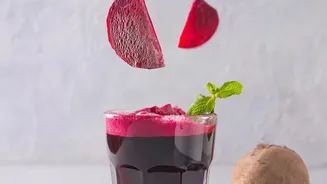
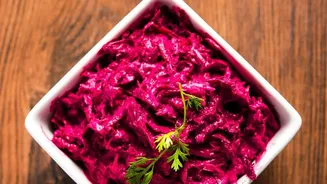
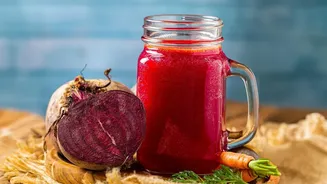
Before applying it to our hair, it’s worth understanding what beetroot contains. This root vegetable is packed with essential nutrients that are beneficial for overall health. It is a good source of folate, iron, potassium, and antioxidants like betalains,
which give it its deep red colour. It also contains Vitamin C, which is crucial for collagen production and absorbing iron. These components are the foundation for the many claims surrounding its benefits for hair, whether consumed or applied topically.
What It May Do: Add a Temporary Red Tint
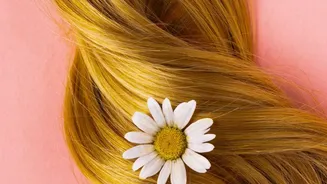
One of the most visible effects of a beetroot hair mask is its ability to impart a temporary colour. The strong natural pigments, called betalains, can stain the hair shaft, giving it a subtle reddish or burgundy hue. This effect is most noticeable on lighter hair colours, such as blonde or light brown, and may only appear as a slight sheen in direct sunlight on darker hair. The colour is not permanent and typically washes out after a few shampoos, making it a safe, chemical-free way to experiment with a hint of red without commitment.
What It May Do: Improve Scalp Health
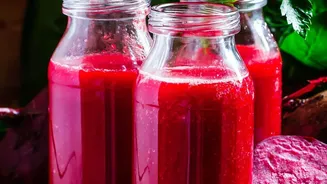
Beetroot possesses anti-inflammatory properties that can help soothe an irritated scalp. Some proponents suggest that applying beetroot juice can help reduce dandruff and flakiness. The nutrients in beetroot, such as potassium, may improve blood circulation in the scalp when massaged in. A healthier, well-nourished scalp provides a better environment for hair to grow. By reducing inflammation and removing dead skin cells, a beetroot mask can contribute to overall scalp hygiene.
What It May Do: Enhance Shine and Smoothness
A beetroot mask can act as a natural conditioner, leaving hair feeling smoother and looking shinier. The antioxidants present in beetroot can help protect hair from environmental damage, while its hydrating properties can moisturise dry strands. When mixed with other nourishing ingredients like yogurt or coconut oil, the mask's conditioning effects are amplified, resulting in softer, more manageable hair after rinsing.
What It Cannot Prove: Stop Significant Hair Fall
While many sources claim beetroot prevents hair loss, this needs context. Hair loss is a complex issue often linked to genetics, hormonal changes, or serious nutritional deficiencies. Beetroot is rich in iron, and iron deficiency is a known cause of hair loss. However, simply applying a beetroot mask is unlikely to reverse significant hair fall. For your body to absorb iron effectively to combat hair loss, it needs to be consumed as part of a balanced diet, not just applied topically. A mask might strengthen strands and reduce breakage, but it cannot cure the underlying cause of major hair loss.
What It Cannot Prove: Trigger Rapid Hair Growth
The claim that a beetroot mask will make your hair grow faster is largely unproven. Hair growth is determined by genetics and internal health. While improved blood circulation from massaging the scalp can support healthy follicle function, a beetroot mask itself is not a magic growth stimulant. The nutrients in the mask nourish the scalp, which is beneficial, but they do not fundamentally change your hair's natural growth cycle or speed. True hair growth promotion often requires addressing internal health and nutrition.
A Simple DIY Beetroot Hair Mask
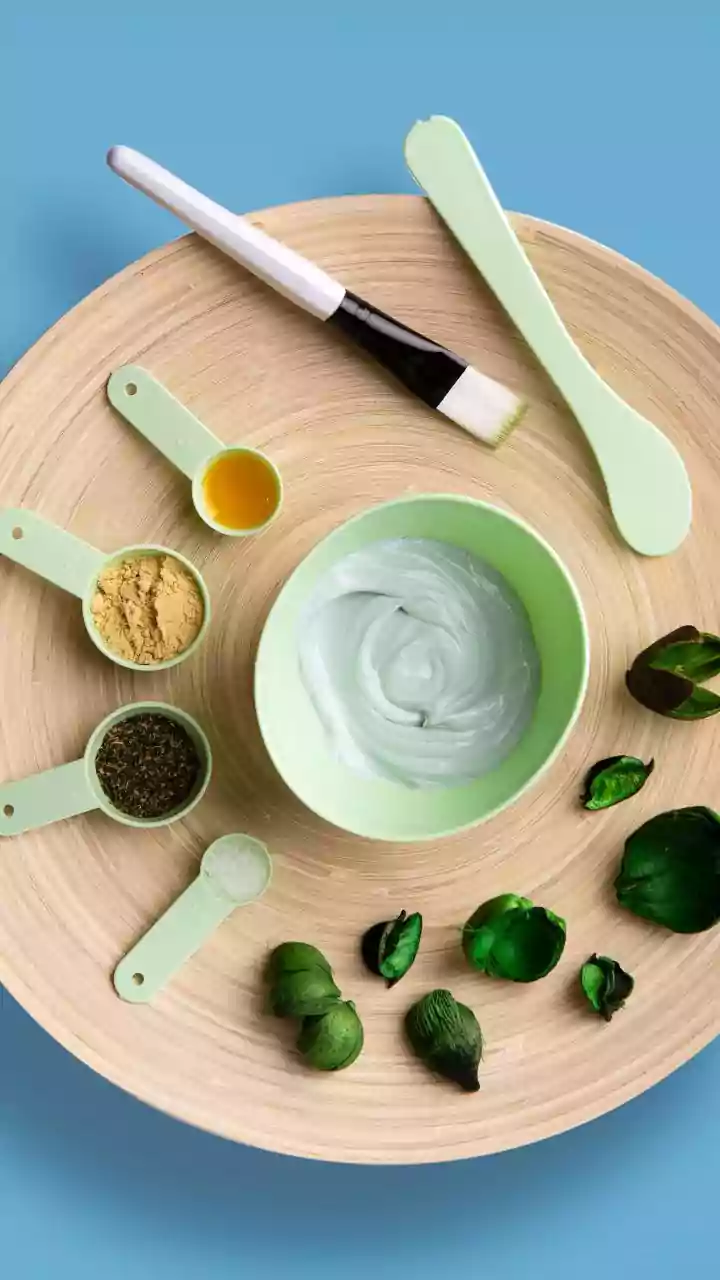
To try it for yourself, you can make a simple mask at home. Blend one medium-sized beetroot into a fine paste. Mix this with two tablespoons of a carrier like coconut oil or plain yogurt to create a smooth, applicable consistency. Apply the mixture evenly to your scalp and hair, paying special attention to the roots. To avoid staining, wear gloves and protect your clothing. Leave the mask on for 30-45 minutes before rinsing thoroughly with lukewarm water and a mild shampoo. Always do a patch test first to check for skin irritation or staining.