



The Serving Size Illusion
You’re in the supermarket, trying to make a healthy choice. You pick up a packet of baked snacks, glance at the label, and see “150 calories.” That seems reasonable. But here’s the catch: that number might only apply to a tiny handful of chips, not the whole
bag you’re likely to eat while watching a movie. This is the serving size illusion. Food manufacturers are required to list nutritional information, but the serving sizes they choose are often much smaller than what a person would typically consume in one sitting. By law, these sizes are supposed to be based on amounts people customarily eat, but they can still be misleading. This allows the calorie, sugar, and fat counts per serving to appear much lower and more appealing, creating a 'health halo' around a product that might be loaded with more than you bargained for.
Become a Food Label Detective
The first step to becoming a smarter consumer is to always look for two things first: the serving size and the number of servings per container. You'll find this information at the very top of the nutrition facts panel, which is mandatory on all packaged foods in India under FSSAI guidelines. Let’s take a common example: a 500ml bottle of a popular soft drink. The label might list 110 calories per serving, but define a serving as just 200ml. The bottle, therefore, contains 2.5 servings. If you drink the whole thing, which most people do, you’re not consuming 110 calories; you're consuming 275. Suddenly, that 'quick refreshment' carries a much heavier nutritional cost.
Do the Simple Math
Once you know the serving size and the servings per container, a little multiplication is all you need to get the real picture. If you plan to eat the entire package, simply multiply the calories, fat, sugar, and sodium by the number of servings listed. For example, if a package of instant noodles says it contains two servings and each serving has 380 calories, eating the whole block means you've consumed 760 calories. Many brands of biscuits or cookies often list the serving size as just one or two biscuits. Be honest with yourself about how many you’ll actually eat and calculate accordingly. This simple habit transforms the nutrition label from a marketing tool into a source of genuine information, empowering you to make a truly informed choice.
Common Culprits in Your Pantry
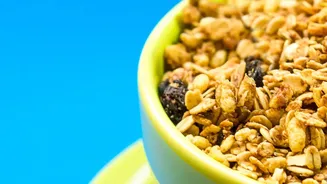
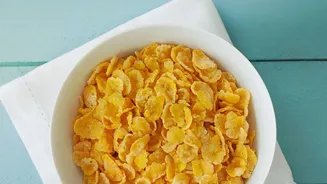
This isn't just about imported snacks; it’s a common practice with many everyday Indian products. Think about that packet of namkeen or bhujia. A small five-rupee pack might be listed as containing two servings. That box of breakfast cereal might suggest a serving size of 30g, but most bowls accommodate double or even triple that amount. Even items that seem like a single portion, such as a packaged muffin or a slice of cake, can be legally labelled as two or more servings, dramatically changing the calorie and sugar count. By being aware of these common examples, you can start to question the labels on the products you buy most frequently and adjust your understanding of their nutritional impact.
Look Beyond the Numbers to the Ingredients
While mastering serving sizes is crucial, it’s also wise to look at the ingredient list. In India, ingredients must be listed in descending order of quantity. If sugar, salt, maida (refined flour), or hydrogenated oils are among the first three ingredients, it’s a red flag, no matter how low the per-serving calorie count seems. A product can be low in calories per serving but still be made of highly processed ingredients with little nutritional value. A truly healthy food choice involves looking at the complete picture: realistic portions combined with quality, whole ingredients. Don't be swayed by attractive claims on the front of the box like 'natural' or 'low-fat'; the real story is always in the fine print on the back.