




A Nutritional Powerhouse Pairing
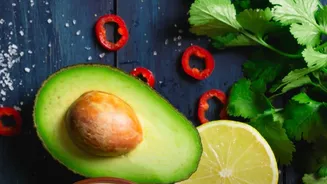
On their own, avocados and tomatoes are nutritional stars. Avocados are celebrated for their healthy monounsaturated fats, which are good for heart health. They are also packed with fibre, potassium, and nearly 20 vitamins and minerals. A single serving
provides a good dose of folate and vitamins K, C, and E.Tomatoes are famous for being a primary source of lycopene, a powerful antioxidant that gives them their red colour. Lycopene is linked to a reduced risk of certain chronic diseases. Tomatoes also offer significant amounts of vitamin C and potassium. The magic happens when you eat them together. The healthy fats in the avocado dramatically increase your body's ability to absorb the fat-soluble lycopene and vitamin A from the tomatoes, a concept known as food synergy. This means you get more antioxidant power from your meal simply by pairing these two foods.
Avocado: How Much Is the Right Amount?
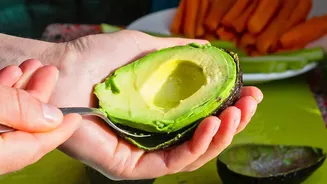
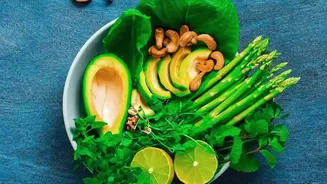
While avocados are full of 'good' fats, they are also calorie-dense. This is where portion control becomes crucial. The official recommended serving size is one-third of a medium-sized avocado, which is about 50 grams. This serving contains roughly 80 calories, 8 grams of fat, and 3 grams of fibre.Many people, however, eat half or even a whole avocado in one sitting. Half of a medium avocado contains about 120-130 calories, while a whole one can have anywhere from 240 to 320 calories, depending on its size. Enjoying a whole avocado daily can be part of a healthy diet, especially if you lead an active lifestyle, but it's essential to account for those calories within your daily total to avoid unintentional weight gain. For most people, sticking to a serving of one-third to one-half is a smart way to get the benefits without the excess calories.
Tomato Portions and Considerations
Tomatoes are much lower in calories than avocados, making portion sizes less of a concern for weight management. A medium-sized tomato is considered one serving of vegetables and is low in calories. A cup of cherry tomatoes offers similar benefits. The primary consideration with tomatoes is their acidity. For some individuals, especially those with acid reflux or sensitive stomachs, the citric and malic acid in tomatoes can cause discomfort or heartburn. This effect can be more pronounced with concentrated tomato products like sauces and pastes. If you are prone to acid reflux, you may want to monitor your intake of raw tomatoes and see how your body responds.
Smart and Simple Meal Ideas
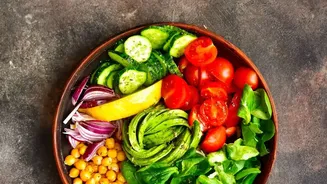
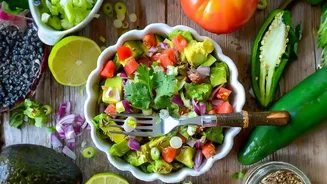
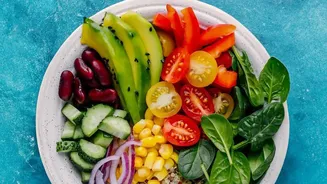
Incorporating balanced portions of avocado and tomato into your daily meals is simple. The goal is to use them to complement other nutrient-dense foods. For a classic breakfast, top one slice of whole-grain toast with one-third of a mashed avocado and one sliced medium tomato. For lunch, build a salad with a large base of leafy greens, add lean protein like grilled chicken, and top with half a chopped tomato and about a quarter of a sliced avocado. This adds healthy fats and flavour without turning the salad into a high-calorie meal. Another idea is a simple side salad of diced tomato, a quarter of a diced avocado, and a sprinkle of red onion with a lime-based dressing. These combinations keep you full and satisfied while delivering a wide range of nutrients.
Can You Have Too Much of a Good Thing?
Mindful enjoyment is key. The main drawback of overeating avocado is the high calorie count, which can contribute to weight gain if not balanced with overall energy expenditure. Additionally, for some people with sensitive digestive systems or Irritable Bowel Syndrome (IBS), the high fibre and specific carbohydrates (sorbitol) in avocados can cause bloating or discomfort when eaten in large quantities. As mentioned, the acidity of tomatoes can be an issue for those with GERD. Listening to your body's signals is the best way to determine the right amount for you. For most people without specific sensitivities, enjoying both foods daily in sensible portions is a healthy and delicious habit.